
 AI-generated
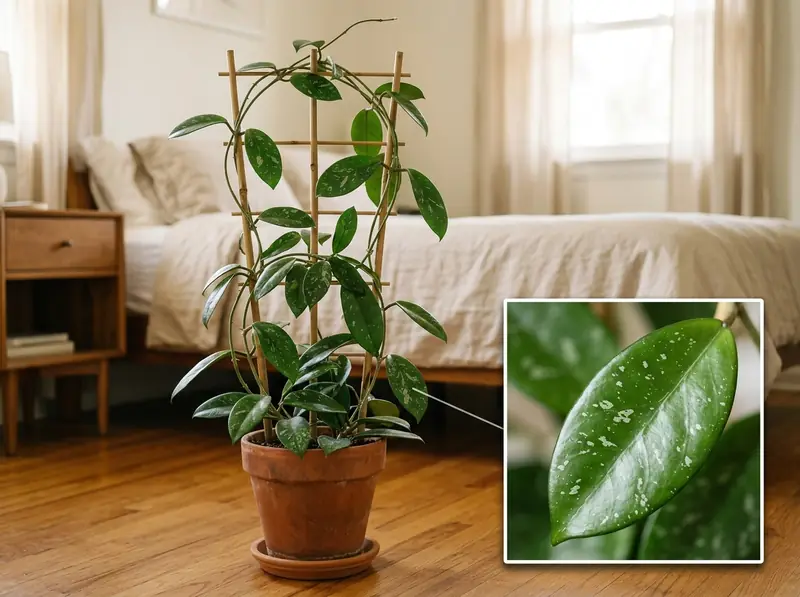
Parasitica Hoya
Hoya parasitica
Also known as Asclepias parasitica
Hoya parasitica is a variable, easygoing climbing hoya with glossy, sometimes silver-splashed leaves and clusters of fragrant flowers. It adapts well to normal home conditions. Provide a trellis and bright light to get it growing and flowering.
Saving is free with a KinClub account, and it works here and in the KinClub app. Sign up free
Care profile
- Light
- Bright, indirect lightLow → direct sun
- Water
- Dry to moderate wateringAbout every 9 days
- Difficulty
- EasyTricky → easy
- Coldest it tolerates
- 55°F
- Humidity
- Medium
- Mature size
- Medium to largeSmall → tree-size
- Growth rate
- Moderate
- How common
- EnthusiastRare → everywhere
- Plant family
- Apocynaceae
Pets and toxicity
Toxic to cats
Keep away from cats. Call your vet or a pet poison helpline if a cat chews it.
Toxic to dogs
Keep away from dogs. Call your vet or a pet poison helpline if a dog chews it.
Source: ASPCA toxic and non-toxic plants. If a pet eats any houseplant, call your vet or an animal poison helpline.
How to care for Parasitica Hoya
Light
Bright, indirect light is ideal, though it tolerates medium light and a little direct morning sun.
Watering
Water when the top inch or two of mix has dried, about every 8-10 days in summer and every 2-3 weeks in winter.
Soil
Chunky, fast-draining mix: roughly equal parts orchid bark, perlite and a little potting soil or coco coir. Roots need air around them.
Feeding
Feed every 3-4 weeks in spring and summer with a balanced fertilizer at half strength; skip it in winter. A bloom-booster with more phosphorus helps flowering.
Repotting
Repot only every 2-3 years, in spring, when roots fill the pot. Go up one size at most, since hoyas bloom best slightly rootbound.
Propagation
Take a 4-6 inch stem cutting with at least two nodes. Root it in water, moist perlite or sphagnum moss; roots appear in 3-6 weeks.
Common problems
- Yellowing from overwatering is the most common trouble. Water less and use a chunkier mix.
- Mealybugs on stems and leaf joints need weekly alcohol swabbing.
- Little growth in winter is normal. Hold back on water and fertilizer then.
Similar plants
Same light needs and difficulty.
 AI-generated
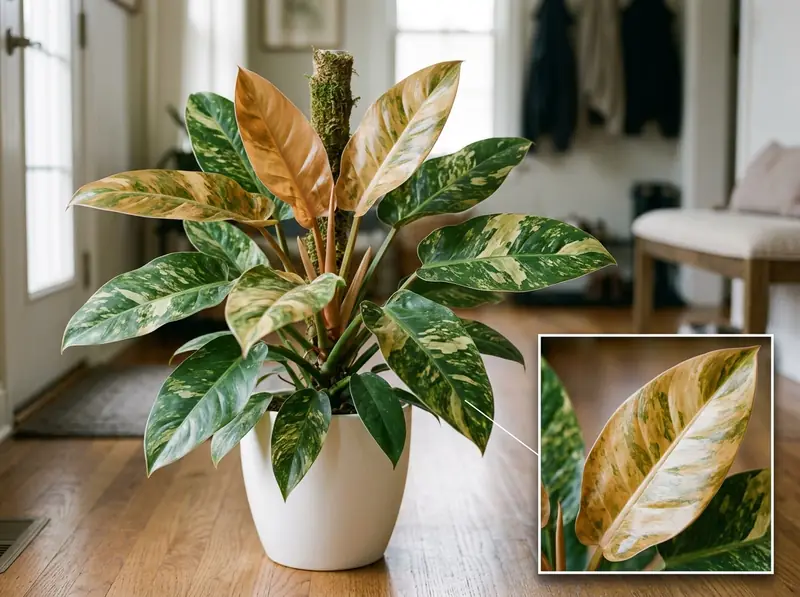
Caramel Marble Philodendron
Philodendron 'Caramel Marble'
- Bright, indirect light
- Moderate watering
Toxic to cats and dogs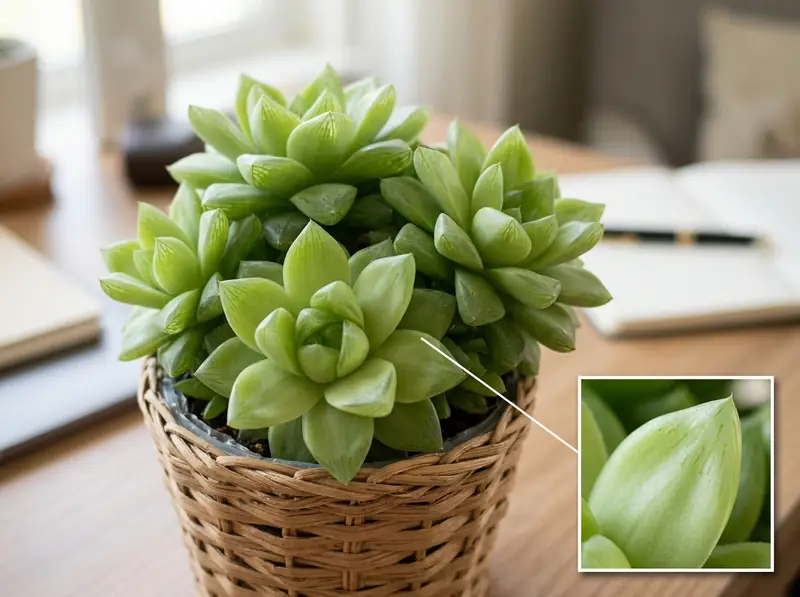 AI-generated
Cathedral Window Haworthia
Haworthia cymbiformis
- Bright, indirect light
- Let it dry out
Pets: not yet checked AI-generated
Chinese Money Plant
Pilea peperomioides
- Bright, indirect light
- Dry to moderate watering
Pets: not yet checked AI-generated
Christmas Cactus
Schlumbergera × buckleyi
- Bright, indirect light
- Moderate watering
Pets: not yet checked