
 AI-generated
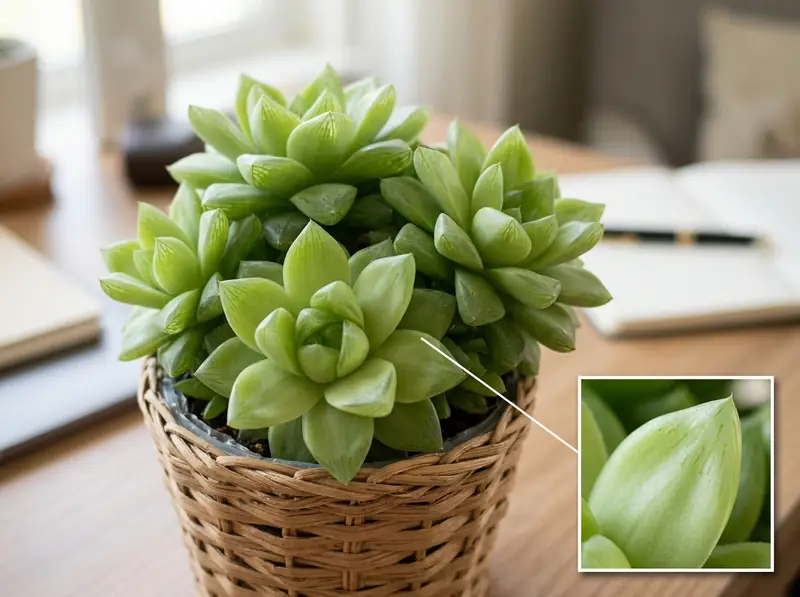
Cathedral Window Haworthia
Haworthia cymbiformis
Cathedral window haworthia has rounded, fleshy leaves with clear, glassy tips that look like little stained-glass panes. It spreads slowly into a clump of rosettes and is one of the easiest succulents for a desk or office window.
Saving is free with a KinClub account, and it works here and in the KinClub app. Sign up free
Care profile
- Light
- Bright, indirect lightLow → direct sun
- Water
- Let it dry outAbout every 14 days
- Difficulty
- EasyTricky → easy
- Coldest it tolerates
- 40°F
- Humidity
- Low
- Mature size
- SmallSmall → tree-size
- Growth rate
- Slow
- How common
- EnthusiastRare → everywhere
- Plant family
- Asphodelaceae
Pets and toxicity
Cats and dogs: not yet checked
Not yet checked against ASPCA — don't assume it's safe for pets.
Source: ASPCA toxic and non-toxic plants. If a pet eats any houseplant, call your vet or an animal poison helpline.
How to care for Cathedral Window Haworthia
Light
Bright indirect light is ideal, such as an east window or a few feet back from a south one. It handles lower light than most succulents, but direct afternoon sun scorches the clear leaf tips.
Watering
Soak the pot when the soil is completely dry, about every 2 weeks in spring and summer. Cut back to once every 4-6 weeks in winter, and keep water out of the rosette center.
Soil
Use a gritty cactus mix with extra pumice or perlite, in a shallow pot with a drainage hole. Plain potting soil holds too much moisture and invites root rot.
Feeding
Feed once a month in spring and summer with a cactus fertilizer at half strength, and stop in fall and winter.
Repotting
Repot every 2-3 years in spring as the clump spreads into a mound of rosettes. Move up only one size, since it prefers a snug pot.
Propagation
Pull off offsets with a few roots attached in spring, let them dry for a day, and pot in gritty mix. It clumps readily, so division is the easiest route.
Common problems
- Soft, translucent leaves and a dark base signal rot: stop watering, trim the rotted roots, and repot in dry gritty mix.
- Reddish or tan leaves mean too much sun: move it back from the glass or filter the light with a sheer curtain.
- Stretched, pale rosettes need more light, so move to a brighter window or add a grow light.
- Mealybugs hide between the leaves: dab with an alcohol-dipped swab and repeat weekly.
Similar plants
Same light needs and difficulty.
 AI-generated
 AI-generated
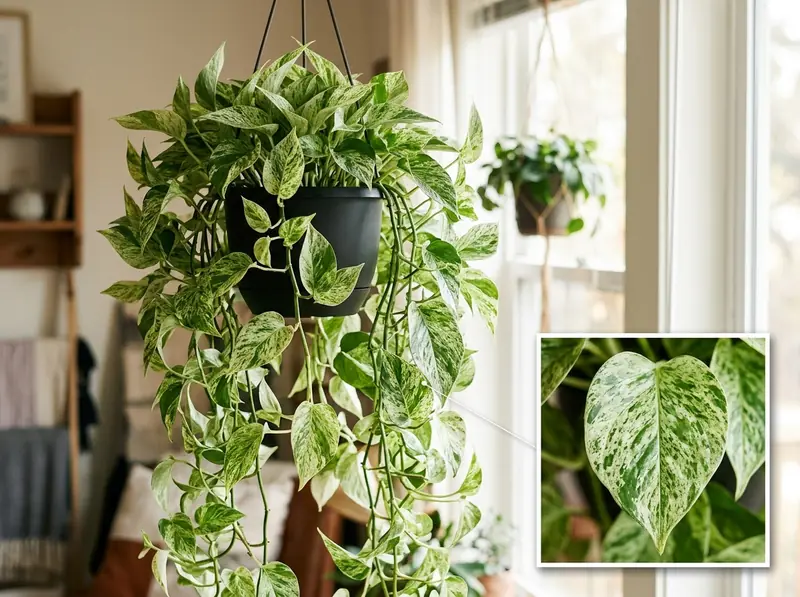
Marble Queen Pothos
Epipremnum aureum 'Marble Queen'
- Bright, indirect light
- Moderate watering
Toxic to cats and dogs AI-generated
Chinese Money Plant
Pilea peperomioides
- Bright, indirect light
- Dry to moderate watering
Pets: not yet checked AI-generated
Christmas Cactus
Schlumbergera × buckleyi
- Bright, indirect light
- Moderate watering
Pets: not yet checked