
 AI-generated
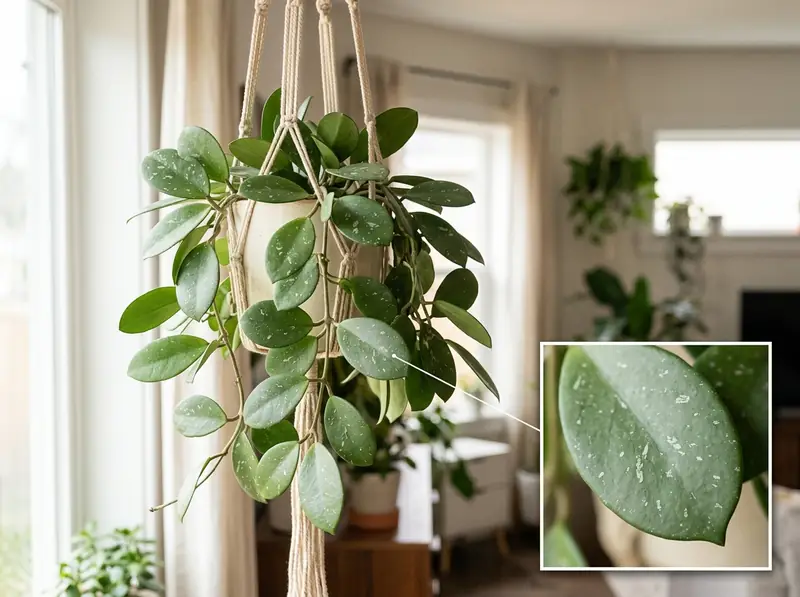
Patella Hoya
Hoya patella
Hoya patella is a slow-growing, succulent-leaved hoya with thick, fleshy leaves and showy flower clusters. Treat it a little like a succulent: bright light, gritty soil and infrequent watering.
Saving is free with a KinClub account, and it works here and in the KinClub app. Sign up free
Care profile
- Light
- Bright, indirect lightLow → direct sun
- Water
- Dry to moderate wateringAbout every 14 days
- Difficulty
- ModerateTricky → easy
- Coldest it tolerates
- 55°F
- Humidity
- Medium to high
- Mature size
- MediumSmall → tree-size
- Growth rate
- Slow to moderate
- How common
- EnthusiastRare → everywhere
- Plant family
- Apocynaceae
Pets and toxicity
Cats and dogs: not yet checked
Not yet checked against ASPCA — don't assume it's safe for pets.
No toxicity source on record for this plant yet. If a pet eats any houseplant, call your vet or an animal poison helpline.
How to care for Patella Hoya
Light
Bright, indirect light with a little gentle direct sun. The thick leaves handle brighter conditions than thin-leaved hoyas.
Watering
Let the mix dry almost completely, then water thoroughly, about every 2 weeks in summer and less in winter.
Soil
Gritty, fast-draining mix: orchid bark, perlite and pumice with only a bit of potting soil.
Feeding
Feed every 3-4 weeks in spring and summer with a balanced fertilizer at half strength; skip it in winter. A bloom-booster with more phosphorus helps flowering.
Repotting
Repot only every 3 years or when the roots fill the pot; it prefers being a bit snug.
Propagation
Stem cuttings with two or more nodes root slowly in a warm, bright spot in perlite. Expect 4-8 weeks or longer.
Common problems
- Rot from too much water is the usual killer. Unpot, trim brown roots and repot in dry gritty mix.
- Mealybugs hide where leaves meet the stem; treat with alcohol swabs.
- Slow growth is normal. Do not overwater or overfeed to speed it up.
Similar plants
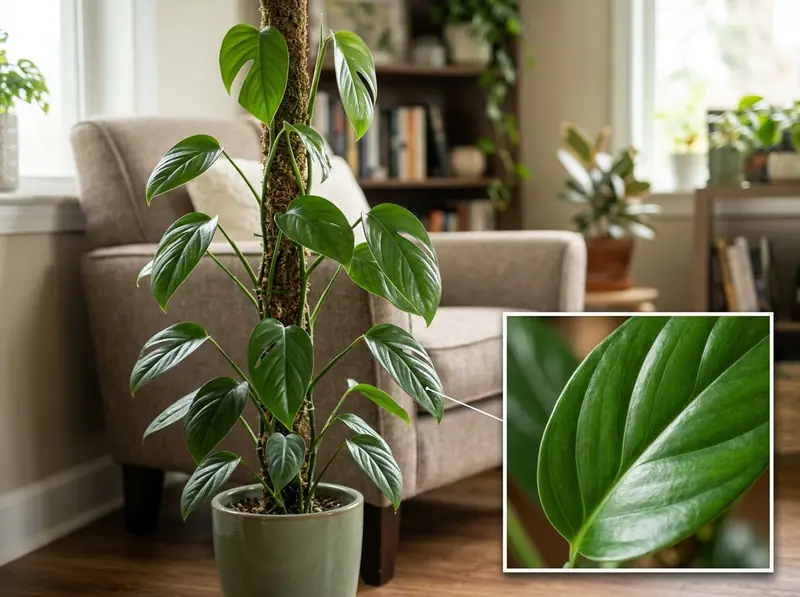
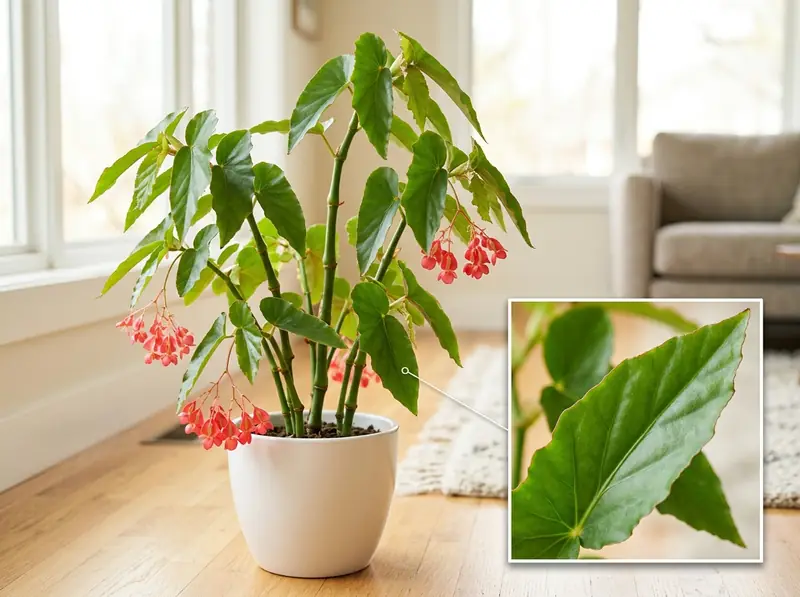
Same light needs and difficulty.
 AI-generated
 AI-generated
 AI-generated
 AI-generated