
 AI-generated
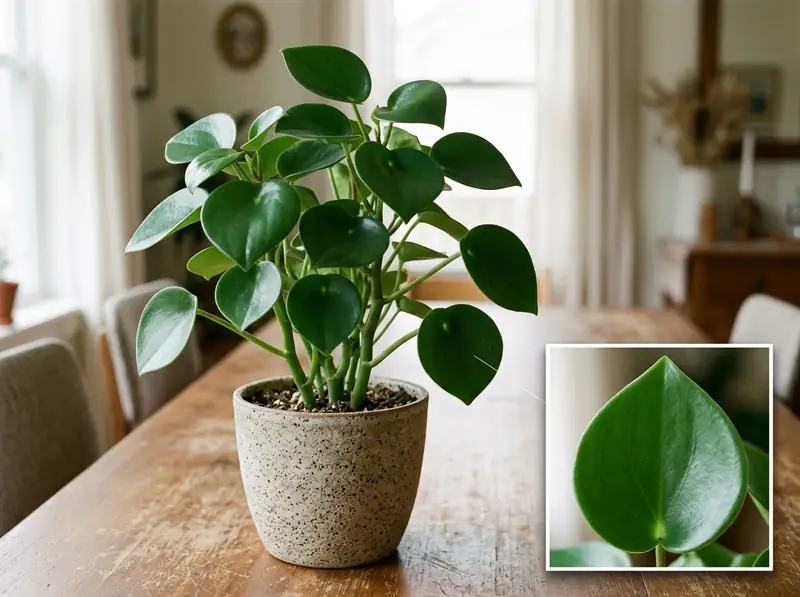
Raindrop Peperomia
Peperomia polybotrya
Raindrop peperomia has thick, glossy, heart-shaped leaves on short upright stems, forming a tidy compact plant. It is forgiving and happy in bright, indirect light, but rots if kept wet, so water only when the top inches of soil are dry. It suits a desk, shelf or bright windowsill.
Saving is free with a KinClub account, and it works here and in the KinClub app. Sign up free
Care profile
- Light
- Bright, indirect lightLow → direct sun
- Water
- Dry to moderate wateringAbout every 10 days
- Difficulty
- EasyTricky → easy
- Coldest it tolerates
- 50°F
- Humidity
- Medium
- Mature size
- SmallSmall → tree-size
- Growth rate
- Moderate
- How common
- Very commonRare → everywhere
- Plant family
- Piperaceae
Pets and toxicity
Cats and dogs: not yet checked
Not yet checked against ASPCA — don't assume it's safe for pets.
No toxicity source on record for this plant yet. If a pet eats any houseplant, call your vet or an animal poison helpline.
How to care for Raindrop Peperomia
Light
Give it bright, indirect light, such as a spot a few feet from an east or lightly shaded south window. It tolerates medium light but grows more slowly, and direct midday sun scorches the leaves.
Watering
Water thoroughly when the top 1 to 2 inches of soil are dry, about every 7 to 14 days in the growing season. Water less in winter, and empty the saucer after watering.
Soil
Use a light, airy mix, such as standard houseplant potting mix with about one-third perlite or orchid bark added. The pot must have drainage holes.
Feeding
From spring through summer, feed every 4 to 6 weeks with a balanced houseplant fertilizer diluted to half the label strength. Do not feed in winter.
Repotting
Repot only every 2 to 3 years, when roots fill the pot, and move up just one size (1 to 2 inches wider). Its small root system does best in a snug pot. Repot in spring.
Propagation
Take a stem cutting with 2 or 3 leaves, or a single leaf with a bit of stem. Root it in water or damp perlite-rich mix in bright light, and expect roots in 3 to 6 weeks.
Common problems
- Mushy stems and dropping leaves: usually overwatering or root rot. Let the soil dry, trim rotted parts, and repot in fresh, airy mix.
- Leggy, sparse growth: light is too low. Move closer to a bright window and pinch the tips to encourage branching.
- Wrinkled, soft leaves: the plant is thirsty. Water thoroughly and then keep to a steady schedule.
- Cottony white spots in leaf joints: mealybugs. Dab with rubbing alcohol on a cotton swab and repeat weekly until gone.
- Brown, crispy leaf edges: often very dry air or heat vents. Move away from heaters and vents.
Similar plants
Same light needs and difficulty.
 AI-generated
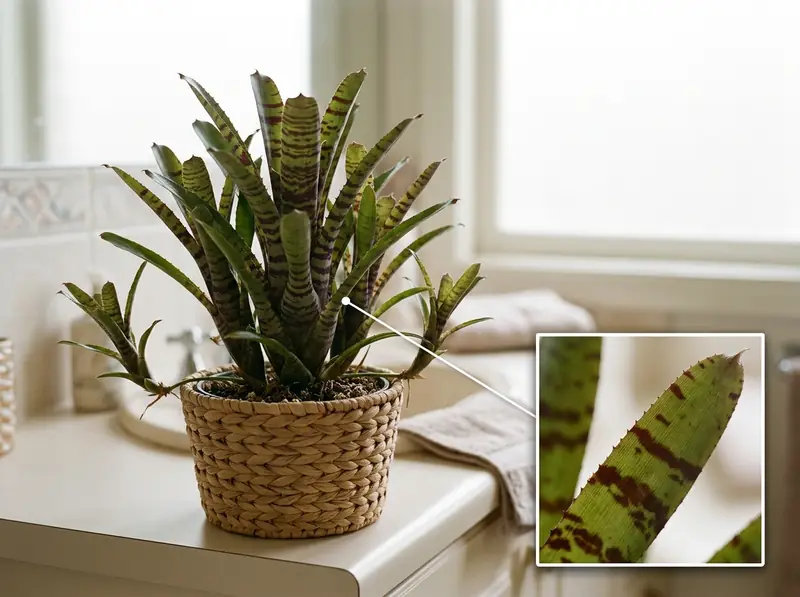
Ampullacea Bromeliad
Neoregelia ampullacea
- Bright, indirect light
- Dry to moderate watering
Pets: not yet checked AI-generated
 AI-generated
Chinese Money Plant
Pilea peperomioides
- Bright, indirect light
- Dry to moderate watering
Pets: not yet checked AI-generated
Christmas Cactus
Schlumbergera × buckleyi
- Bright, indirect light
- Moderate watering
Pets: not yet checked