
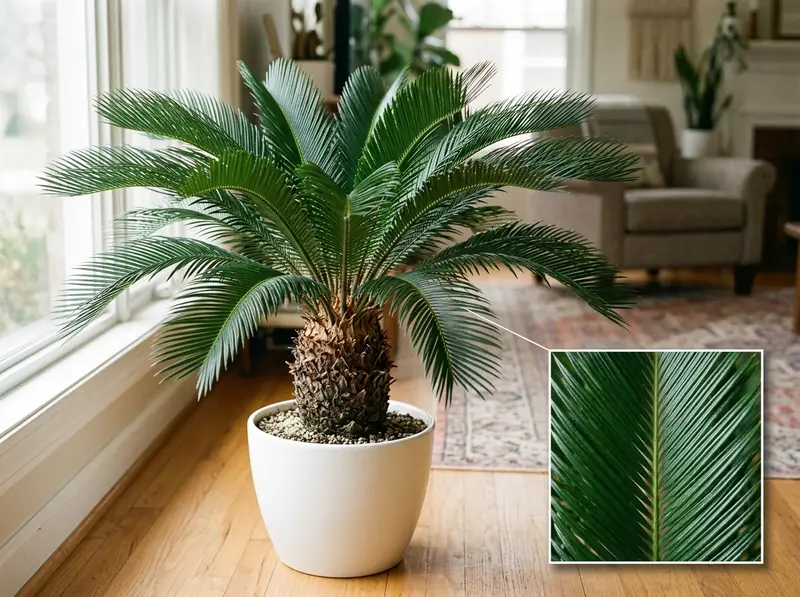
 AI-generated
Sago Palm
Cycas revoluta
Also known as Coontie Palm, Cardboard Palm, cycads and zamias
Sago palm is a slow-growing, cycad with a stiff, glossy, feather-like crown of fronds on a thick trunk that looks palm-like. It likes bright light and a gritty, fast-draining soil. Its main risk indoors is overwatering, so err on the dry side, especially in winter.
Saving is free with a KinClub account, and it works here and in the KinClub app. Sign up free
Care profile
- Light
- Bright, indirect lightLow → direct sun
- Water
- Let it dry outAbout every 14 days
- Difficulty
- ModerateTricky → easy
- Coldest it tolerates
- 30°F
- Humidity
- Low to medium
- Mature size
- Medium to largeSmall → tree-size
- Growth rate
- Slow
- How common
- Very commonRare → everywhere
- Plant family
- Cycadaceae
Pets and toxicity
Toxic to cats
Keep away from cats. Call your vet or a pet poison helpline if a cat chews it.
Toxic to dogs
Keep away from dogs. Call your vet or a pet poison helpline if a dog chews it.
Source: ASPCA toxic and non-toxic plants. If a pet eats any houseplant, call your vet or an animal poison helpline.
How to care for Sago Palm
Light
Give it bright light, ideally a few hours of gentle direct morning sun or a spot right by a bright window. It tolerates medium light but grows more slowly and becomes leggy.
Watering
Water thoroughly, then let the top 2 inches of soil dry before watering again, roughly every 10 to 14 days in summer. Cut back to every 3 to 4 weeks in winter, and always empty the saucer.
Soil
Use a fast-draining mix such as cactus and succulent soil, or potting mix blended with about one-third perlite or coarse sand. The pot must have drainage holes.
Feeding
Feed with a balanced houseplant fertilizer at half strength about once a month in spring and summer. Skip feeding in fall and winter.
Repotting
Repot only every 2 to 3 years, since it prefers a snug pot. Go up just 1 to 2 inches in pot diameter, in spring, and keep the trunk base sitting at or slightly above the soil line.
Propagation
Slow and difficult for home growers. Plants can be grown from seed, which takes months to germinate, or by carefully separating offsets (pups) from the base of the trunk and letting them callus before potting in gritty mix.
Common problems
- Yellowing lower fronds: often overwatering or poor drainage; let the soil dry out and check the trunk base for softness.
- Scale insects (brown bumps) on the fronds and crown: scrub off with a soft brush and rubbing alcohol, then treat with horticultural oil.
- Yellow, spotted or frizzled new growth: may be a manganese deficiency; use a palm fertilizer with micronutrients.
- Brown frond tips: usually from irregular watering or fertilizer build-up; water evenly and flush the soil occasionally.
- Soft, rotting trunk: usually from wet soil or planting too deep; it is often fatal, so prevent it by keeping the soil on the dry side.
Similar plants
Same light needs and difficulty.
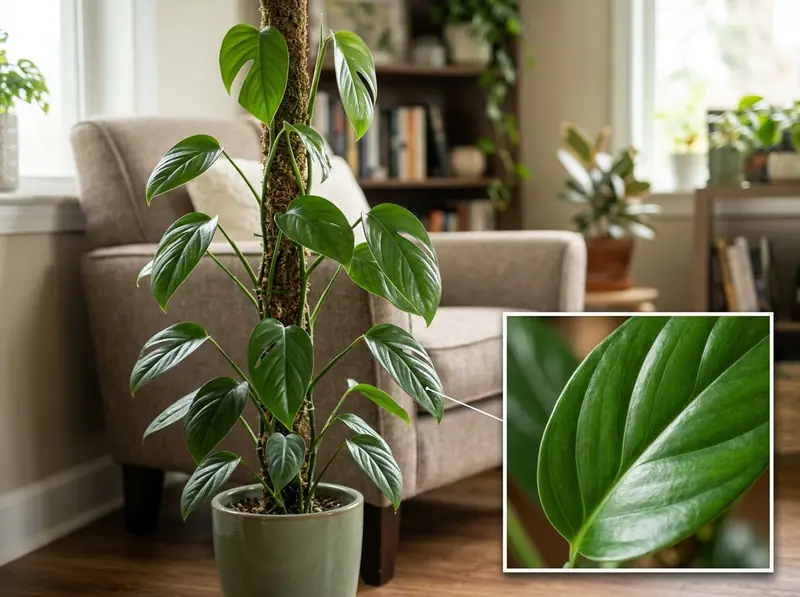 AI-generated
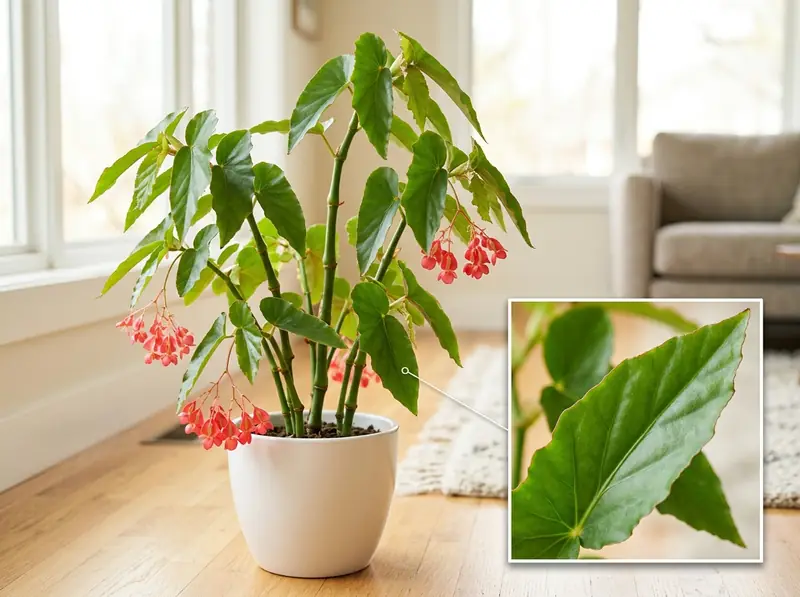 AI-generated
 AI-generated
 AI-generated