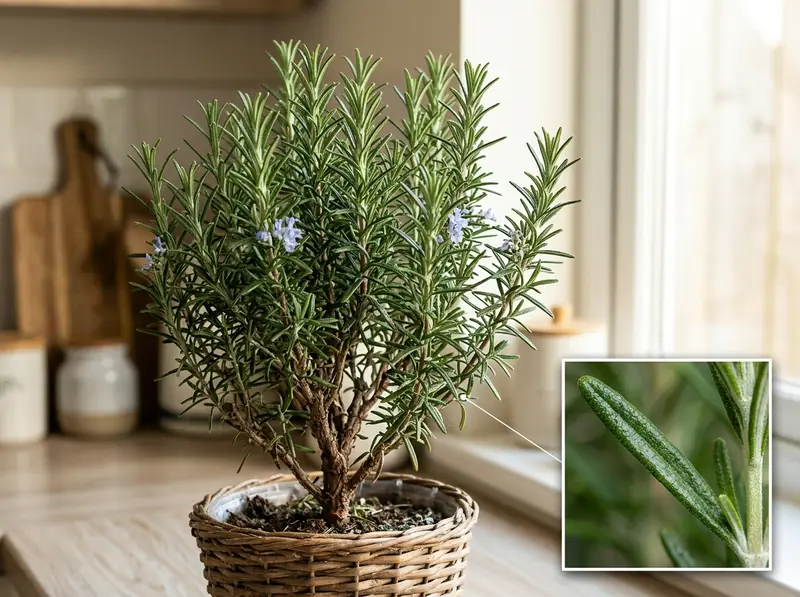
AI-generated image, not a photograph of this plant. Real plants look different depending on light, soil, temperature and age.
BromeliaceaeEnthusiast in stores
Sapphire Tower
Puya alpestris
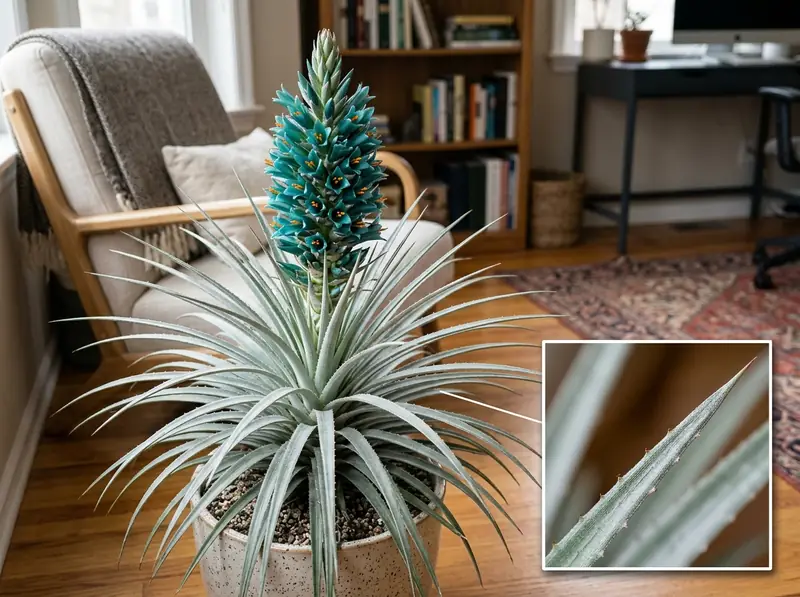
Sapphire Tower is a slow-growing, spiky rosette of silvery-green leaves that can eventually send up a spectacular flower spike with turquoise-blue blooms. It needs strong sun, gritty fast-draining soil and a cool, dry winter rest. It is a challenging, long-term plant that rewards patience.
Pets: not yet checked
💡
Saving is free with a KinClub account, and it works here and in the KinClub app. Sign up free
🪴 Care profile
Light
Direct sunLow → direct sun
Water
Let it dry outAbout every 14 days
Difficulty
Moderate to challengingTricky → easy
Coldest it tolerates
30°F
Humidity
Low
Mature size
LargeSmall → tree-size
Growth rate
Slow
How common
EnthusiastRare → everywhere
Plant family
Bromeliaceae
🐾 Pets and toxicity
Cats and dogs: not yet checked
Not yet checked against ASPCA — don't assume it's safe for pets.
No toxicity source on record for this plant yet. If a pet eats any houseplant, call your vet or an animal poison helpline.
🌿 How to care for Sapphire Tower
Light
Give it several hours of direct sun, ideally from a south or west window, or a bright spot with strong light. Turn the pot every few weeks so the rosette grows evenly.
Watering
Water thoroughly, then let the soil dry out almost completely before watering again, about every 2 weeks in summer. In winter water only about once a month or less.
Soil
Use a gritty cactus or succulent mix with extra perlite or pumice, in a pot with drainage holes. Terracotta helps the soil dry quickly.
Feeding
Feed with a half-strength balanced fertilizer once a month in spring and summer. Do not feed in autumn and winter.
Repotting
Repot only every 2-3 years in spring, when the plant outgrows its pot, going up just one size. Wear thick gloves, as the leaf edges have sharp spines.
Propagation
Hard at home. Offsets (pups) can be separated once they are a third the size of the parent, but most plants are grown from seed and take years to mature.
Common problems
Rotting base from overwatering: stop watering, let the soil dry, and repot into gritty mix, trimming any mushy tissue.
Stretched, floppy growth from too little light: move to a sunnier window or add a grow light.
Mealybugs or scale in the leaf bases: dab with rubbing alcohol on a cotton swab and repeat weekly.
No flowers: the plant may be young, as flowering often takes many years, and a cool winter rest with bright light helps.

 AI-generated
 AI-generated
 AI-generated
 AI-generated
 AI-generated