AI-generated image, not a photograph of this plant. Real plants look different depending on light, soil, temperature and age.
ApocynaceaeCommon in stores
Shooting Star Hoya
Hoya multiflora
Also known as Asclepias carnosa, Asclepias stellata
Shooting Star Hoya is a vining plant with narrow, wavy-edged leaves. When mature it produces clusters of small white, star-shaped flowers that hang down like fireworks. It likes bright light, an airy mix and only occasional watering, and it blooms best when slightly root-bound and left undisturbed.
Toxic to cats and dogs
💡
Saving is free with a KinClub account, and it works here and in the KinClub app. Sign up free
🪴 Care profile
Light
Bright, indirect lightLow → direct sun
Water
Dry to moderate wateringAbout every 10 days
Difficulty
ModerateTricky → easy
Coldest it tolerates
50°F
Humidity
Medium
Mature size
Medium to largeSmall → tree-size
Growth rate
Moderate to fast
How common
CommonRare → everywhere
Plant family
Apocynaceae
🐾 Pets and toxicity
Toxic to cats
Keep away from cats. Call your vet or a pet poison helpline if a cat chews it.
Toxic to dogs
Keep away from dogs. Call your vet or a pet poison helpline if a dog chews it.
Give it bright light, ideally a few hours of gentle morning sun from an east window or a spot near a south or west window with a sheer curtain. Bright light is needed for it to flower.
Watering
Water thoroughly when the top 1-2 inches of mix are dry and the leaves feel slightly less firm, about every 7-14 days in summer. Water less often in winter and let excess drain away completely.
Soil
Use a very airy, fast-draining mix, such as orchid bark, perlite and a little potting soil in roughly equal parts. Heavy, moisture-holding soil quickly rots the fine roots.
Feeding
Feed every 2-4 weeks in spring and summer with a balanced fertilizer at half the label strength, ideally one with a little extra potassium to support blooms. Skip feeding in winter.
Repotting
Hoyas like being snug in the pot, so repot only every 2-3 years or when roots fill the container. Move up just one size, into a pot with drainage holes, in spring.
Propagation
Take 4-6 inch stem cuttings with at least two nodes and 2-3 leaves. Root them in water, damp perlite or an airy mix in warm, bright conditions; roots usually form in 3-6 weeks.
Common problems
Buds drop before opening: this is usually caused by moving the plant, cold drafts or overwatering, so keep it in one spot and keep the soil on the dry side.
No flowers: usually not enough light or a very young plant, so move it to brighter light and leave old flower spurs in place.
Mealybugs in leaf joints: dab with cotton swabs dipped in rubbing alcohol and repeat weekly until clear.
Yellow, mushy leaves: overwatering or dense soil, so let the mix dry out, and repot into a chunkier mix if roots are rotting.
Wrinkled leaves: the plant is too dry or the roots have rotted, so check the roots and water thoroughly if they are healthy.

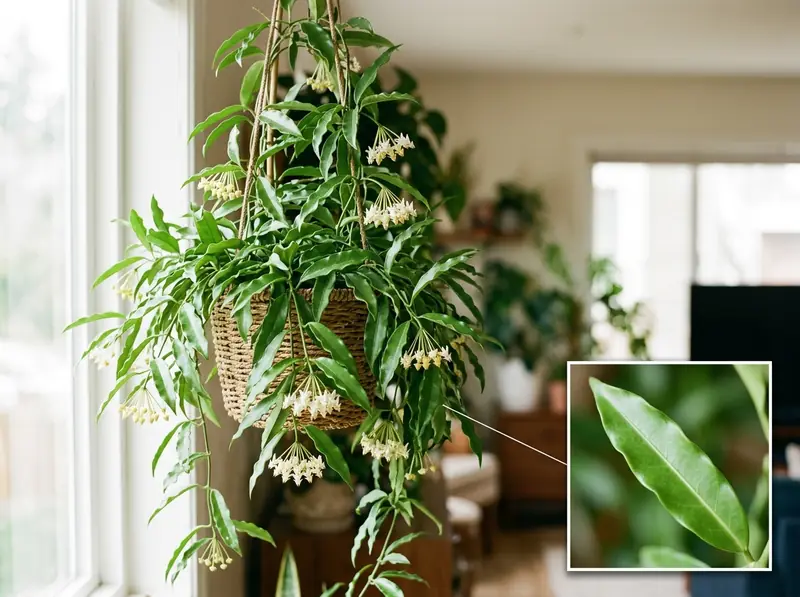 AI-generated
 AI-generated
 AI-generated
 AI-generated
 AI-generated