
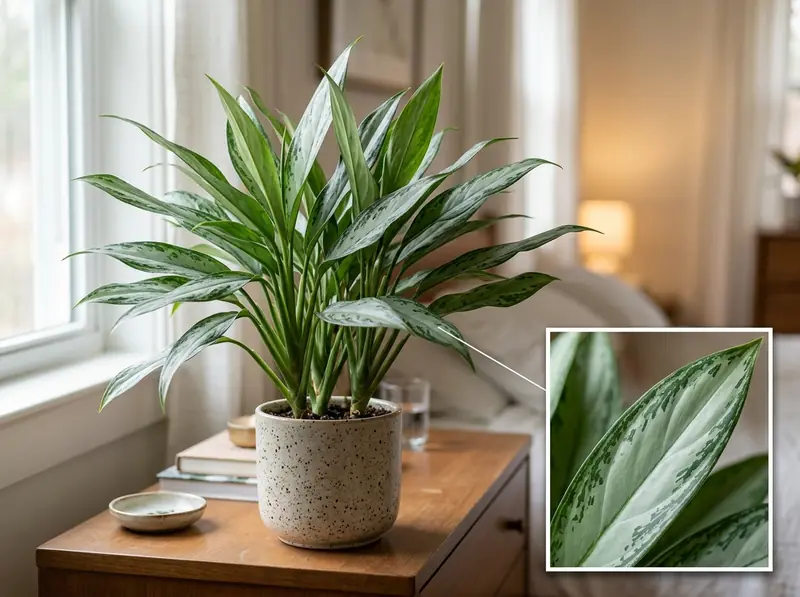
 AI-generated
Silver Queen Aglaonema
Aglaonema 'Silver Queen'
Silver Queen is a slow-growing foliage plant with long, silvery-green leaves, and it is one of the most forgiving choices for dim rooms. It does best with even moisture, warm temperatures above 60°F, and no direct sun. It usually stays about 2 to 3 feet tall indoors.
Saving is free with a KinClub account, and it works here and in the KinClub app. Sign up free
Care profile
- Light
- Low lightLow → direct sun
- Water
- Moderate wateringAbout every 10 days
- Difficulty
- EasyTricky → easy
- Coldest it tolerates
- 60°F
- Humidity
- Medium
- Mature size
- MediumSmall → tree-size
- Growth rate
- Slow
- How common
- CommonRare → everywhere
Pets and toxicity
Cats and dogs: not yet checked
Not yet checked against ASPCA — don't assume it's safe for pets.
No toxicity source on record for this plant yet. If a pet eats any houseplant, call your vet or an animal poison helpline.
How to care for Silver Queen Aglaonema
Light
Give it low to medium light, or bright indirect light a few feet from a window. It tolerates dim rooms better than most plants, but avoid direct sun, which scorches the leaves.
Watering
Water when the top 1 to 2 inches of soil feel dry, roughly every 7 to 12 days in spring and summer. Water until it drains from the bottom, empty the saucer, and water less in winter.
Soil
Use a light, well-draining potting mix, such as standard houseplant mix with a handful of perlite or bark added per few quarts. The pot must have drainage holes.
Feeding
Feed with a balanced houseplant fertilizer at half strength about once a month from spring through summer. Skip feeding in fall and winter.
Repotting
Repot every 2 to 3 years, or when roots circle the pot or poke out of the drainage holes. Move up only 1 to 2 inches in pot diameter, since it likes being slightly snug.
Propagation
Divide the clump at repotting, keeping roots on each section. You can also root 4 to 6 inch stem tip cuttings in water or moist mix in a warm spot, which takes several weeks.
Common problems
- Brown leaf tips: usually dry air, inconsistent watering, or tap water minerals. Water evenly and try filtered or settled water.
- Yellowing lower leaves: often overwatering. Let the soil dry in the top inch or two and check the roots for rot.
- Curled, browning leaves in winter: cold drafts. Move it away from windows and vents and keep it above 60°F.
- Cottony white spots or fine webbing: mealybugs or spider mites. Wipe leaves with rubbing alcohol on a cotton swab or spray with insecticidal soap, repeating weekly.
Similar plants
Same light needs and difficulty.
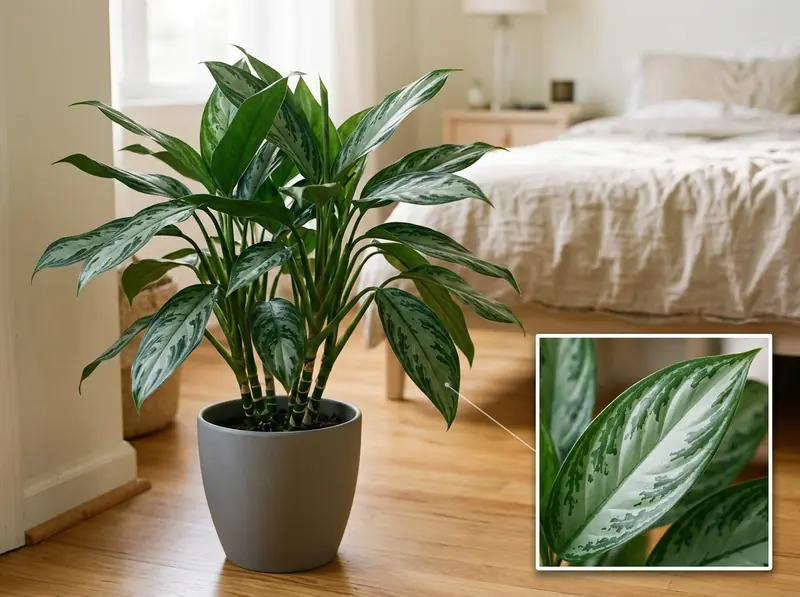 AI-generated
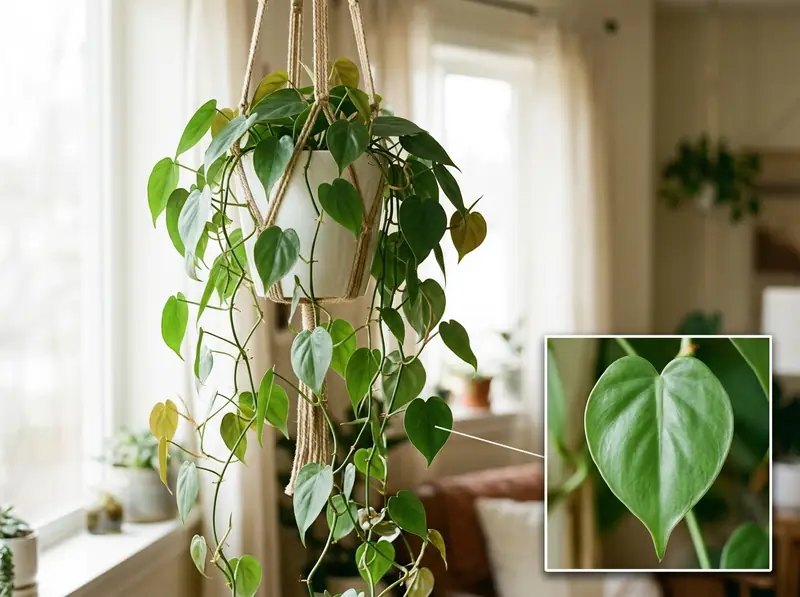 AI-generated
Heartleaf Philodendron
Philodendron hederaceum
- Low to medium light
- Moderate watering
Toxic to cats and dogs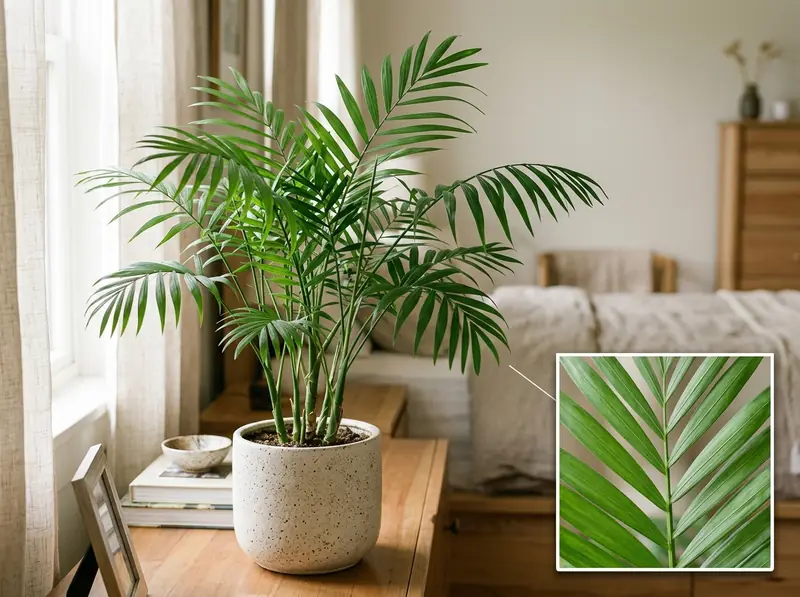 AI-generated
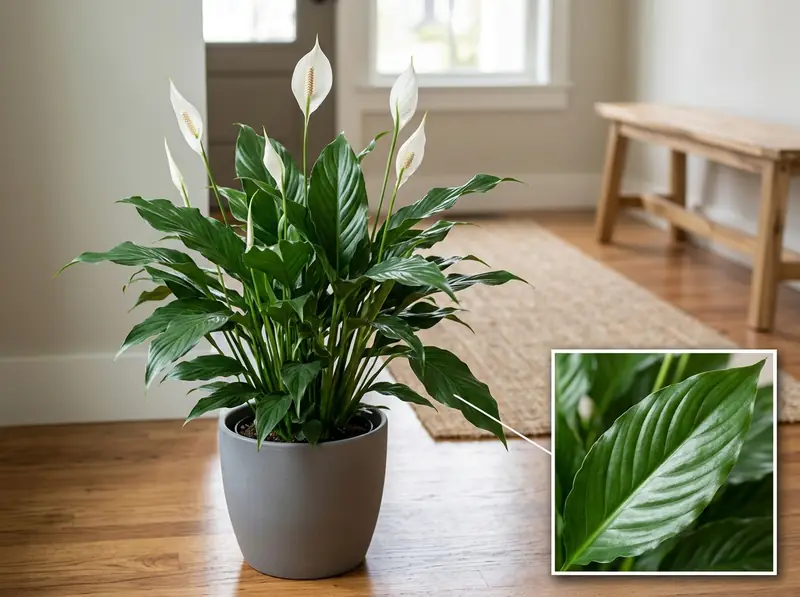 AI-generated
Peace Lily
Spathiphyllum wallisii
- Low to medium light
- Moderate to moist watering
Toxic to cats and dogs