
 AI-generated
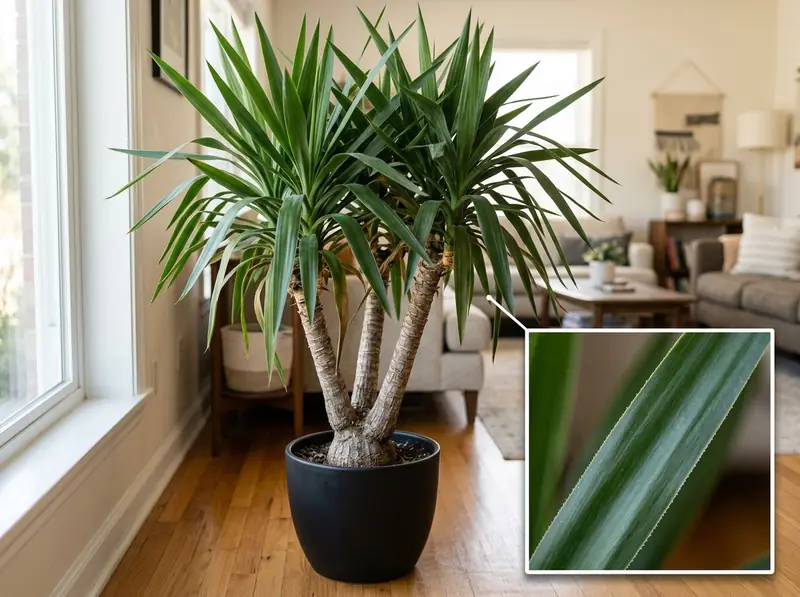
Spineless Yucca
Yucca elephantipes
Also known as Dracaena lennei, Dracaena yuccoides, Yucca eleana, Yucca ghiesbreghtii, Yucca guatemalensis, Yucca lenneana, Yucca mazelii, Yucca mooreana, Yucca roezlii
Spineless yucca is a tough, tree-like plant with a thick cane trunk topped with sword-shaped leaves, and it is forgiving for beginners. It likes bright light and a thorough soak only when the soil has dried well. It can reach the ceiling over time, but it grows slowly enough to stay manageable for years.
Saving is free with a KinClub account, and it works here and in the KinClub app. Sign up free
Care profile
- Light
- Bright, indirect to direct sunLow → direct sun
- Water
- Let it dry outAbout every 14 days
- Difficulty
- EasyTricky → easy
- Coldest it tolerates
- 40°F
- Humidity
- Low
- Mature size
- Tree-sizeSmall → tree-size
- Growth rate
- Slow to moderate
- How common
- Very commonRare → everywhere
- Plant family
- Asparagaceae
Pets and toxicity
Toxic to cats
Keep away from cats. Call your vet or a pet poison helpline if a cat chews it.
Toxic to dogs
Keep away from dogs. Call your vet or a pet poison helpline if a dog chews it.
Source: ASPCA toxic and non-toxic plants. If a pet eats any houseplant, call your vet or an animal poison helpline.
How to care for Spineless Yucca
Light
Give it a bright spot with several hours of sun, such as a south or west window, or bright indirect light. It tolerates medium light but grows slowly and sparsely there.
Watering
Water thoroughly when the top 2 to 3 inches of soil are dry, usually every 2 to 3 weeks in summer. Let the pot drain fully and water even less in winter, about every 3 to 5 weeks.
Soil
Use a fast-draining mix such as cactus or succulent soil, or regular potting mix with about one-third perlite or coarse sand. Always use a pot with drainage holes.
Feeding
Feed with a balanced houseplant fertiliser at half strength once a month in spring and summer. Skip feeding in fall and winter.
Repotting
Repot every 2 to 3 years in spring, moving up just 2 inches in pot diameter. Use a heavy, stable pot because tall plants can tip over.
Propagation
Cut a leafy stem top or a 6-inch section of cane in spring or summer. Let the cut end dry for a day or two, then plant it in gritty mix and keep it barely moist until it roots in 4 to 8 weeks.
Common problems
- Brown leaf tips: usually dry air, fluoride in tap water or irregular watering, so water evenly and use filtered water if it persists.
- Yellow lower leaves: natural ageing drops a few, but many at once means overwatering, so let the soil dry deeper between waterings.
- Soft, rotting trunk base: caused by wet soil, and this is hard to reverse. Cut healthy top sections and re-root them.
- Sticky leaves with white cottony or brown bumps: mealybugs or scale, so wipe with rubbing alcohol on a cotton swab and repeat weekly.
- Fine webbing and speckled leaves: spider mites, so rinse the foliage and wipe leaves, then repeat weekly.
Similar plants
Same light needs and difficulty.
 AI-generated
 AI-generated
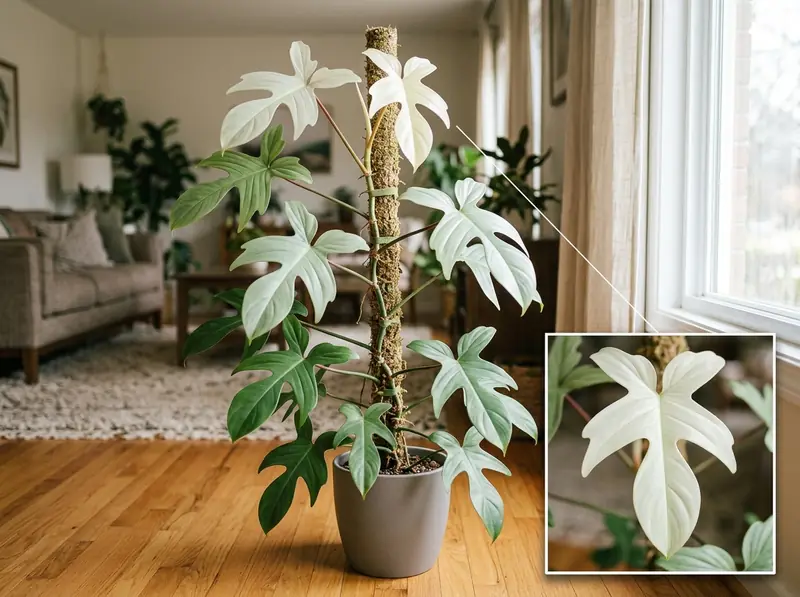
Florida Ghost Philodendron
Philodendron 'Florida Ghost'
- Bright, indirect light
- Moderate watering
Toxic to cats and dogs AI-generated
Chinese Money Plant
Pilea peperomioides
- Bright, indirect light
- Dry to moderate watering
Pets: not yet checked AI-generated
Christmas Cactus
Schlumbergera × buckleyi
- Bright, indirect light
- Moderate watering
Pets: not yet checked