
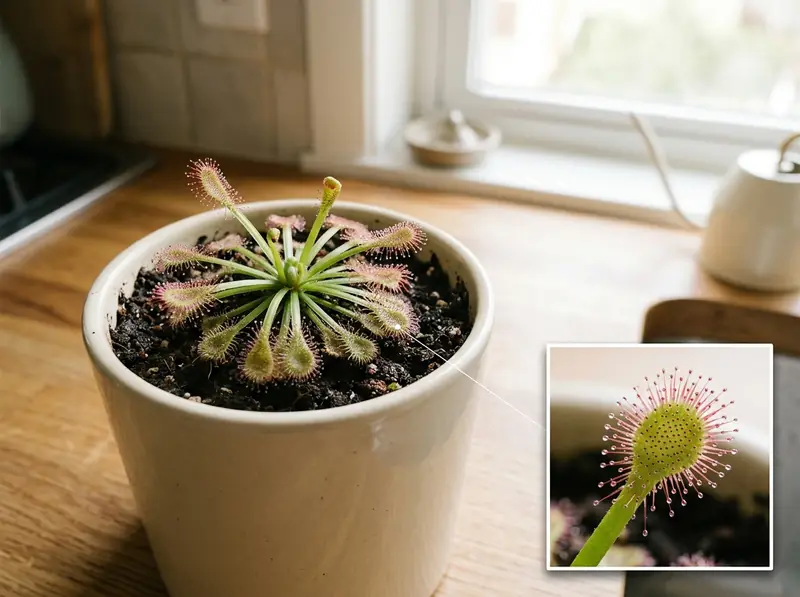
 AI-generated
Spoon-Leaved Sundew
Drosera spatulata
Spoon-leaved sundew is a small, spreading rosette of paddle-shaped leaves fringed with sticky red-tipped hairs that catch fungus gnats. It is among the easiest sundews to grow if you keep it in distilled water and give it very bright light.
Saving is free with a KinClub account, and it works here and in the KinClub app. Sign up free
Care profile
- Light
- Direct sunLow → direct sun
- Water
- Keep moistAbout every 3 days
- Difficulty
- ModerateTricky → easy
- Coldest it tolerates
- 40°F
- Humidity
- Medium to high
- Mature size
- SmallSmall → tree-size
- Growth rate
- Moderate
- How common
- RareRare → everywhere
- Plant family
- Droseraceae
Pets and toxicity
Cats and dogs: not yet checked
Not yet checked against ASPCA — don't assume it's safe for pets.
No toxicity source on record for this plant yet. If a pet eats any houseplant, call your vet or an animal poison helpline.
How to care for Spoon-Leaved Sundew
Light
Give it 4 or more hours of direct sun or a bright grow light for 12 hours daily. Strong light brings out the red color and the dew; in a dim spot it turns green and floppy.
Watering
Keep the pot standing in about a half-inch of distilled, rain or reverse-osmosis water all year, topping up as the tray empties. Mineral-rich tap water slowly burns the roots.
Soil
Use a mix of unfertilized peat moss and perlite or silica sand, about 1 to 1. Do not use regular potting soil or anything with fertilizer added.
Feeding
Do not fertilize the soil. If the plant gets no insects, dab a very dilute orchid fertilizer on a few leaves once a month.
Repotting
Repot every year or two into fresh peat and perlite, in spring. A small 3 to 4 in pot is plenty for a single rosette or a clump.
Propagation
Lay leaves flat on damp peat, pull off a leaf with the base intact, or divide offsets in spring. Fresh seed also sprouts easily on top of damp peat.
Common problems
- Dew stops forming in low light; move to a south window or add a grow light.
- Browning leaf tips and dying roots come from tap water; use only distilled or rain water.
- Fungus gnats breed in constantly wet peat; use yellow sticky traps and top-dress with sand.
- Plants may die back in a cold winter and sprout again; keep them damp and cool, not frozen.
Similar plants
Same light needs and difficulty.
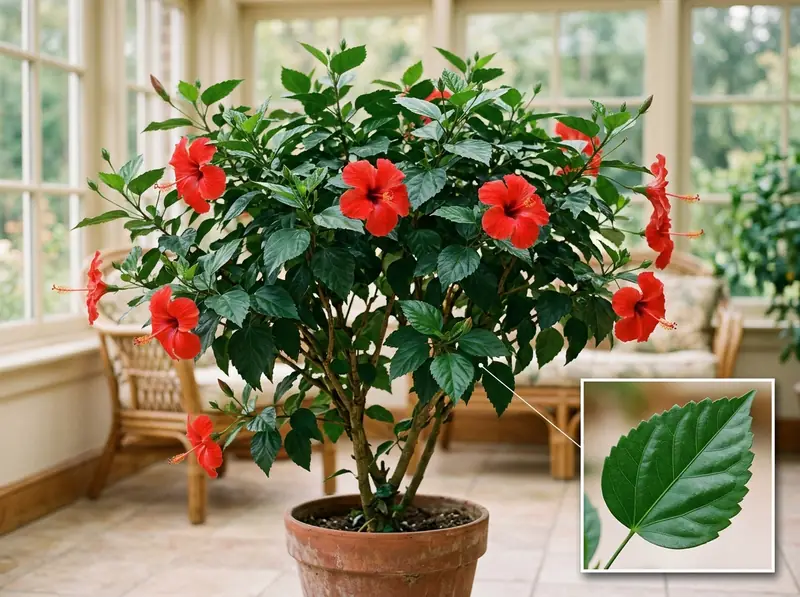 AI-generated
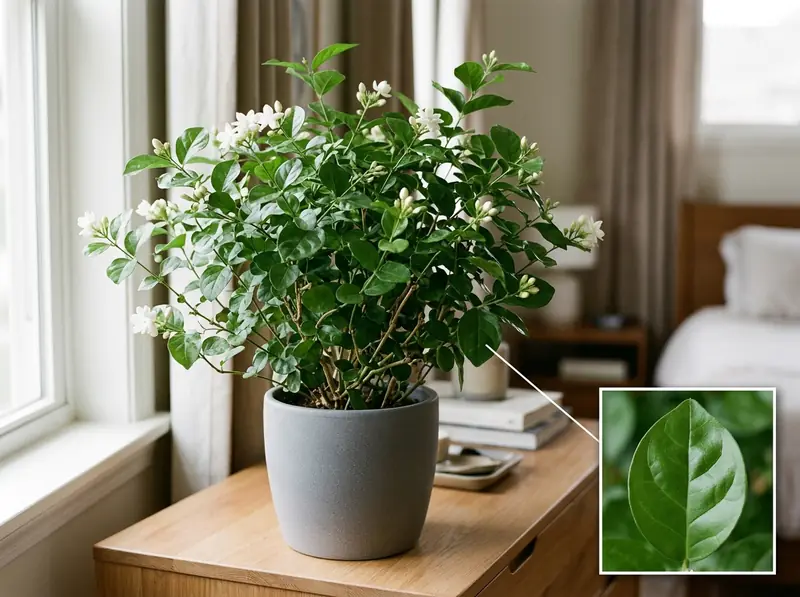 AI-generated
 AI-generated
 AI-generated