
 AI-generated
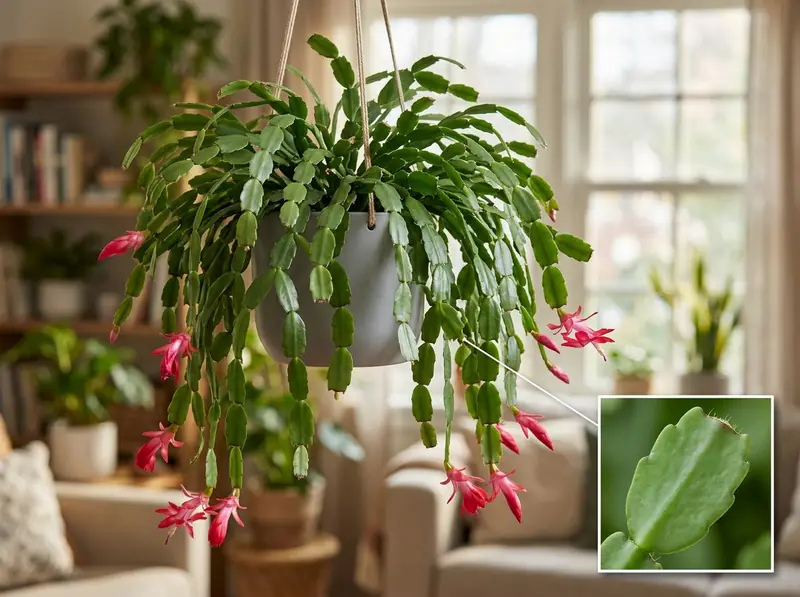
Spring Cactus
Schlumbergera russelliana
Also known as Christmas Cactus, Easter Cactus, Shrimp Cactus, Schlumbergera bridgesii
Spring Cactus is a forest-dwelling cactus with arching, flat, segmented stems that bears pink to red flowers, usually in late winter to spring. It is easy and long-lived in bright, indirect light with moderate watering, and it suits hanging baskets or shelves. A cool, dim rest in fall helps it set buds.
Saving is free with a KinClub account, and it works here and in the KinClub app. Sign up free
Care profile
- Light
- Bright, indirect lightLow → direct sun
- Water
- Moderate wateringAbout every 10 days
- Difficulty
- EasyTricky → easy
- Coldest it tolerates
- 50°F
- Humidity
- Medium
- Mature size
- SmallSmall → tree-size
- Growth rate
- Moderate
- How common
- EnthusiastRare → everywhere
- Plant family
- Cactaceae
Pets and toxicity
Non-toxic to cats
Listed as non-toxic to cats by the ASPCA.
Non-toxic to dogs
Listed as non-toxic to dogs by the ASPCA.
Source: ASPCA toxic and non-toxic plants. If a pet eats any houseplant, call your vet or an animal poison helpline.
How to care for Spring Cactus
Light
Give bright, indirect light, such as near an east or filtered south window. Protect it from hot direct midday sun, which scorches the segments.
Watering
Water when the top inch of soil is dry, roughly every 10 days in the growing season, until water drains out. Empty the saucer and water less often in winter rest and cool weather.
Soil
Use a loose, well-draining mix, such as ordinary potting soil blended with about one-third perlite or cactus mix. The pot must have drainage holes.
Feeding
Feed every 4 weeks in spring and summer with a balanced houseplant fertilizer at half strength. Stop feeding in late fall while buds are being set.
Repotting
Repot only every 2-3 years in spring after flowering, as it blooms well slightly root-bound. Move up just one pot size, about 1-2 inches wider.
Propagation
Twist off a piece of 2-3 segments, let the end dry for a day or two, then press it into moist mix. It roots in a few weeks.
Common problems
- Buds drop: caused by sudden changes in temperature, light or drafts once buds form. Keep the plant in one spot and avoid moving it.
- Soft, blackened stems: root rot from overwatering. Let soil dry, cut off healthy segments and re-root them in fresh mix.
- No flowers: usually too much warmth or light at night in fall. Give long nights and cool 50-60°F temperatures for about six weeks.
- Cottony white spots: mealybugs. Dab them with rubbing alcohol on a cotton swab and repeat weekly until clear.
Similar plants
Same light needs and difficulty.
 AI-generated
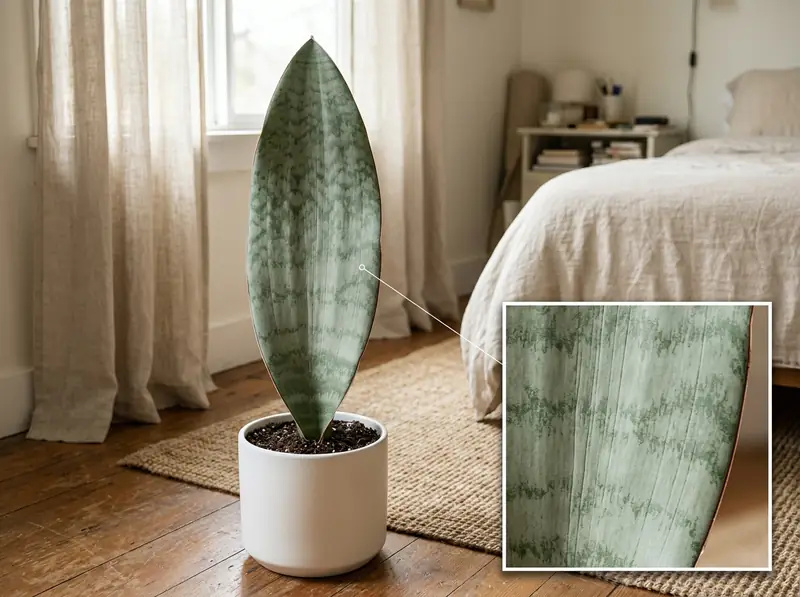
Whale Fin Snake Plant
Dracaena masoniana
- Medium to bright, indirect light
- Let it dry out
Toxic to cats and dogs AI-generated
 AI-generated
Chinese Money Plant
Pilea peperomioides
- Bright, indirect light
- Dry to moderate watering
Pets: not yet checked AI-generated
Christmas Cactus
Schlumbergera × buckleyi
- Bright, indirect light
- Moderate watering
Pets: not yet checked