
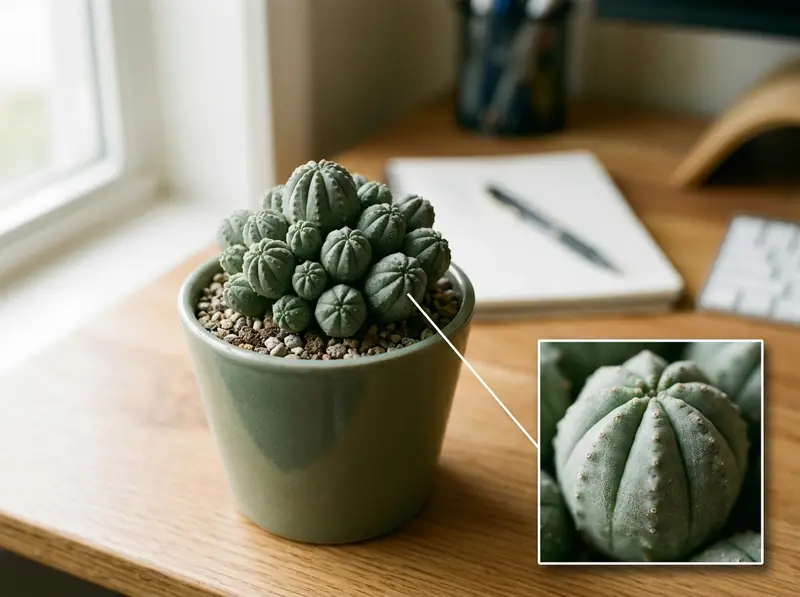
 AI-generated
Suzanna's Spurge
Euphorbia suzannae
Suzanna's spurge is a tiny clump of rounded, ribbed gray-green stems, a collector's succulent that needs bright light and very little water. It is slow growing and easy to rot, so it suits someone who tends to underwater rather than overwater.
Saving is free with a KinClub account, and it works here and in the KinClub app. Sign up free
Care profile
- Light
- Direct sunLow → direct sun
- Water
- Let it dry outAbout every 21 days
- Difficulty
- Easy to moderateTricky → easy
- Coldest it tolerates
- 50°F
- Humidity
- Low
- Mature size
- SmallSmall → tree-size
- Growth rate
- Slow
- How common
- RareRare → everywhere
- Plant family
- Euphorbiaceae
Pets and toxicity
Cats and dogs: not yet checked
Not yet checked against ASPCA — don't assume it's safe for pets.
No toxicity source on record for this plant yet. If a pet eats any houseplant, call your vet or an animal poison helpline.
How to care for Suzanna's Spurge
Light
Needs very bright light with several hours of direct sun, such as a south window. Low light makes the round stems stretch and lose their neat shape. Introduce hot summer sun gradually to avoid scorch.
Watering
Water sparingly, every 2 to 4 weeks in the growing season only when the soil is completely dry, and much less in winter. Its small roots rot quickly in wet soil.
Soil
Use a very gritty mix of about 1 part potting soil to 2 parts pumice or coarse sand, in a small terracotta pot with a drainage hole.
Feeding
Use a cactus fertilizer at quarter strength once or twice during the growing season. Skip it in winter.
Repotting
Repot only every 2 to 3 years in spring into a slightly wider shallow pot, because it is a slow, clumping plant.
Propagation
Remove offsets with a clean knife, let the cut dry for a week, and set on dry gritty mix. Water lightly after roots start. Seed is also possible but slow.
Common problems
- Rot at the base comes from overwatering; cut away soft tissue, dry, and replant in dry grit.
- Etiolated, pale stems indicate not enough light; move to the sunniest window.
- Mealybugs hide between the stems; dab with alcohol and repeat weekly.
- Shriveling in winter is a normal dry rest; give a tiny drink only if stems wrinkle badly.
Similar plants
Same light needs and difficulty.
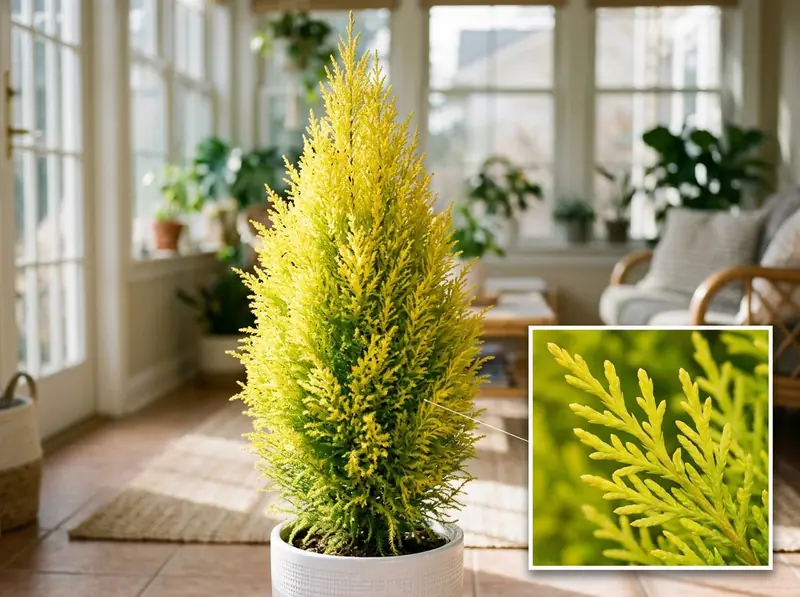 AI-generated
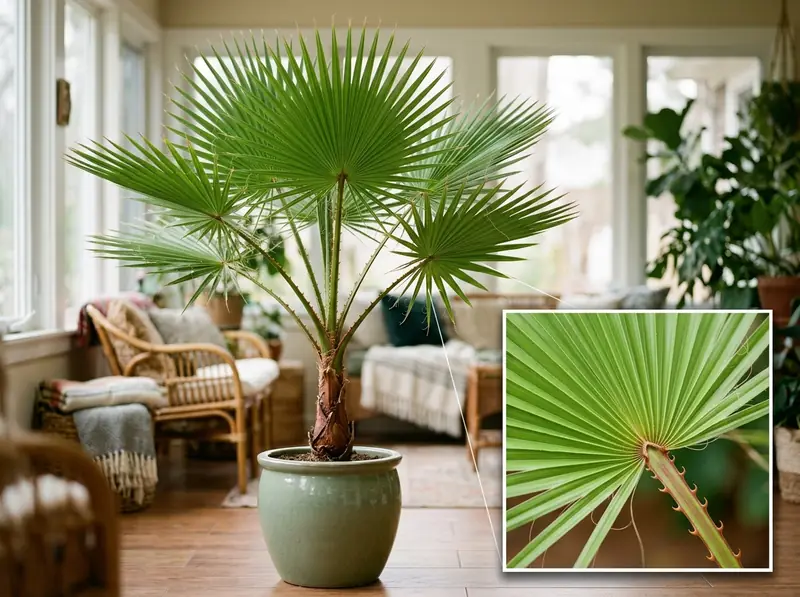 AI-generated
 AI-generated
 AI-generated