
 AI-generated
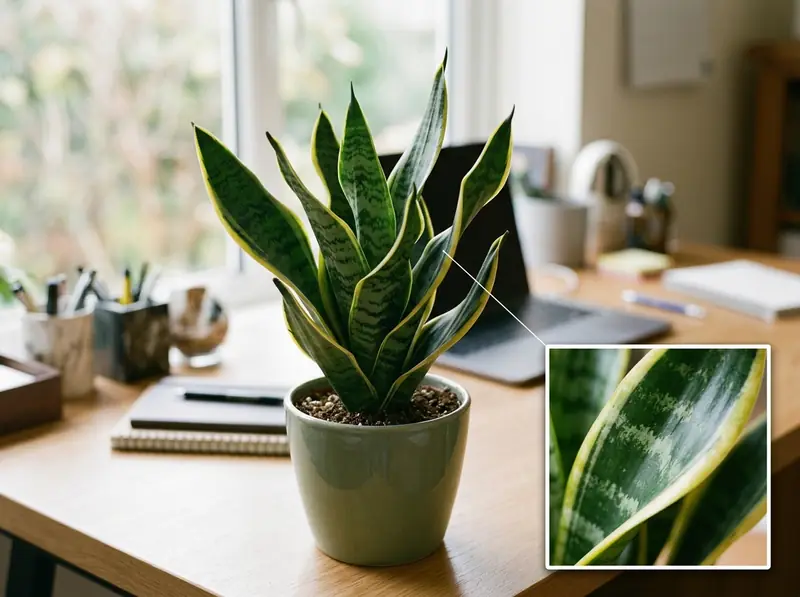
Twisted Snake Plant
Dracaena trifasciata 'Twist'
Twisted snake plant is a compact Dracaena trifasciata cultivar whose short, dark leaves spiral and curl, often edged in yellow. It stays small, handles low light, and wants water only rarely.
Saving is free with a KinClub account, and it works here and in the KinClub app. Sign up free
Care profile
- Light
- Low lightLow → direct sun
- Water
- Let it dry outAbout every 18 days
- Difficulty
- EasyTricky → easy
- Coldest it tolerates
- 50°F
- Humidity
- Low
- Mature size
- SmallSmall → tree-size
- Growth rate
- Slow
- How common
- EnthusiastRare → everywhere
- Plant family
- Asparagaceae
Pets and toxicity
Toxic to cats
Keep away from cats. Call your vet or a pet poison helpline if a cat chews it.
Toxic to dogs
Keep away from dogs. Call your vet or a pet poison helpline if a dog chews it.
Source: ASPCA toxic and non-toxic plants. If a pet eats any houseplant, call your vet or an animal poison helpline.
How to care for Twisted Snake Plant
Light
Tolerates low light, but medium to bright indirect light keeps the twist tight and the golden-edged leaves colorful. Avoid hot, direct afternoon sun.
Watering
Water deeply only when the soil has dried completely, about every 2 to 3 weeks in summer and monthly in winter.
Soil
A gritty cactus mix, or potting soil blended with one-third perlite or coarse sand, in a pot with drainage holes.
Feeding
Feed 2 or 3 times in spring and summer with a half-strength liquid fertilizer.
Repotting
Repot only every 3 to 4 years when roots crowd the pot. A small pot keeps this compact form tidy.
Propagation
Divide pups with roots attached in spring; division keeps the variegation. Leaf cuttings often grow back plain green and without the twist.
Common problems
- Soft, mushy bases from overwatering: trim rot and repot into dry gritty mix.
- Mealybugs tuck into the tight leaf bases: use an alcohol swab to remove them.
- Fading gold edges mean too little light: move it to a brighter spot.
Similar plants
Same light needs and difficulty.
 AI-generated
 AI-generated
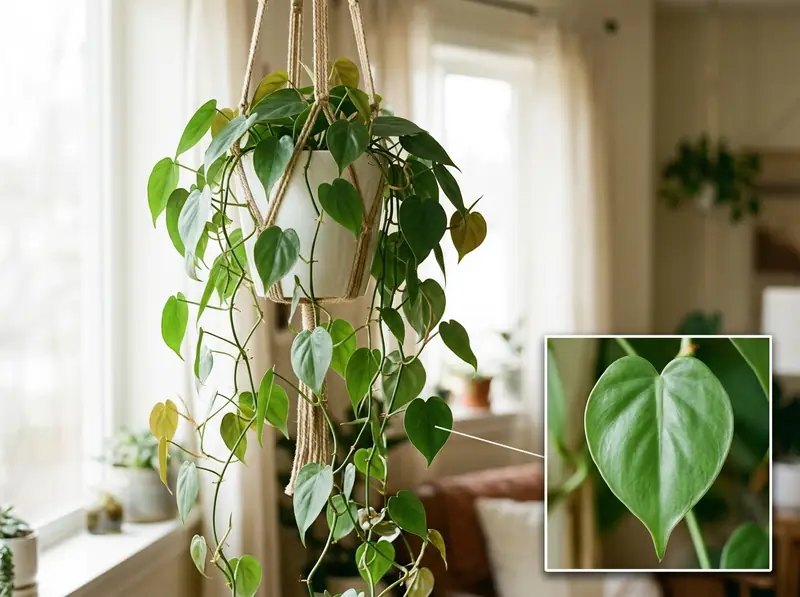
Heartleaf Philodendron
Philodendron hederaceum
- Low to medium light
- Moderate watering
Toxic to cats and dogs AI-generated
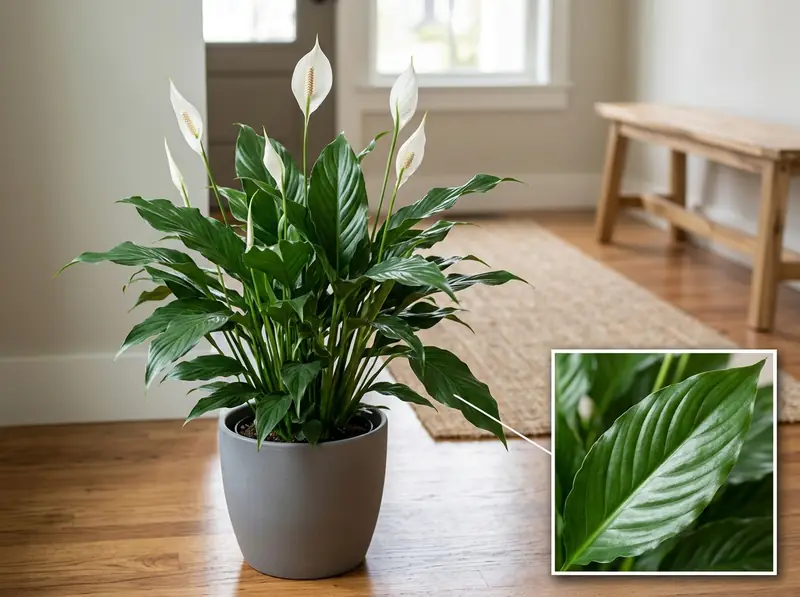 AI-generated
Peace Lily
Spathiphyllum wallisii
- Low to medium light
- Moderate to moist watering
Toxic to cats and dogs