AI-generated image, not a photograph of this plant. Real plants look different depending on light, soil, temperature and age.
PassifloraceaeRare in stores
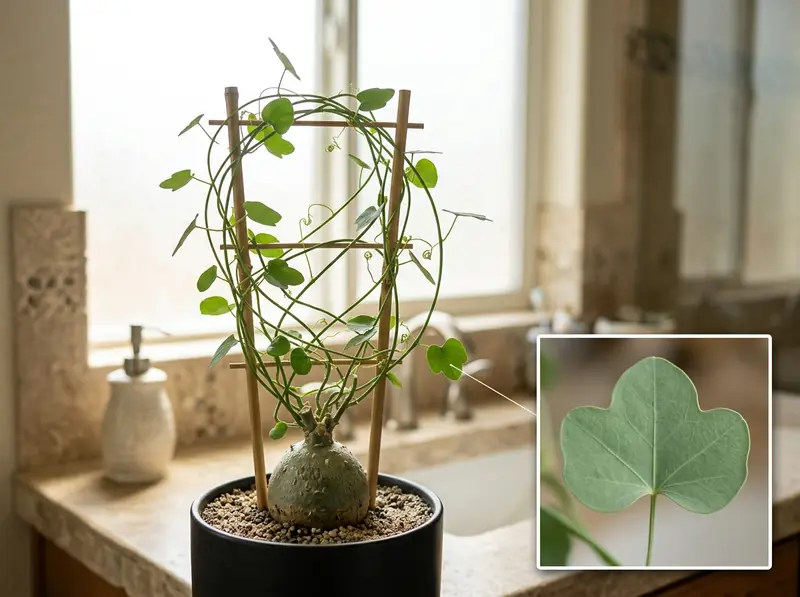
Venenata Adenia
Adenia venenata
Adenia venenata is a caudiciform vine with a swollen, water-storing base and slender climbing stems that grow quickly in summer. It wants intense light, warmth and a gritty mix, then a dry winter rest. Best for experienced succulent growers.
Pets: not yet checked
💡
Saving is free with a KinClub account, and it works here and in the KinClub app. Sign up free
🪴 Care profile
Light
Direct sunLow → direct sun
Water
Let it dry outAbout every 21 days
Difficulty
Moderate to challengingTricky → easy
Coldest it tolerates
50°F
Humidity
Low
Mature size
MediumSmall → tree-size
Growth rate
Slow
How common
RareRare → everywhere
Plant family
Passifloraceae
🐾 Pets and toxicity
Cats and dogs: not yet checked
Not yet checked against ASPCA — don't assume it's safe for pets.
No toxicity source on record for this plant yet. If a pet eats any houseplant, call your vet or an animal poison helpline.
🌿 How to care for Venenata Adenia
Light
Needs bright light with several hours of direct sun, such as an unshaded south or west window, or a grow light. It stretches in dim spots.
Watering
Water thoroughly in the growing season when the mix is dry, about every 2-3 weeks. Stop watering completely during winter dormancy, once the leaves drop.
Soil
Very gritty, fast-draining mix with mostly pumice, perlite or coarse sand and a little cactus soil.
Feeding
Feed lightly once a month in spring and summer with half-strength cactus fertilizer; none in winter.
Repotting
Repot every 2-3 years in spring into a shallow pot just one size up, keeping the swollen base above the soil.
Propagation
Usually grown from seed in a warm, bright spot; cuttings of the vines are possible but rarely root reliably.
Common problems
Caudex rot from wet soil, especially in winter, is the main risk. Keep it dry when leafless.
Spider mites target new leaves; rinse and spray with insecticidal soap.
Autumn leaf drop is normal dormancy, not a sign of illness.

 AI-generated
 AI-generated
 AI-generated
 AI-generated
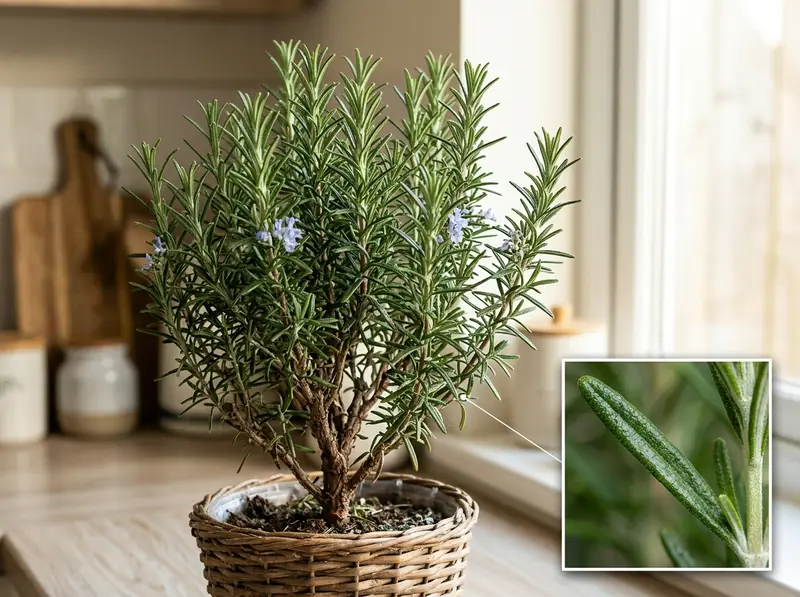 AI-generated