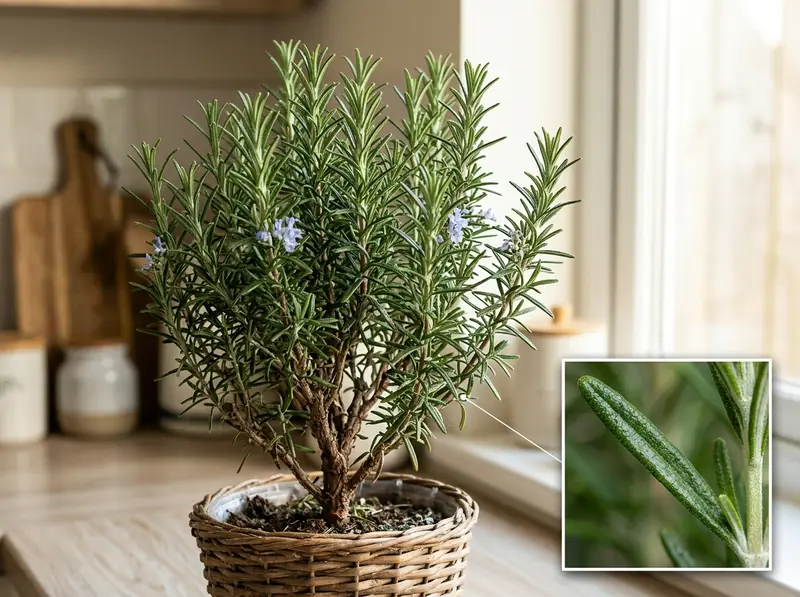
AI-generated image, not a photograph of this plant. Real plants look different depending on light, soil, temperature and age.
DroseraceaeRare in stores
Waterwheel Plant
Aldrovanda vesiculosa
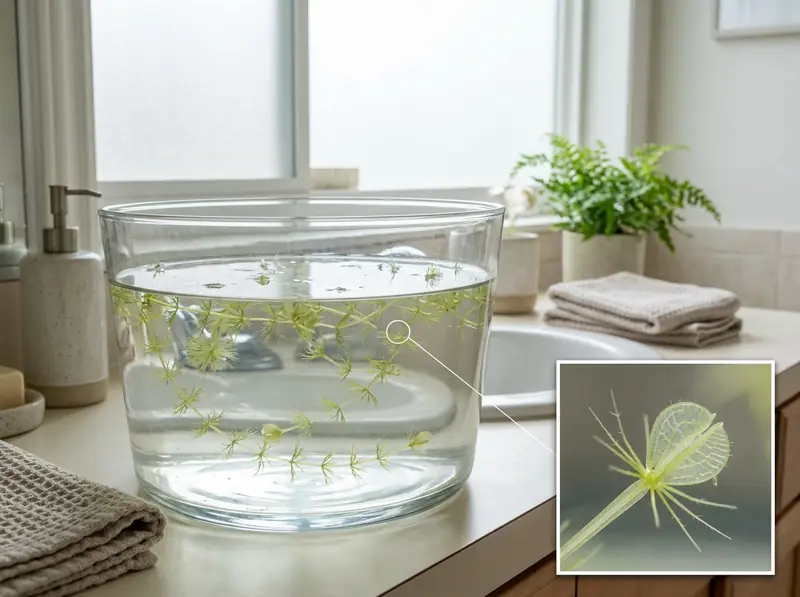
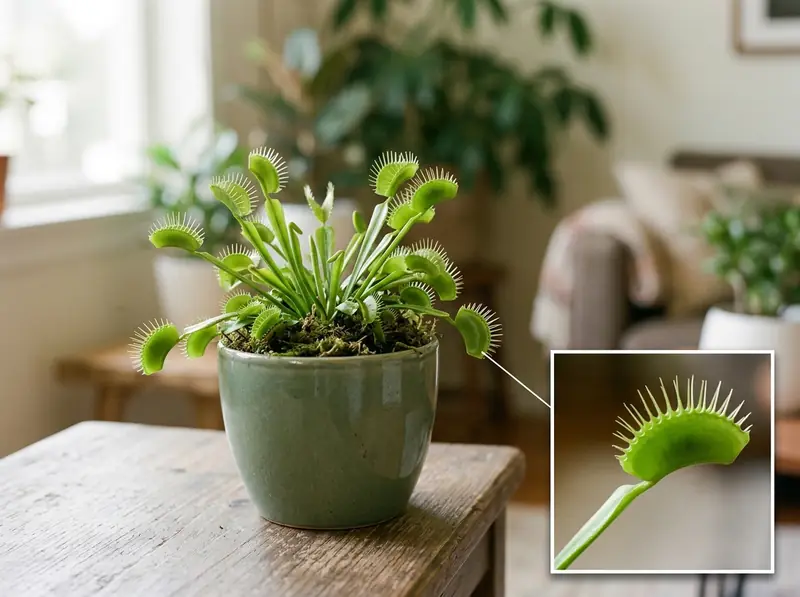
Aldrovanda vesiculosa, the waterwheel plant, is a free-floating aquatic carnivore with whorls of tiny snap traps like a miniature Venus flytrap. It needs soft water, strong light and warmth in summer. It is a challenging specialist plant best kept in a clear tub.
Pets: not yet checked
💡
Saving is free with a KinClub account, and it works here and in the KinClub app. Sign up free
🪴 Care profile
Light
Direct sunLow → direct sun
Water
Keep moistAbout every day
Difficulty
ChallengingTricky → easy
Coldest it tolerates
45°F
Humidity
High
Mature size
SmallSmall → tree-size
Growth rate
Fast
How common
RareRare → everywhere
Plant family
Droseraceae
🐾 Pets and toxicity
Cats and dogs: not yet checked
Not yet checked against ASPCA — don't assume it's safe for pets.
No toxicity source on record for this plant yet. If a pet eats any houseplant, call your vet or an animal poison helpline.
🌿 How to care for Waterwheel Plant
Light
Needs very bright light with several hours of direct sun daily. A sunny windowsill or outdoor tub in summer works well; a grow light helps in winter.
Watering
It floats freely, so keep it in 6-10 inches of soft, still, mineral-free rainwater or distilled water. Top up weekly with distilled water to replace evaporation.
Soil
No soil is needed. A bare tub or a thin layer of peat in the bottom keeps the water soft and slightly acidic. Never add fertilizer.
Feeding
Do not fertilize. It catches tiny water fleas and other micro-prey with its snap traps. A few small aquatic invertebrates in the tub are enough.
Repotting
Does not need repotting. Divide the tangled stems once the tub is crowded and move a portion to fresh water.
Propagation
Stems branch and split on their own as they grow. Separate a few healthy segments into a new tub of fresh water.
Common problems
Algae blooms in hot, bright water cloud the tub. Add a little shade, use a larger volume of water, and do not fertilize.
Mineral-heavy tap water kills it. Use only rainwater or distilled water.
It needs a cool winter rest to form dormant buds in many strains; keep it at 45-55 F in winter.

 AI-generated
 AI-generated
 AI-generated
 AI-generated
 AI-generated