
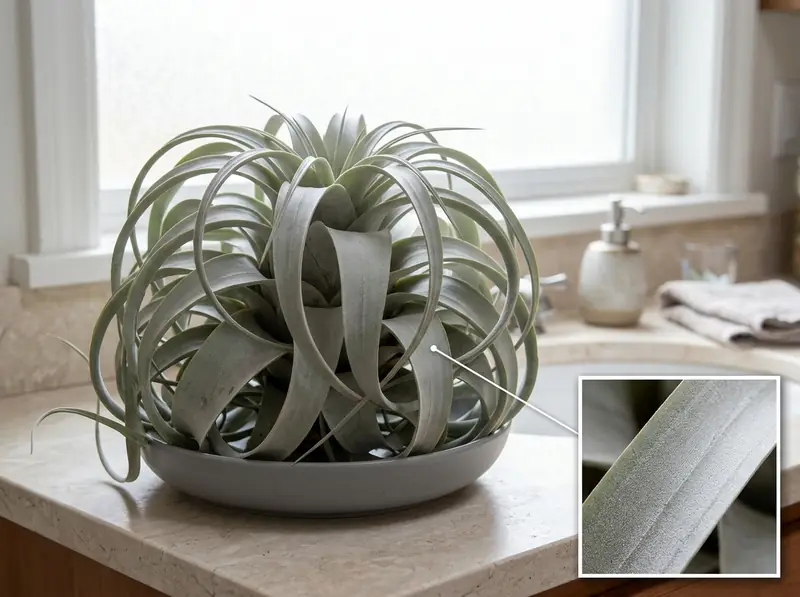
 AI-generated
Xerographica
Tillandsia xerographica
Tillandsia xerographica is a slow-growing, silvery air plant that forms a wide, curling rosette and needs no soil. Give it bright light, soak it weekly, and let it dry fully with good airflow so water doesn't sit in the center. It is a durable, easy plant once you learn to dry it well.
Saving is free with a KinClub account, and it works here and in the KinClub app. Sign up free
Care profile
- Light
- Bright, indirect lightLow → direct sun
- Water
- Let it dry outAbout every 7 days
- Difficulty
- Easy to moderateTricky → easy
- Coldest it tolerates
- 45°F
- Humidity
- Low to medium
- Mature size
- SmallSmall → tree-size
- Growth rate
- Slow
- How common
- CommonRare → everywhere
- Plant family
- Bromeliaceae
Pets and toxicity
Cats and dogs: not yet checked
Not yet checked against ASPCA — don't assume it's safe for pets.
No toxicity source on record for this plant yet. If a pet eats any houseplant, call your vet or an animal poison helpline.
How to care for Xerographica
Light
Give it bright light, such as an east or south window, with a few hours of gentle direct sun if possible. Avoid hot, unfiltered midday sun through glass, which scorches the leaves.
Watering
Soak in a bowl of room-temperature water for 20 to 30 minutes about once a week, or rinse thoroughly under the tap. Shake out the water and let it dry upright in the open within about 4 hours. Water a little less in winter, for example every 10 to 14 days.
Soil
It is an air plant and needs no soil. Display it on a dish, driftwood, or in an open holder that lets air move freely around it. Avoid closed glass globes.
Feeding
Feed once a month in spring and summer with a bromeliad or air plant fertilizer diluted to 1/4 strength. Add it to the soaking water.
Repotting
It does not need repotting because it grows without soil. Move it to a bigger display spot if needed. Remove dead lower leaves as they dry.
Propagation
Mature plants produce pups after flowering, but this species is slow and may take years to bloom. Once a pup is about one-third the size of the parent, gently twist it off and grow it on its own.
Common problems
- Center rot from trapped water: shake the plant well after each soak and dry it in good airflow.
- Leaves curl tightly and feel papery: soak for a longer time, up to an hour, and water more often.
- Brown, crispy leaf tips: usually dry air or sun scorch, so increase soaking and move it back from hot glass.
- Dull, limp or greener growth: it needs brighter light, so move it closer to a bright window.
- Mealybugs or scale on the leaves: dab with rubbing alcohol on a cotton swab and repeat weekly.
Similar plants
Same light needs and difficulty.
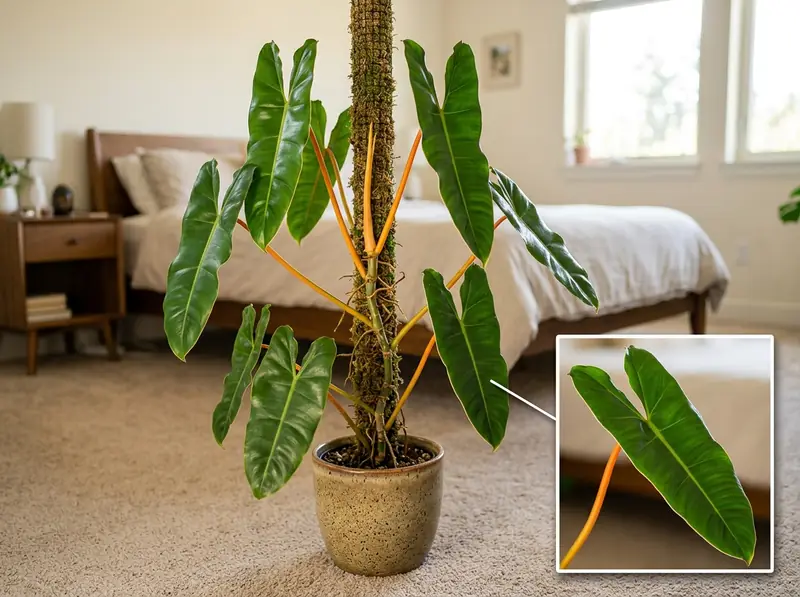 AI-generated
Billietiae Philodendron
Philodendron billietiae
- Bright, indirect light
- Moderate watering
Toxic to cats and dogs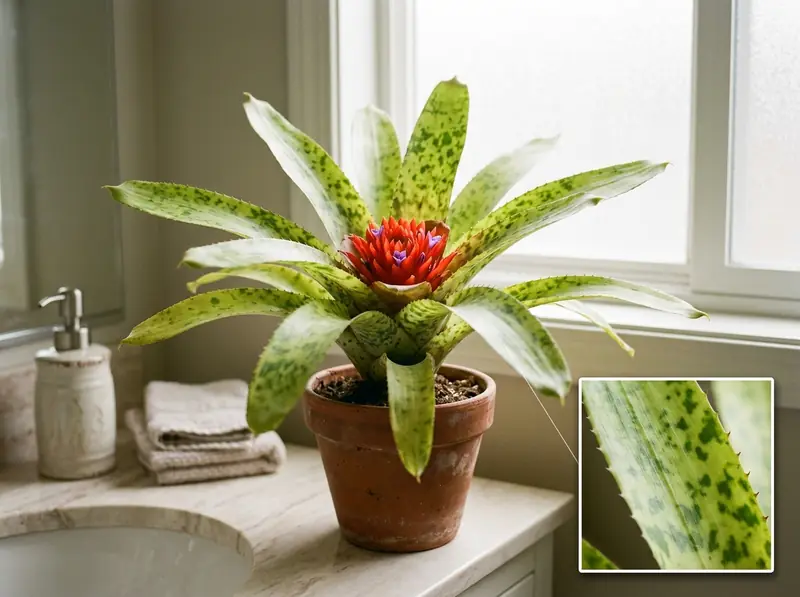 AI-generated
Bird's Nest Bromeliad
Nidularium fulgens
- Medium to bright, indirect light
- Moderate watering
Pets: not yet checked AI-generated
Chinese Money Plant
Pilea peperomioides
- Bright, indirect light
- Dry to moderate watering
Pets: not yet checked AI-generated
Christmas Cactus
Schlumbergera × buckleyi
- Bright, indirect light
- Moderate watering
Pets: not yet checked