
 AI-generated
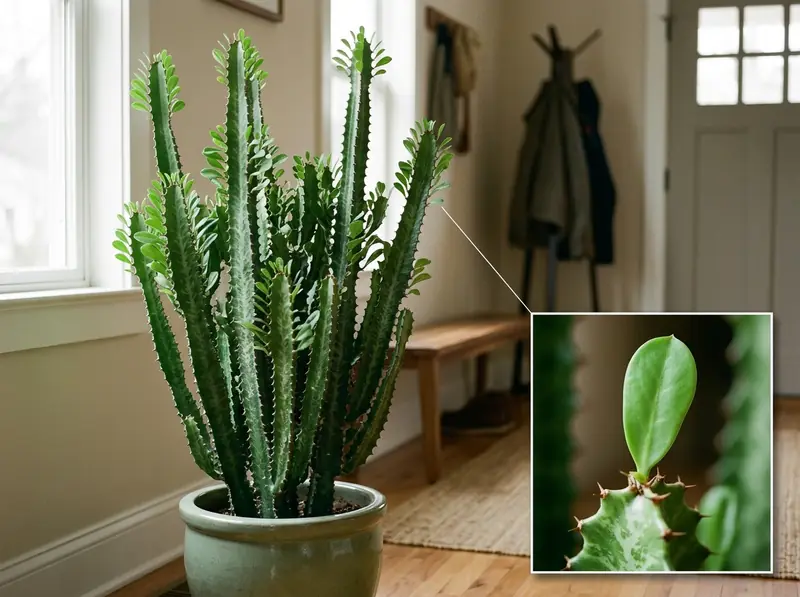
African Milk Tree
Euphorbia trigona
African milk tree is a tough, upright succulent with branching, three- or four-sided green stems and small leaves along the ridges. It grows well in a bright window and needs little water, which makes it a good choice for beginners. Indoors it can reach 3 to 6 feet or more over time, so give it room and a sturdy pot.
Saving is free with a KinClub account, and it works here and in the KinClub app. Sign up free
Care profile
- Light
- Bright, indirect to direct sunLow → direct sun
- Water
- Let it dry outAbout every 14 days
- Difficulty
- EasyTricky → easy
- Coldest it tolerates
- 50°F
- Humidity
- Low
- Mature size
- Large to tree-sizeSmall → tree-size
- Growth rate
- Moderate to fast
- How common
- Very commonRare → everywhere
- Plant family
- Euphorbiaceae
Pets and toxicity
Cats and dogs: not yet checked
Not yet checked against ASPCA — don't assume it's safe for pets.
No toxicity source on record for this plant yet. If a pet eats any houseplant, call your vet or an animal poison helpline.
How to care for African Milk Tree
Light
Give it bright light, such as a south- or west-facing window with a few hours of sun. Introduce direct sun gradually to avoid scorching, and avoid dim rooms, where it gets leggy.
Watering
Water thoroughly only when the soil is completely dry, about every 2 weeks in summer. In winter cut back to about once a month or less, and empty the saucer after watering.
Soil
Use a gritty cactus or succulent mix. Adding extra perlite or coarse sand helps, and the pot must have a drainage hole.
Feeding
Feed with a diluted cactus or balanced fertilizer at half strength about once a month in spring and summer. Do not feed in fall and winter.
Repotting
Repot every 2-3 years in spring, only when roots fill the pot, going up one pot size. Choose a heavy pot, because tall plants tip over easily.
Propagation
Take a stem cutting 4-6 inches long in spring or summer, wearing gloves because of the sap. Let it callus for several days, then plant it in dry gritty mix and water lightly once it starts rooting.
Common problems
- Soft, mushy stem base from root rot: stop watering, and if the rot is limited, cut off healthy tip cuttings and re-root them.
- Leggy, thin growth: move it to a brighter spot and prune the tall stems in spring.
- Cottony white mealybugs in stem joints: dab them with a cotton swab dipped in rubbing alcohol and repeat weekly.
- Leaf drop after a move or in winter: this is normal, so keep it in bright light and don't overwater.
Similar plants
Same light needs and difficulty.
 AI-generated
 AI-generated
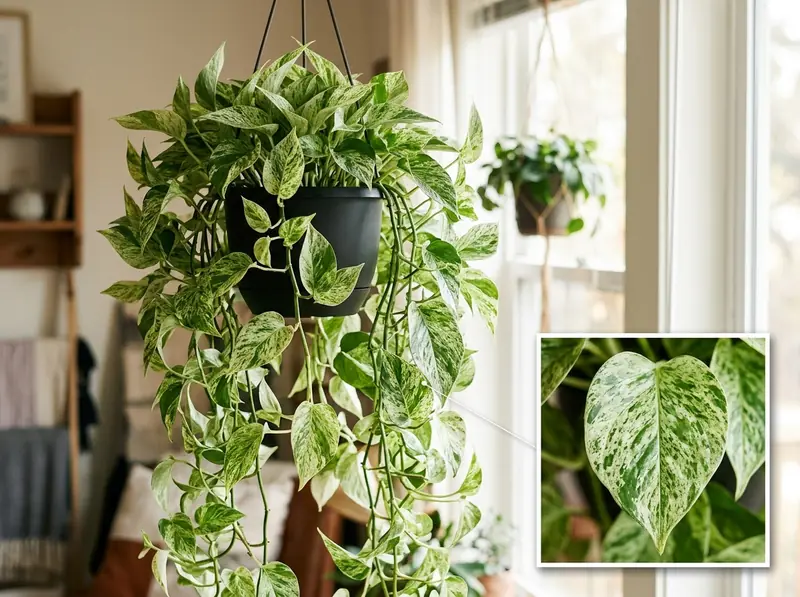
Marble Queen Pothos
Epipremnum aureum 'Marble Queen'
- Bright, indirect light
- Moderate watering
Toxic to cats and dogs AI-generated
Chinese Money Plant
Pilea peperomioides
- Bright, indirect light
- Dry to moderate watering
Pets: not yet checked AI-generated
Christmas Cactus
Schlumbergera × buckleyi
- Bright, indirect light
- Moderate watering
Pets: not yet checked