
 AI-generated
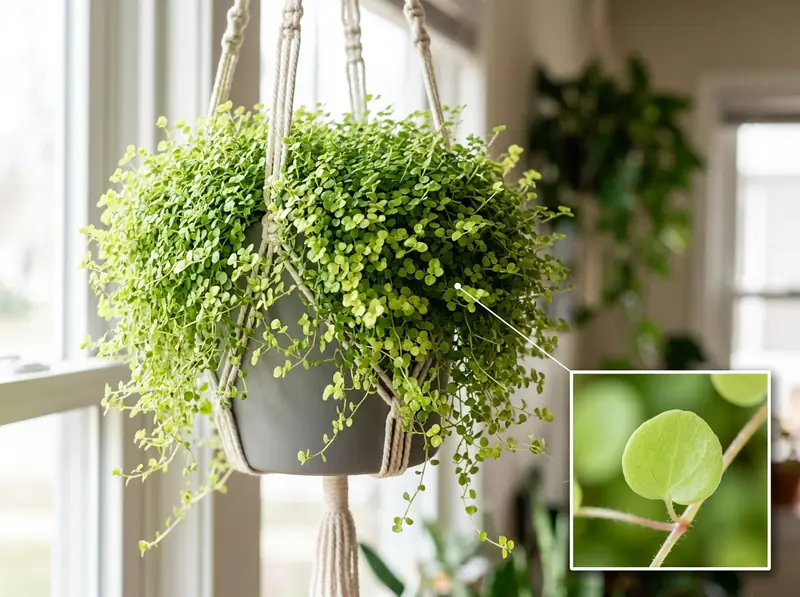
Baby's Tears
Soleirolia soleirolii
Also known as Paddys Wig, Japanese moss, Peace-in-the-home, Corsican Carpet, Angel's Tears, Irish Moss, Mind-your-own-business, Pollyanna vine, Baby Tears
Baby's tears forms a dense, moss-like carpet of tiny round leaves that spills over the edge of a pot. It grows fast and looks lush, but it needs constant moisture, high humidity and cool, bright conditions, so it suits a terrarium, bathroom or shaded windowsill. It is easy to revive and propagate but can collapse quickly if it dries out.
Saving is free with a KinClub account, and it works here and in the KinClub app. Sign up free
Care profile
- Light
- Bright, indirect lightLow → direct sun
- Water
- Keep moistAbout every 3 days
- Difficulty
- ModerateTricky → easy
- Coldest it tolerates
- 40°F
- Humidity
- High
- Mature size
- SmallSmall → tree-size
- Growth rate
- Fast
- How common
- Very commonRare → everywhere
- Plant family
- Urticaceae
Pets and toxicity
Non-toxic to cats
Listed as non-toxic to cats by the ASPCA.
Non-toxic to dogs
Listed as non-toxic to dogs by the ASPCA.
Source: ASPCA toxic and non-toxic plants. If a pet eats any houseplant, call your vet or an animal poison helpline.
How to care for Baby's Tears
Light
Give it bright, indirect light, such as a spot near an east window or a few feet back from a south or west window. Avoid hot direct sun, which scorches the fine leaves.
Watering
Keep the soil evenly damp at all times, but never soggy. In an average home this usually means watering every 2-4 days; check that the top half inch is still moist. Bottom watering works best, and the plant should not sit in standing water for long.
Soil
Use a peat-based, all-purpose potting mix with some perlite added for drainage, which holds moisture yet does not stay waterlogged. A shallow, wide pot with drainage holes suits its spreading roots.
Feeding
Feed every 4 weeks in spring and summer with a balanced liquid houseplant fertilizer diluted to half strength. Skip feeding in winter.
Repotting
Repot in spring when the mat fills the pot, usually every year or two. Move to a slightly wider, shallow pot, or divide the clump and replant the pieces.
Propagation
Divide the clump into small sections with roots attached and plant each in moist mix. Stem pieces that touch damp soil also root quickly.
Common problems
- Brown, crispy leaves mean the soil dried out or the air is too dry; soak the pot from below and keep it evenly moist.
- Mushy, blackened stems indicate rot from waterlogged soil or a hot, stagnant spot; trim away the affected parts and let the top surface drain between waterings.
- Leggy, sparse growth means too little light; move to a brighter spot and trim back the long strands.
- Bare or dying center of the mound happens as it ages; trim it back hard or divide and repot the healthy sections.
- Fine webbing and stippled leaves point to spider mites in dry air; rinse gently and raise the humidity.
Similar plants
Same light needs and difficulty.
 AI-generated
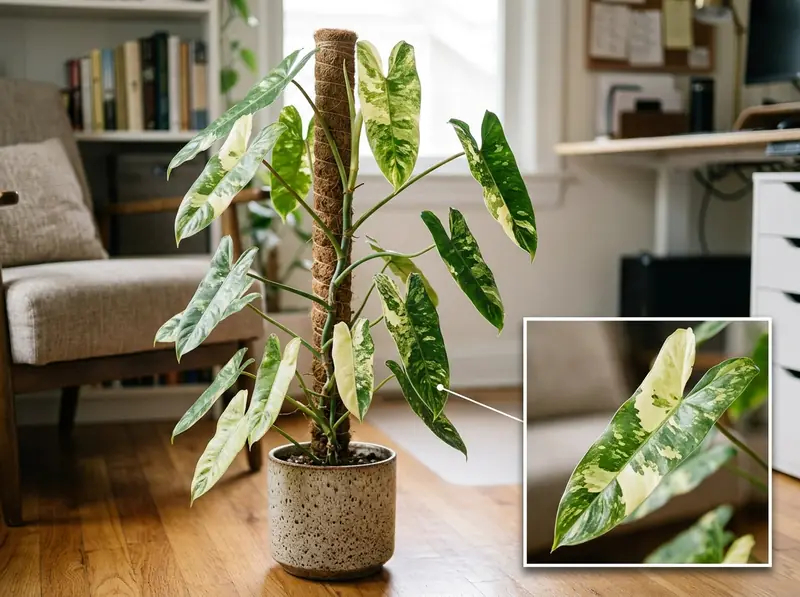
Ilsemanii Philodendron
Philodendron ilsemanii
- Bright, indirect light
- Moderate watering
Toxic to cats and dogs AI-generated
 AI-generated
 AI-generated