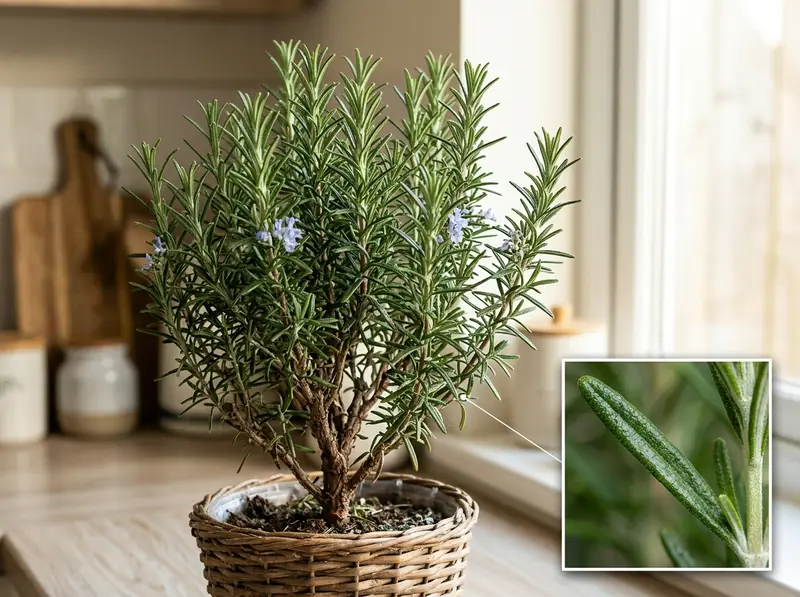
AI-generated image, not a photograph of this plant. Real plants look different depending on light, soil, temperature and age.
BromeliaceaeRare in stores
Carnivorous Bromeliad
Brocchinia reducta
Carnivorous Bromeliad is a rare, slow bromeliad whose upright, yellow-green rosette is thought to trap insects in its leaf cup. It needs intense light, pure water, and constant moisture, so it suits experienced growers.
Pets: not yet checked
💡
Saving is free with a KinClub account, and it works here and in the KinClub app. Sign up free
🪴 Care profile
Light
Direct sunLow → direct sun
Water
Keep moistAbout every 4 days
Difficulty
Moderate to challengingTricky → easy
Coldest it tolerates
50°F
Humidity
Medium to high
Mature size
Small to mediumSmall → tree-size
Growth rate
Slow
How common
RareRare → everywhere
Plant family
Bromeliaceae
🐾 Pets and toxicity
Cats and dogs: not yet checked
Not yet checked against ASPCA — don't assume it's safe for pets.
No toxicity source on record for this plant yet. If a pet eats any houseplant, call your vet or an animal poison helpline.
🌿 How to care for Carnivorous Bromeliad
Light
Very bright light with several hours of direct sun, such as a south window or under a strong grow light. Introduce strong light gradually.
Watering
Keep the central cup filled with rainwater or distilled water, and the soil constantly damp, about every 4 days. It is a bog plant that sits in a shallow tray of water.
Soil
A nutrient-poor, moisture-retaining mix of peat moss and sand or perlite, equal parts. Avoid regular potting soil and fertilizer.
Feeding
Do not fertilize. Insects trapped in the leaf cup and pure water provide all it needs.
Repotting
Repot only when crowded, every 2 to 3 years in spring, into a small wide pot with the same peat and sand mix.
Propagation
Separate pups from the base of the plant when they are a third the size of the parent and pot them in peat and sand. Seed is very slow.
Common problems
Tap water mineral buildup browns the leaf tips. Switch to rainwater or distilled water and flush the pot.
Rot at the leaf base comes from stagnant cup water. Rinse the cup occasionally and make sure air circulates.
Mealybugs and scale hide at the leaf bases. Remove them with rubbing alcohol on a cotton swab.

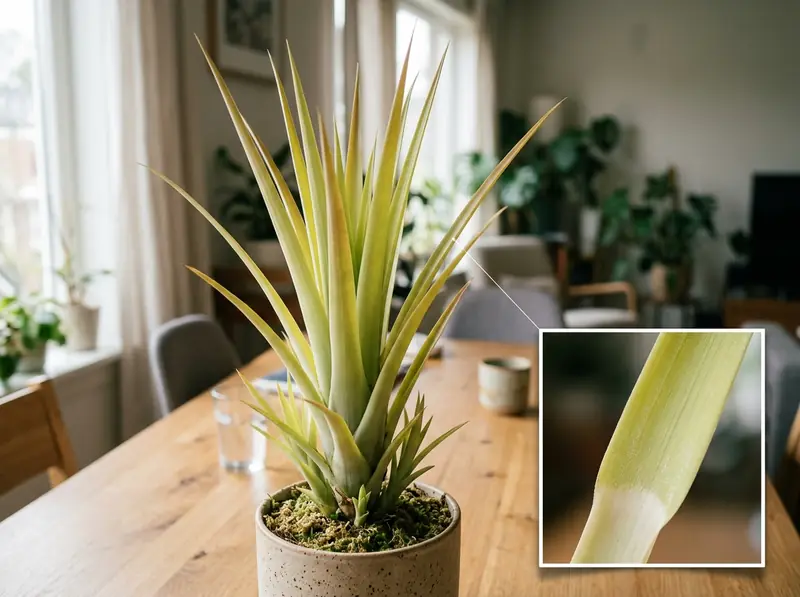 AI-generated
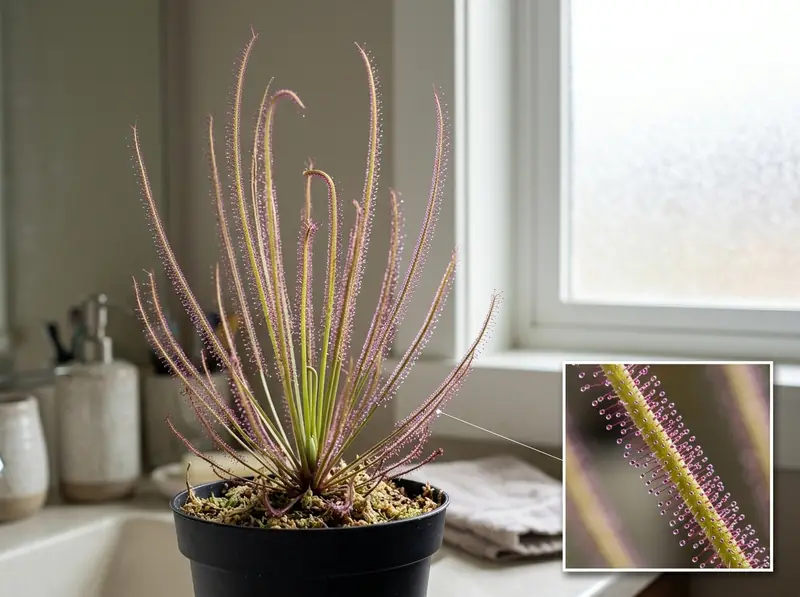 AI-generated
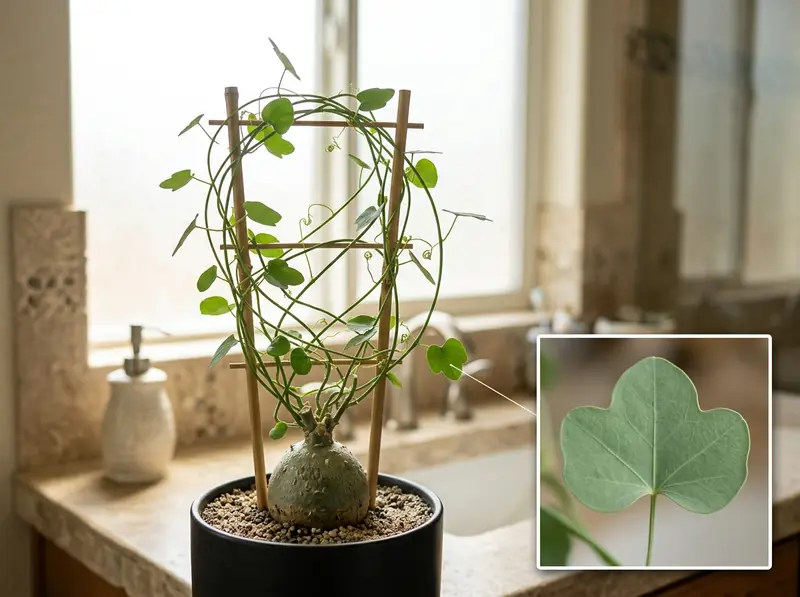 AI-generated
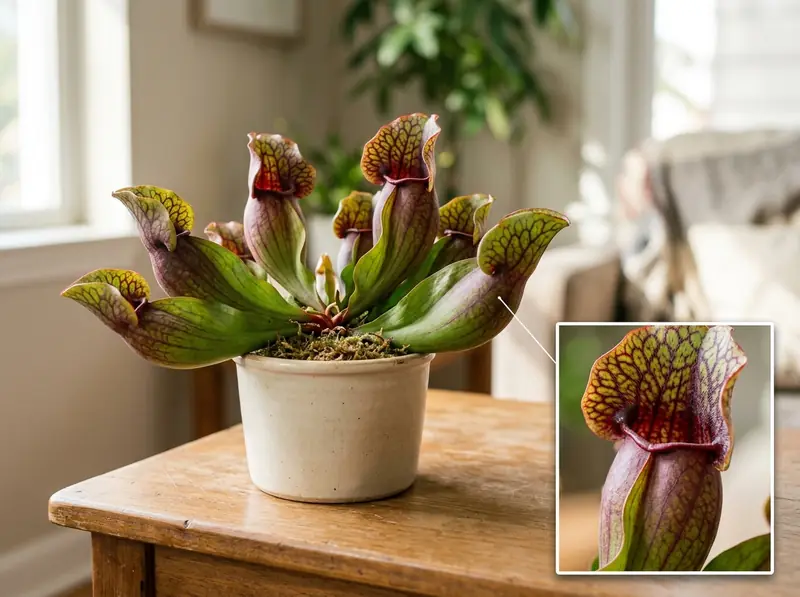 AI-generated
 AI-generated