
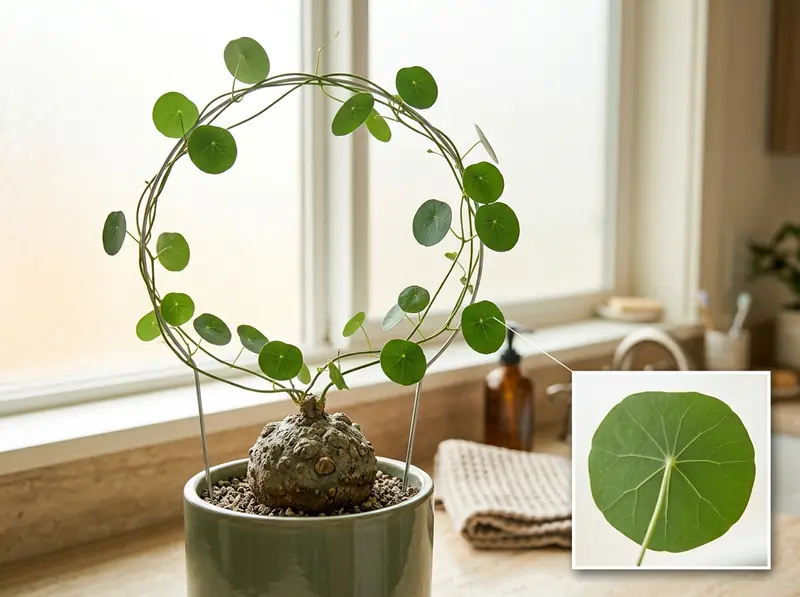
 AI-generated
Caudex Stephania
Stephania erecta
Stephania erecta is a slow-growing caudiciform vine with a swollen, knobby, gray-green base and thin twining stems carrying small, round, shield-shaped leaves. It needs bright, indirect light, gritty soil and careful watering, and it goes dormant each winter, when the vine dies back and watering stops.
Saving is free with a KinClub account, and it works here and in the KinClub app. Sign up free
Care profile
- Light
- Bright, indirect lightLow → direct sun
- Water
- Let it dry outAbout every 10 days
- Difficulty
- Moderate to challengingTricky → easy
- Coldest it tolerates
- 50°F
- Humidity
- Medium to high
- Mature size
- Small to mediumSmall → tree-size
- Growth rate
- Slow to moderate
- How common
- EnthusiastRare → everywhere
- Plant family
- Menispermaceae
Pets and toxicity
Cats and dogs: not yet checked
Not yet checked against ASPCA — don't assume it's safe for pets.
No toxicity source on record for this plant yet. If a pet eats any houseplant, call your vet or an animal poison helpline.
How to care for Caudex Stephania
Light
Give bright, indirect light, such as a spot near an east or lightly shaded south window. Gentle morning sun is fine, but avoid hot midday sun, which scorches the leaves and caudex.
Watering
In the growing season, soak thoroughly when the soil is dry through the pot, roughly every 7 to 14 days, and let excess drain away. Once the vine dies back in autumn or winter, stop watering until new growth appears.
Soil
Use a very gritty, fast-draining mix, for example about 2 parts pumice or perlite to 1 part cactus mix. Use a pot with drainage holes, and keep the top of the caudex above the soil line.
Feeding
Feed with a balanced houseplant fertilizer at quarter to half strength about once a month while the vine is actively growing in spring and summer. Do not feed during dormancy.
Repotting
Repot only every 2 to 3 years, in spring as growth resumes, into a pot just 1 to 2 inches wider. The caudex grows slowly and likes a snug pot.
Propagation
Hard for home growers; it is mainly grown from seed, which needs warmth and patience. Dividing or cutting the caudex is risky and is not recommended.
Common problems
- Vine yellows and drops leaves in autumn: this is normal dormancy, so stop watering and keep the pot in a cool, bright spot until spring.
- Caudex turns soft or rotten: usually from overwatering, so unpot, cut away any mushy tissue, let it dry for a few days, and repot in fresh gritty mix.
- Leggy, pale vines: move to brighter indirect light and lightly trim back the growth.
- Webbing or stippled leaves from spider mites: rinse the foliage and treat with insecticidal soap every 5 to 7 days.
Similar plants
Same light needs and difficulty.
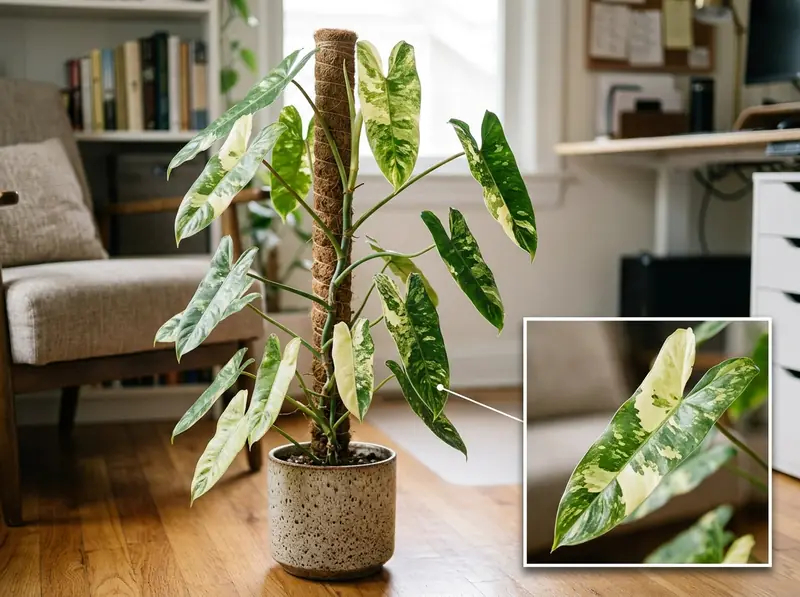 AI-generated
Ilsemanii Philodendron
Philodendron ilsemanii
- Bright, indirect light
- Moderate watering
Toxic to cats and dogs AI-generated
 AI-generated
 AI-generated