
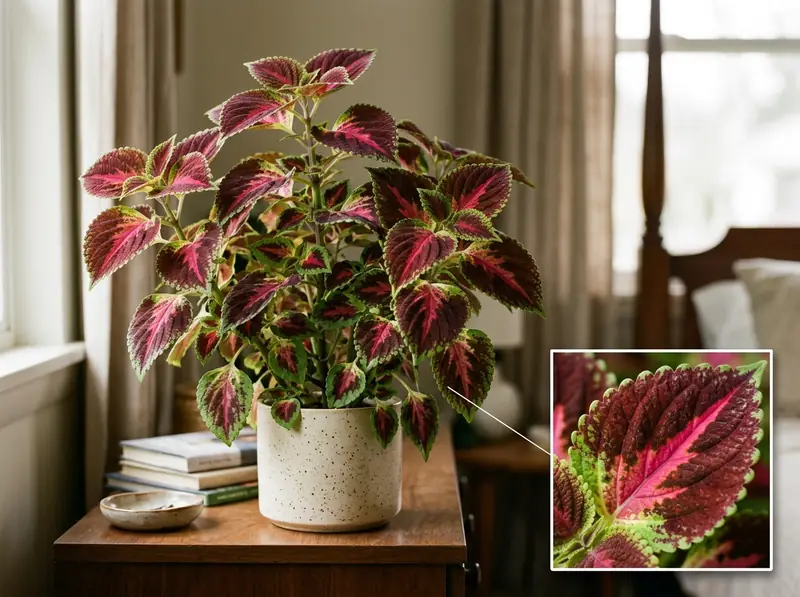
 AI-generated
Coleus
Plectranthus scutellarioides
Coleus is a fast-growing foliage plant prized for its bold, multicolored leaves in shades of red, pink, yellow, and green. It needs bright light and steady moisture to look its best, and it wilts dramatically when thirsty but usually recovers quickly. Pinch it regularly to keep it full, and start new plants from cuttings as older ones get woody.
Saving is free with a KinClub account, and it works here and in the KinClub app. Sign up free
Care profile
- Light
- Bright, indirect lightLow → direct sun
- Water
- Keep moistAbout every 5 days
- Difficulty
- Easy to moderateTricky → easy
- Coldest it tolerates
- 50°F
- Humidity
- Medium
- Mature size
- MediumSmall → tree-size
- Growth rate
- Fast
- How common
- Very commonRare → everywhere
- Plant family
- Lamiaceae
Pets and toxicity
Cats and dogs: not yet checked
Not yet checked against ASPCA — don't assume it's safe for pets.
No toxicity source on record for this plant yet. If a pet eats any houseplant, call your vet or an animal poison helpline.
How to care for Coleus
Light
Give bright light, such as an east or south window with a few hours of gentle sun. Indoors, strong light is needed to keep the leaf colors vivid; shade from hot midday sun in summer.
Watering
Keep the soil evenly damp but not soggy, usually watering every 4 to 6 days in the growing season. Water when the top half inch feels slightly dry, and never let it dry out completely, as coleus wilts fast.
Soil
Use a fertile, well-draining all-purpose potting mix with some perlite added. The pot must have drainage holes.
Feeding
Feed every 2 to 4 weeks in spring and summer with a balanced liquid houseplant fertilizer at half the labeled strength. Stop or reduce feeding in winter.
Repotting
Repot in spring when roots fill the pot or poke out the drainage holes, moving up one pot size (about 2 inches wider). Many growers simply replace old plants with fresh cuttings every year or two.
Propagation
Take 4 to 6 inch stem cuttings just below a node and remove the lower leaves. Root them in a glass of water or moist potting mix; roots usually form within 1 to 2 weeks.
Common problems
- Leggy, sparse growth: move to brighter light and pinch back the tips to encourage branching.
- Sudden wilting: check the soil, and water thoroughly if dry; the plant typically recovers within hours.
- Cottony white clusters on stems or leaf joints (mealybugs): dab with rubbing alcohol on a cotton swab and repeat weekly.
- Flower spikes forming and leaves getting smaller: pinch off the spikes early to keep energy going into foliage.
- Leaf drop and yellowing in winter: keep the plant above 55°F, away from cold drafts, and water less often.
Similar plants
Same light needs and difficulty.
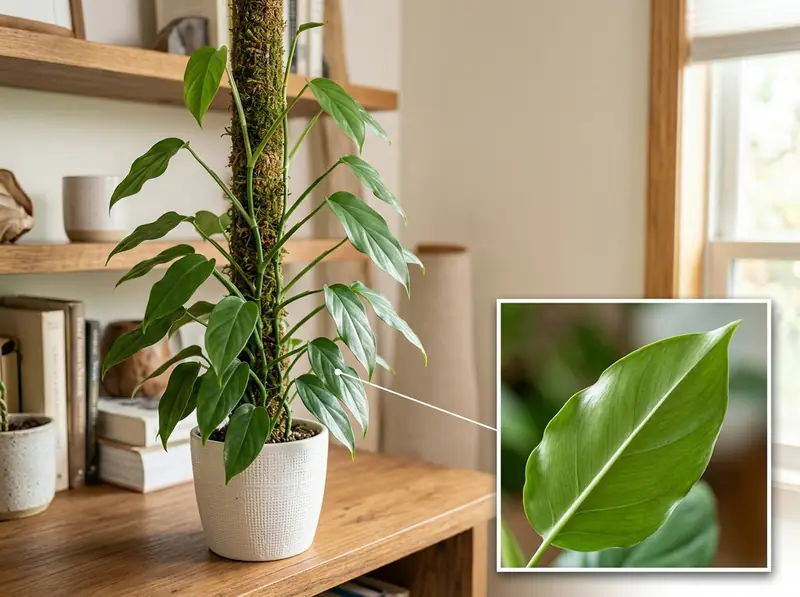 AI-generated
Zippelianum Amydrium
Amydrium zippelianum
- Bright, indirect light
- Moderate watering
Pets: not yet checked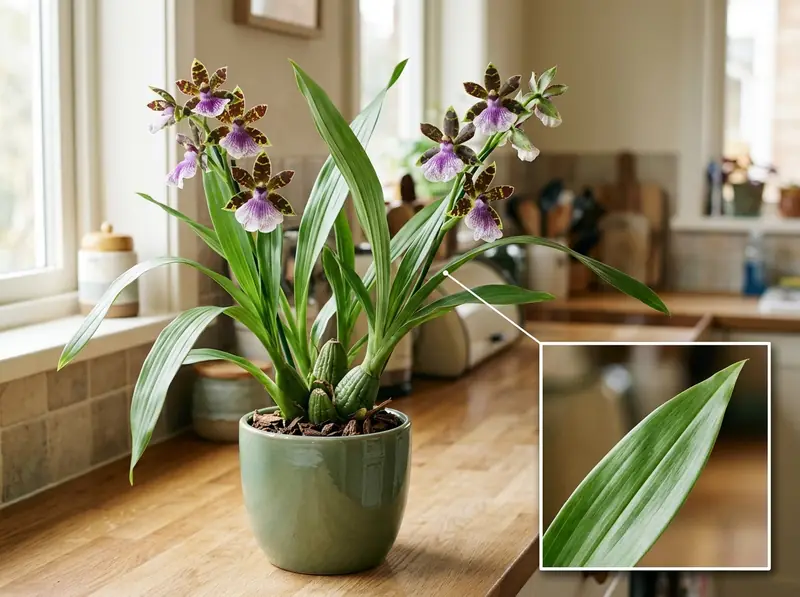 AI-generated
Zygo Orchid
Zygopetalum hybrids
- Bright, indirect light
- Moderate to moist watering
Pets: not yet checked AI-generated
 AI-generated