
 AI-generated
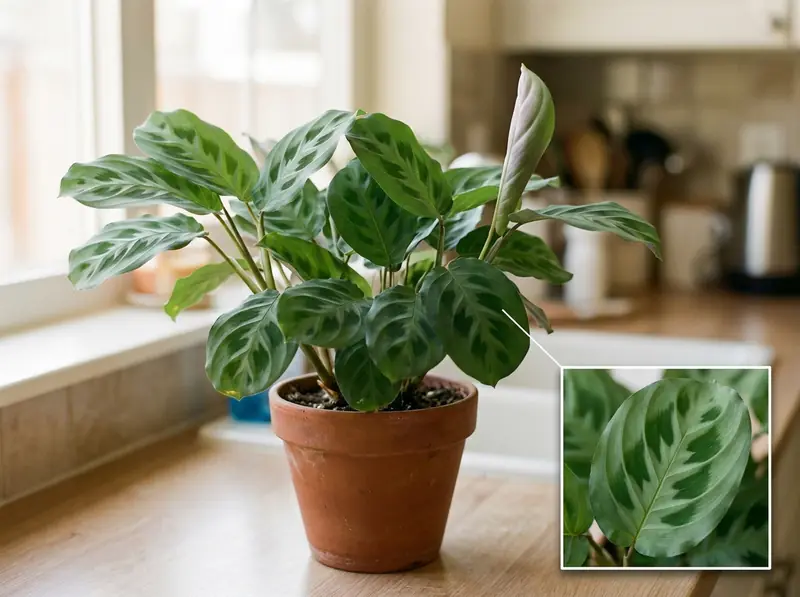
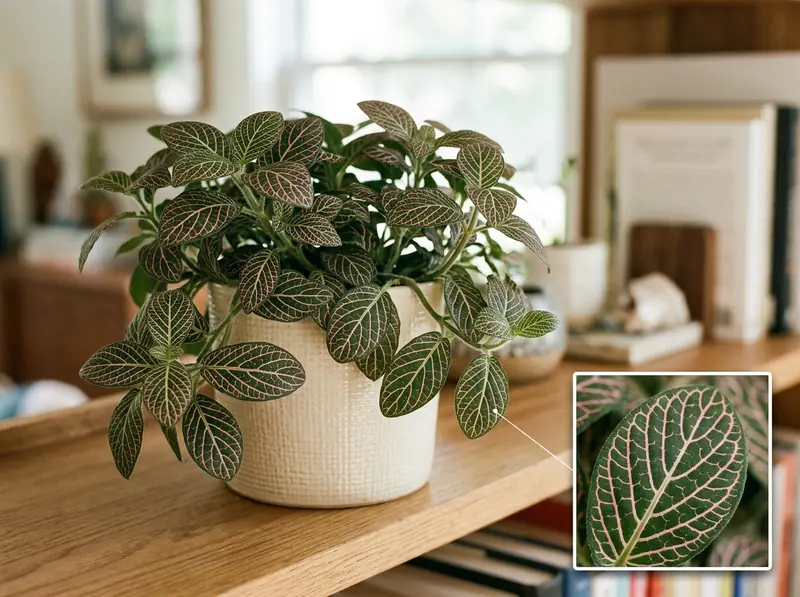
Crested Prayer Plant
Maranta cristata
Also known as Calathea bicolor, Calathea kerchoveana, Calathea lageriana
Crested prayer plant is a compact, low-growing plant with patterned leaves that fold upward at night. It does best with steady moisture, high humidity and bright, indirect light. Use filtered water and keep it away from drafts and dry heat to avoid brown leaf edges.
Saving is free with a KinClub account, and it works here and in the KinClub app. Sign up free
Care profile
- Light
- Medium to bright, indirect lightLow → direct sun
- Water
- Keep moistAbout every 7 days
- Difficulty
- ModerateTricky → easy
- Coldest it tolerates
- 60°F
- Humidity
- High
- Mature size
- SmallSmall → tree-size
- Growth rate
- Moderate
- How common
- CommonRare → everywhere
- Plant family
- Marantaceae
Pets and toxicity
Cats and dogs: not yet checked
Not yet checked against ASPCA — don't assume it's safe for pets.
Source: ASPCA toxic and non-toxic plants. If a pet eats any houseplant, call your vet or an animal poison helpline.
How to care for Crested Prayer Plant
Light
Give it bright, indirect light or medium light, such as a spot a few feet back from an east-facing window. Direct sun scorches the leaves.
Watering
Keep the soil lightly and evenly damp, watering when the top half inch feels dry, roughly every 7 days in the growing season. Water less in winter and never let the pot sit in standing water.
Soil
Use a peat-based or coco-coir potting mix with some perlite added, about one part perlite to three parts mix. It should hold moisture but drain freely.
Feeding
Feed every 4 weeks in spring and summer with a balanced liquid houseplant fertilizer diluted to half strength. Skip feeding in fall and winter.
Repotting
Repot every 1 to 2 years in spring, going up only 1 to 2 inches in pot diameter. It has shallow roots, so a wide, shallow pot suits it well.
Propagation
Divide the plant at repotting, making sure each clump has roots and several leaves. Stem cuttings with a node can also root in water or moist mix in warm, humid conditions.
Common problems
- Brown, crispy leaf tips: usually dry air or mineral-rich tap water. Raise humidity with a pebble tray or humidifier and use filtered water.
- Curling leaves: the soil has dried out too much. Water thoroughly and keep the soil evenly damp.
- Fine webbing and speckled leaves: spider mites. Rinse the leaves, wipe them, and treat with insecticidal soap every 5 to 7 days.
- Yellow leaves with soggy soil: overwatering or poor drainage. Let the top of the soil dry slightly and make sure the pot drains.
Similar plants
Same light needs and difficulty.
 AI-generated
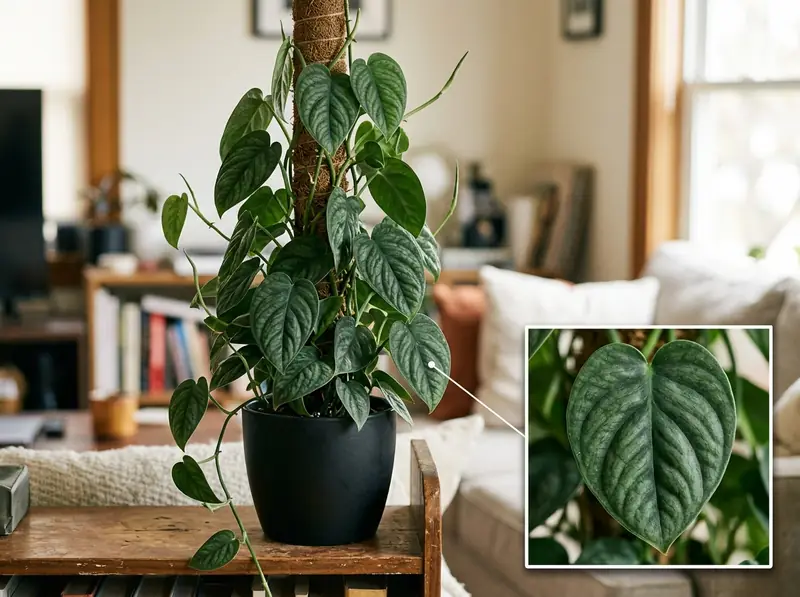
Mayari Scindapsus
Scindapsus mayari
- Medium to bright, indirect light
- Dry to moderate watering
Toxic to cats and dogs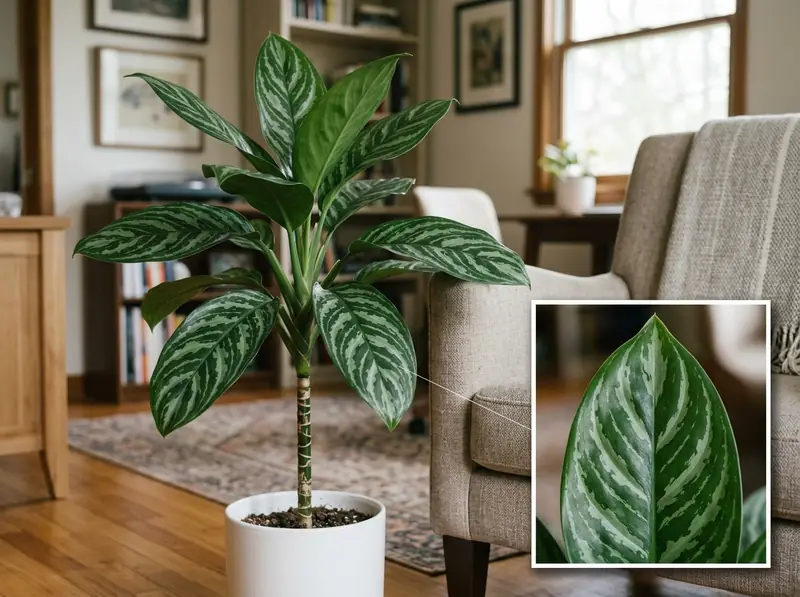 AI-generated
Queen of Dracaenas
Dracaena goldieana
- Medium to bright, indirect light
- Moderate watering
Toxic to cats and dogs AI-generated
 AI-generated