
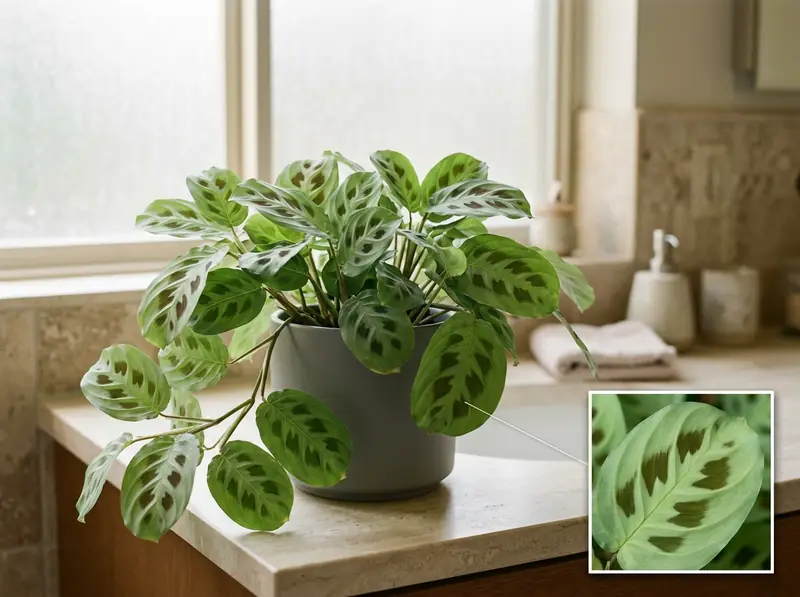
 AI-generated
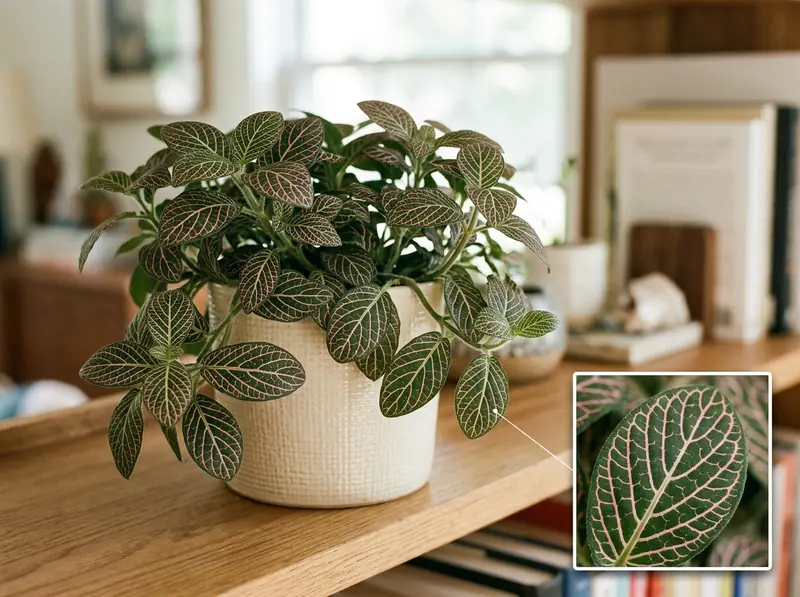
Nerve Plant
Fittonia albivenis
Also known as Jewel Plant, Silver Nerve, Mosaic Plant, Silver Threads, Fittonia verschaffeltii
Nerve plant is a low, spreading foliage plant with dark green leaves veined in white, pink or red. It likes steady moisture, humidity and gentle light, and it wilts dramatically when dry but bounces back quickly. It suits terrariums, bathrooms and shelves away from direct sun.
Saving is free with a KinClub account, and it works here and in the KinClub app. Sign up free
Care profile
- Light
- Medium lightLow → direct sun
- Water
- Keep moistAbout every 5 days
- Difficulty
- ModerateTricky → easy
- Coldest it tolerates
- 60°F
- Humidity
- High
- Mature size
- SmallSmall → tree-size
- Growth rate
- Moderate
- How common
- Very commonRare → everywhere
- Plant family
- Acanthaceae
Pets and toxicity
Non-toxic to cats
Listed as non-toxic to cats by the ASPCA.
Non-toxic to dogs
Listed as non-toxic to dogs by the ASPCA.
Source: ASPCA toxic and non-toxic plants. If a pet eats any houseplant, call your vet or an animal poison helpline.
How to care for Nerve Plant
Light
Give it medium to bright-indirect light, such as a spot a few feet from an east or north window. Avoid direct sun, which scorches the thin leaves.
Watering
Keep the soil evenly damp but never soggy, usually watering every 4 to 6 days when the top half inch feels barely dry. Use room-temperature water and empty the saucer after watering.
Soil
Use a light, peat-based potting mix with some perlite added (about one part perlite to three parts mix) so it holds moisture yet drains freely.
Feeding
Feed every 3 to 4 weeks in spring and summer with a balanced houseplant fertiliser diluted to half strength. Skip feeding in winter.
Repotting
Repot every year or two in spring into a pot only 1 to 2 inches wider. Shallow, wide pots suit its spreading roots.
Propagation
Take 2 to 3 inch tip cuttings with at least two leaf pairs in spring or summer. Root them in water or moist mix under a clear cover, and they root in 2 to 3 weeks.
Common problems
- Sudden wilting: the plant is thirsty, so soak the pot thoroughly and it should recover within hours.
- Brown, crispy leaf edges: air is too dry, so group with other plants, use a pebble tray, or grow in a terrarium or humid room.
- Leggy, sparse stems: pinch back the tips regularly and move to brighter indirect light to keep growth bushy.
- Yellow leaves and mushy stems: overwatering or poor drainage, so let the top of the soil dry slightly and check drainage holes.
- Mealybugs on stem joints: dab with cotton swabs dipped in rubbing alcohol and repeat weekly until gone.
Similar plants
Same light needs and difficulty.
 AI-generated
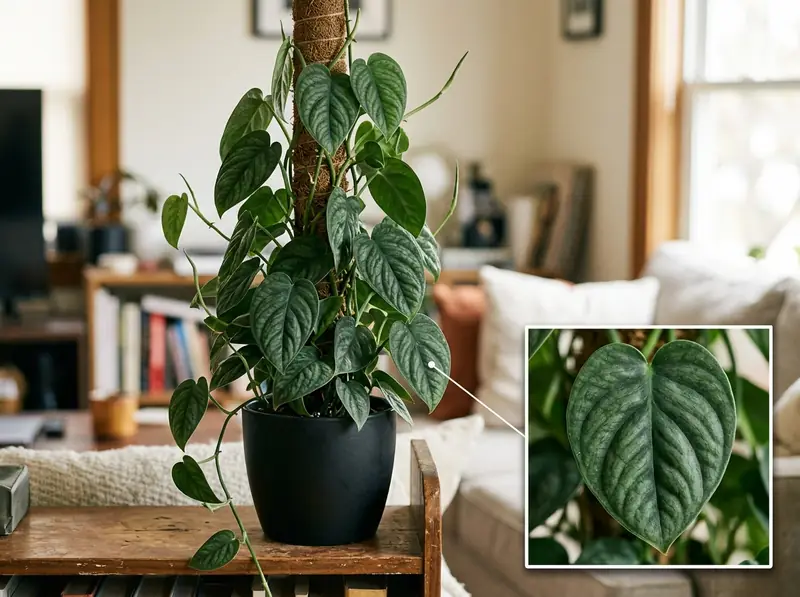
Mayari Scindapsus
Scindapsus mayari
- Medium to bright, indirect light
- Dry to moderate watering
Toxic to cats and dogs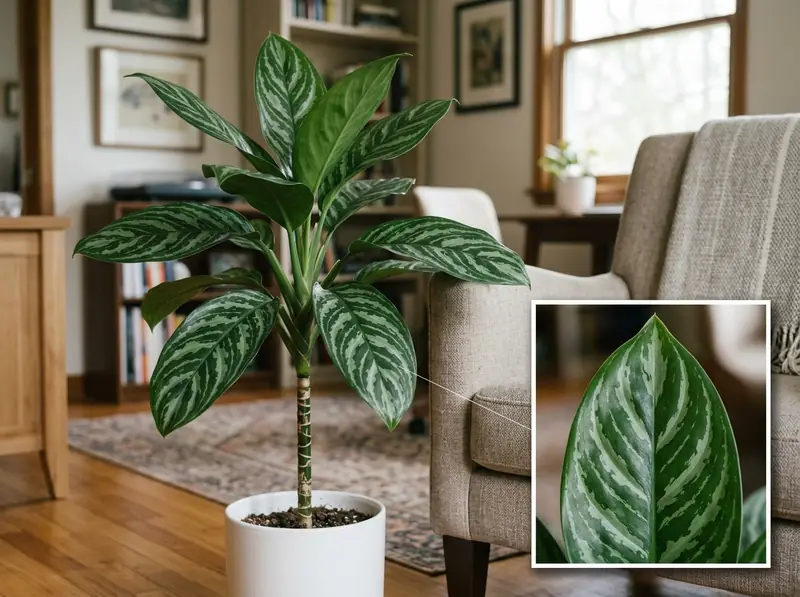 AI-generated
Queen of Dracaenas
Dracaena goldieana
- Medium to bright, indirect light
- Moderate watering
Toxic to cats and dogs AI-generated
 AI-generated