
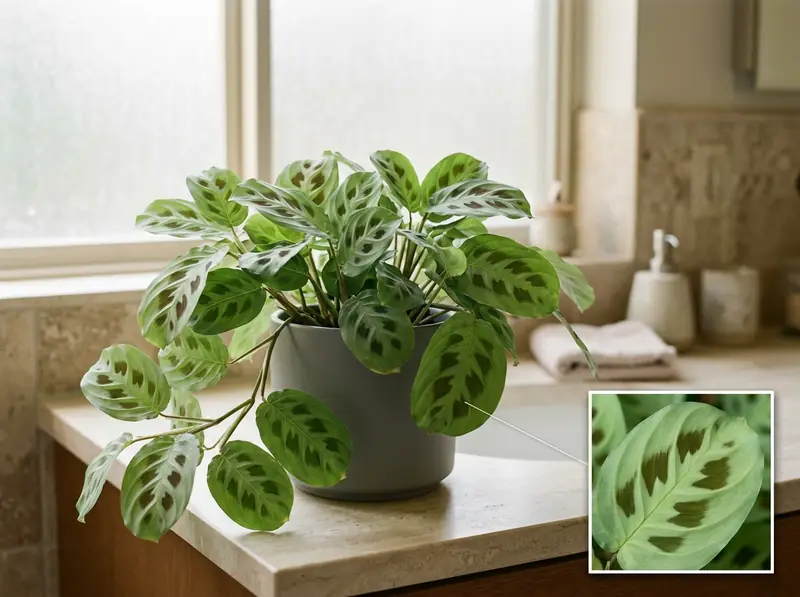
 AI-generated
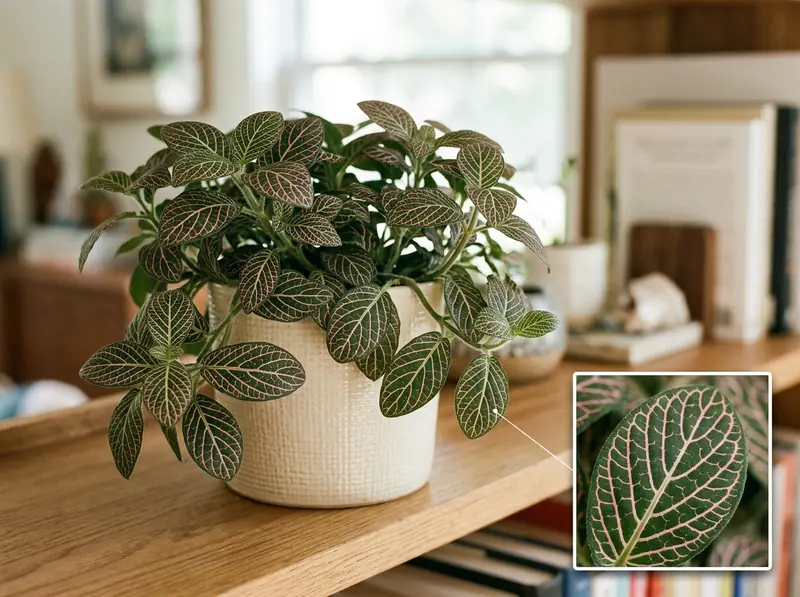
Prayer Plant
Maranta leuconeura
Also known as Calathea fascinator, Calathea kerchoveana, Calathea leuconeura, Calathea massangeana
Prayer plant is a low, spreading foliage plant known for patterned leaves that fold upward at night. It does best with bright-indirect light, evenly damp soil, and higher humidity. Dry air and hard tap water are the most common causes of brown leaf edges.
Saving is free with a KinClub account, and it works here and in the KinClub app. Sign up free
Care profile
- Light
- Medium to bright, indirect lightLow → direct sun
- Water
- Keep moistAbout every 7 days
- Difficulty
- ModerateTricky → easy
- Coldest it tolerates
- 60°F
- Humidity
- High
- Mature size
- SmallSmall → tree-size
- Growth rate
- Moderate
- How common
- Very commonRare → everywhere
- Plant family
- Marantaceae
Pets and toxicity
Cats and dogs: not yet checked
Not yet checked against ASPCA — don't assume it's safe for pets.
Source: ASPCA toxic and non-toxic plants. If a pet eats any houseplant, call your vet or an animal poison helpline.
How to care for Prayer Plant
Light
Give it medium to bright-indirect light, such as a few feet back from an east window. Avoid direct sun, which fades and scorches the leaves.
Watering
Keep the soil evenly damp but never soggy, usually watering about once a week when the top half-inch feels dry. Use lukewarm, filtered or rain water if possible, and water less in winter.
Soil
Use a light, peat-based potting mix with some perlite for drainage, so it holds moisture but does not stay waterlogged. The pot must have drainage holes.
Feeding
Feed every 3 to 4 weeks in spring and summer with a balanced liquid houseplant fertilizer diluted to half strength. Skip feeding in winter.
Repotting
Repot every 1 to 2 years in spring, going up only 1 to 2 inches in pot size. A wide, shallow pot suits its shallow roots.
Propagation
Divide the plant at repotting, separating clumps with roots attached. You can also take stem cuttings with a node and root them in water or moist mix under a clear cover.
Common problems
- Brown, crispy leaf edges: raise humidity, water more consistently, and use filtered water.
- Leaves curling and not opening at night: check the soil for dryness and water thoroughly.
- Faded or scorched leaves: move further from the window out of direct sun.
- Tiny webbing and speckled leaves mean spider mites: rinse the leaves, wipe the undersides, and treat with insecticidal soap.
- Yellowing leaves with wet soil: let the top of the soil dry slightly and check for root rot.
Similar plants
Same light needs and difficulty.
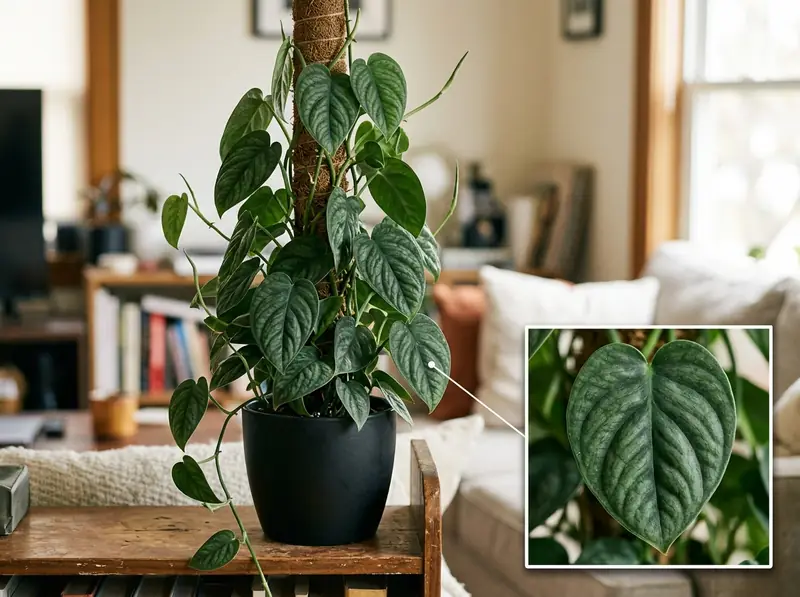 AI-generated
Mayari Scindapsus
Scindapsus mayari
- Medium to bright, indirect light
- Dry to moderate watering
Toxic to cats and dogs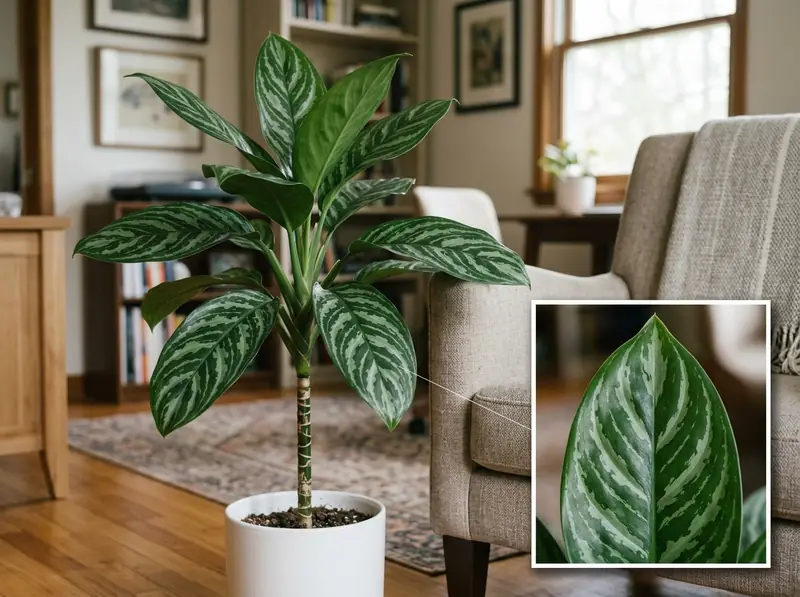 AI-generated
Queen of Dracaenas
Dracaena goldieana
- Medium to bright, indirect light
- Moderate watering
Toxic to cats and dogs AI-generated
 AI-generated