
 AI-generated
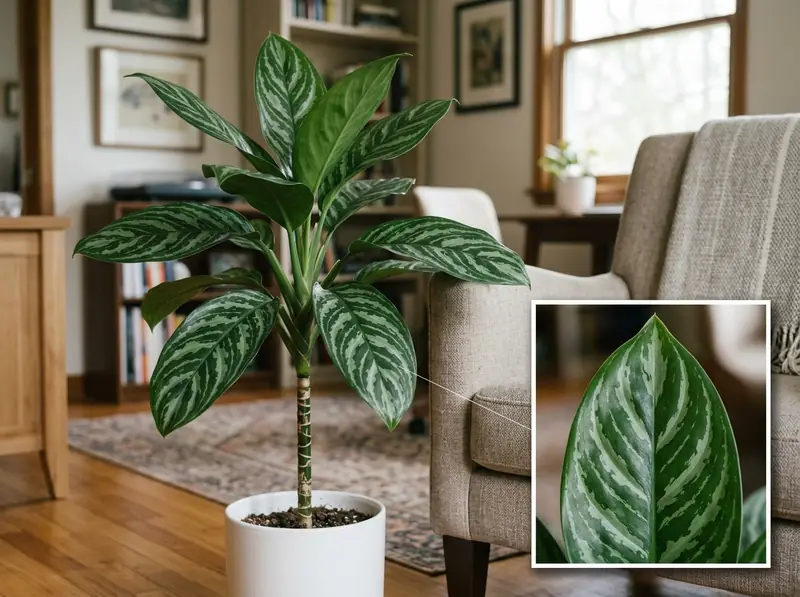
Queen of Dracaenas
Dracaena goldieana
Queen of Dracaenas is a rainforest dracaena with broad, glossy leaves banded in silver-gray, and it can climb with age. It enjoys steady warmth and humid air, so a bright bathroom or a spot near a humidifier suits it well.
Saving is free with a KinClub account, and it works here and in the KinClub app. Sign up free
Care profile
- Light
- Medium to bright, indirect lightLow → direct sun
- Water
- Moderate wateringAbout every 9 days
- Difficulty
- ModerateTricky → easy
- Coldest it tolerates
- 60°F
- Humidity
- High
- Mature size
- MediumSmall → tree-size
- Growth rate
- Slow
- How common
- EnthusiastRare → everywhere
- Plant family
- Asparagaceae
Pets and toxicity
Toxic to cats
Keep away from cats. Call your vet or a pet poison helpline if a cat chews it.
Toxic to dogs
Keep away from dogs. Call your vet or a pet poison helpline if a dog chews it.
Source: ASPCA toxic and non-toxic plants. If a pet eats any houseplant, call your vet or an animal poison helpline.
How to care for Queen of Dracaenas
Light
Medium to bright indirect light, such as a few feet back from an east or north window. Direct sun scorches the banded leaves, while deep shade dulls the silver-gray patterning.
Watering
Water when the top 1 to 2 inches of soil are dry, about every 9 days in summer and less in winter. Use rainwater or distilled water if your tap water is hard or fluoridated.
Soil
A loose, peaty potting mix with some perlite or bark for drainage. Keep the pot draining freely and never let it sit in a saucer of water.
Feeding
Feed monthly in spring and summer with a half-strength balanced liquid fertilizer. Skip feeding in fall and winter.
Repotting
Repot every 2 to 3 years in spring only when roots circle the pot. It grows slowly and does best slightly pot-bound.
Propagation
Take 4 to 6 inch stem tip cuttings or cane sections in spring and root them in moist, warm mix, ideally with a clear bag for humidity. Rooting takes several weeks.
Common problems
- Brown leaf tips from dry air or fluoride in tap water: raise humidity and switch to filtered or rainwater.
- Spider mites show as fine webbing and stippled leaves in dry rooms: rinse the foliage and wipe leaves regularly.
- Yellowing lower leaves from soggy soil: let it dry between waterings and check that the pot drains.
Similar plants
Same light needs and difficulty.
 AI-generated
 AI-generated
 AI-generated
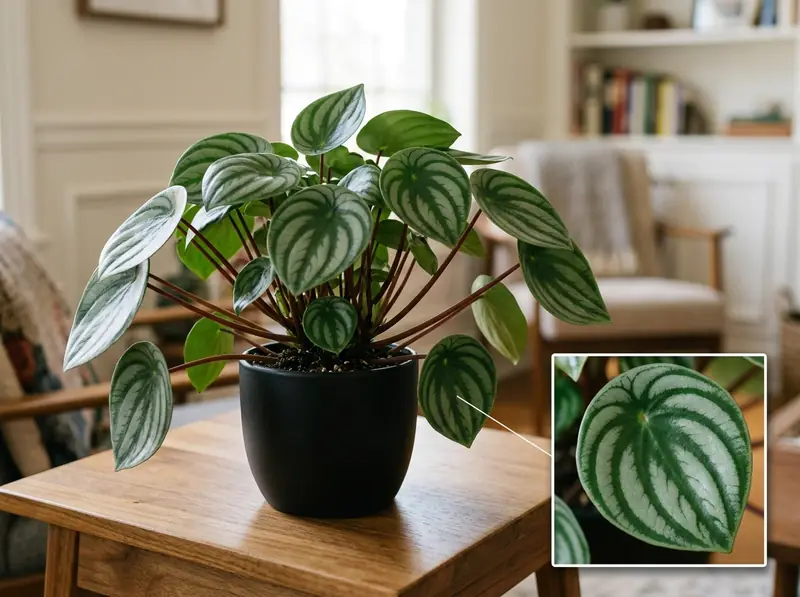 AI-generated
Watermelon Peperomia
Peperomia argyreia
- Medium to bright, indirect light
- Dry to moderate watering
Non-toxic to cats and dogs