
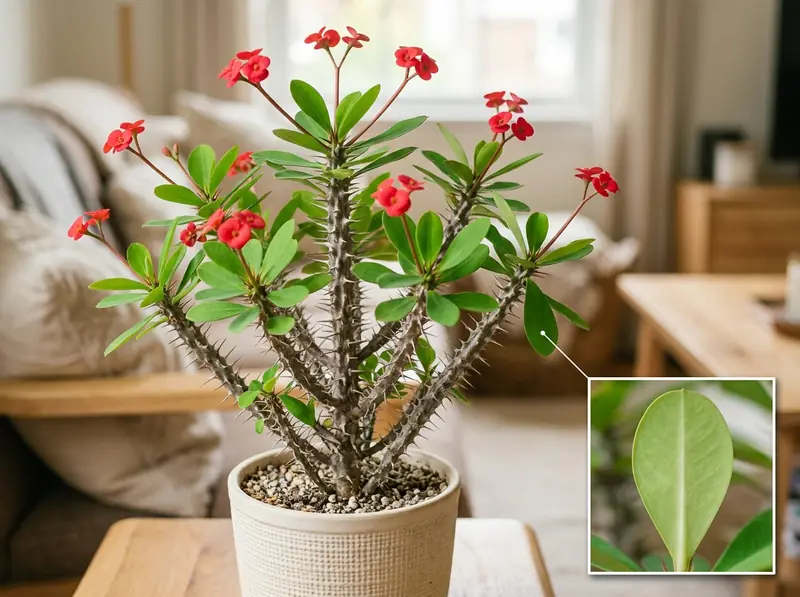
 AI-generated
Crown of Thorns
Euphorbia milii
Crown of Thorns is a tough, spiny succulent shrub that produces small red, pink or yellow bracts nearly all year when given enough sun. It likes a sunny window, gritty soil and infrequent watering, making it a good choice for forgetful beginners. Handle it with care, since the spines are sharp and the sap is sticky and irritating to skin.
Saving is free with a KinClub account, and it works here and in the KinClub app. Sign up free
Care profile
- Light
- Direct sunLow → direct sun
- Water
- Let it dry outAbout every 14 days
- Difficulty
- EasyTricky → easy
- Coldest it tolerates
- 50°F
- Humidity
- Low
- Mature size
- MediumSmall → tree-size
- Growth rate
- Slow to moderate
- How common
- Very commonRare → everywhere
- Plant family
- Euphorbiaceae
Pets and toxicity
Cats and dogs: not yet checked
Not yet checked against ASPCA — don't assume it's safe for pets.
No toxicity source on record for this plant yet. If a pet eats any houseplant, call your vet or an animal poison helpline.
How to care for Crown of Thorns
Light
Give it at least 4-6 hours of direct sun, such as a south or west window. It flowers best in strong light and can bloom nearly year-round when bright enough.
Watering
Soak thoroughly, then let the soil dry out almost completely before watering again, usually every 10-14 days in summer. In winter water only every 3-4 weeks, just enough to keep stems from shriveling.
Soil
Use a gritty cactus and succulent mix, or standard potting mix blended about 1:1 with perlite or coarse sand. Choose a pot with drainage holes, ideally unglazed terracotta.
Feeding
Feed with a half-strength balanced or cactus fertilizer every 4-6 weeks from spring through summer. Skip feeding in fall and winter.
Repotting
Repot every 2-3 years in spring, only moving up 1-2 inches in pot diameter, as it blooms well when slightly snug. Wear gloves to avoid the sap.
Propagation
Take 3-4 inch stem tip cuttings in spring or summer, rinse off the sap, and let them callus for 2-3 days. Plant in gritty mix and keep barely moist until roots form in a few weeks.
Common problems
- Leaves drop in winter or after a move: this is normal stress; keep it in bright light, water sparingly and avoid drafts.
- Yellow leaves with soft stems: overwatering or root rot; let the soil dry fully, and cut away and re-root healthy tips if the base is mushy.
- Leggy growth and no flowers: too little light; move to the sunniest window and prune back in spring.
- White cottony clusters on stems: mealybugs; dab with rubbing alcohol on a cotton swab and repeat weekly.
- Fine webbing and stippled leaves: spider mites; rinse the plant and treat with insecticidal soap.
Similar plants
Same light needs and difficulty.
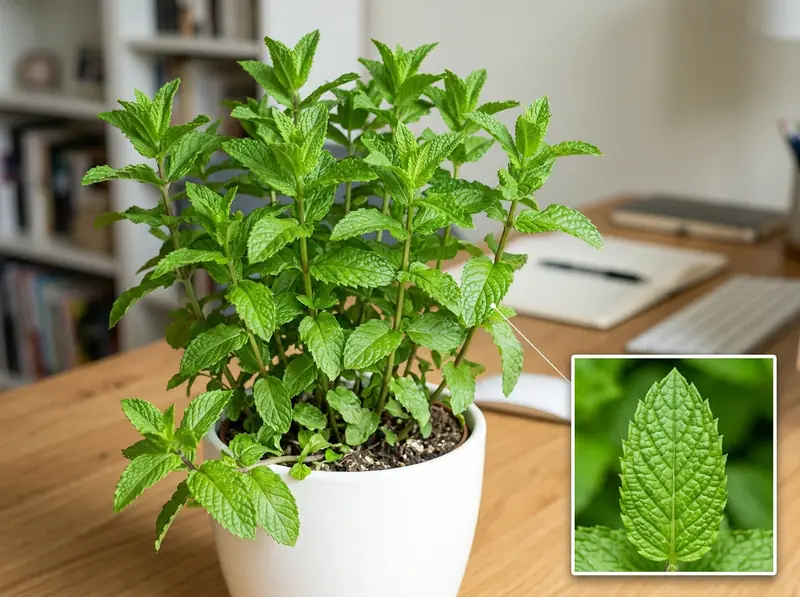 AI-generated
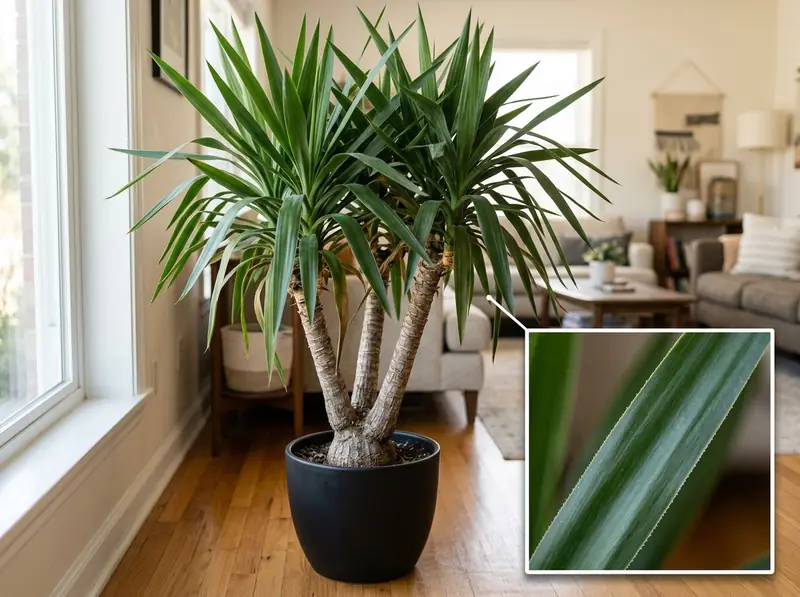 AI-generated
Spineless Yucca
Yucca elephantipes
- Bright, indirect to direct sun
- Let it dry out
Toxic to cats and dogs AI-generated
 AI-generated