
 AI-generated
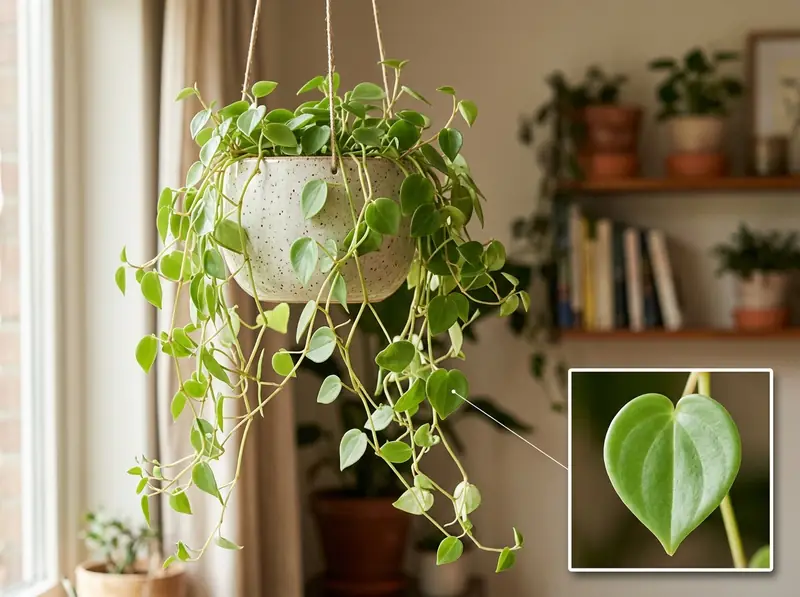
Cupid Peperomia
Peperomia scandens
Also known as Vining Peperomia
Cupid Peperomia is a small trailing plant with heart-shaped, slightly fleshy leaves on thin vines. It suits hanging baskets and shelves. It is easy to grow if you let the soil dry between waterings and give it bright, indirect light.
Saving is free with a KinClub account, and it works here and in the KinClub app. Sign up free
Care profile
- Light
- Bright, indirect lightLow → direct sun
- Water
- Let it dry outAbout every 10 days
- Difficulty
- EasyTricky → easy
- Coldest it tolerates
- 50°F
- Humidity
- Medium
- Mature size
- SmallSmall → tree-size
- Growth rate
- Moderate to fast
- How common
- CommonRare → everywhere
- Plant family
- Piperaceae
Pets and toxicity
Non-toxic to cats
Listed as non-toxic to cats by the ASPCA.
Non-toxic to dogs
Listed as non-toxic to dogs by the ASPCA.
Source: ASPCA toxic and non-toxic plants. If a pet eats any houseplant, call your vet or an animal poison helpline.
How to care for Cupid Peperomia
Light
Give it bright, indirect light, such as a spot a few feet from an east or north-facing window. It also copes with medium light, but growth gets leggy. Keep it out of direct afternoon sun.
Watering
Water thoroughly when the top 1–2 inches of soil are dry, usually every 7–14 days in the growing season. Empty the saucer after watering. Water less in winter, as the semi-succulent leaves and stems store some moisture.
Soil
Use a light, well-draining potting mix, for example 2 parts standard indoor mix to 1 part perlite or orchid bark. The pot must have drainage holes.
Feeding
From spring to early autumn, feed every 4–6 weeks with a balanced houseplant fertilizer diluted to half strength. Don't feed in winter.
Repotting
It has a small root system and likes being snug, so repot only every 2–3 years, or when roots come out of the drainage holes. Move up just one pot size, about 1–2 inches wider, in spring.
Propagation
Take 3–4 inch stem cuttings with at least two leaves. Root them in water or moist mix, and they root in 2–4 weeks. Plant several cuttings together in one pot for a fuller look.
Common problems
- Leaf drop or yellow, mushy leaves: usually overwatering. Let the soil dry out more, and check that the pot drains freely.
- Long bare stems with small leaves: not enough light. Move to a brighter spot and pinch back the tips.
- Wrinkled, limp leaves: the plant is thirsty. Water thoroughly and then keep to a steadier schedule.
- Cottony white clusters in leaf joints: mealybugs. Dab them with rubbing alcohol on a cotton swab and repeat weekly until they are gone.
- Brown, crispy leaf edges: dry air or too much direct sun. Move it away from heaters and strong sun.
Similar plants
Same light needs and difficulty.
 AI-generated
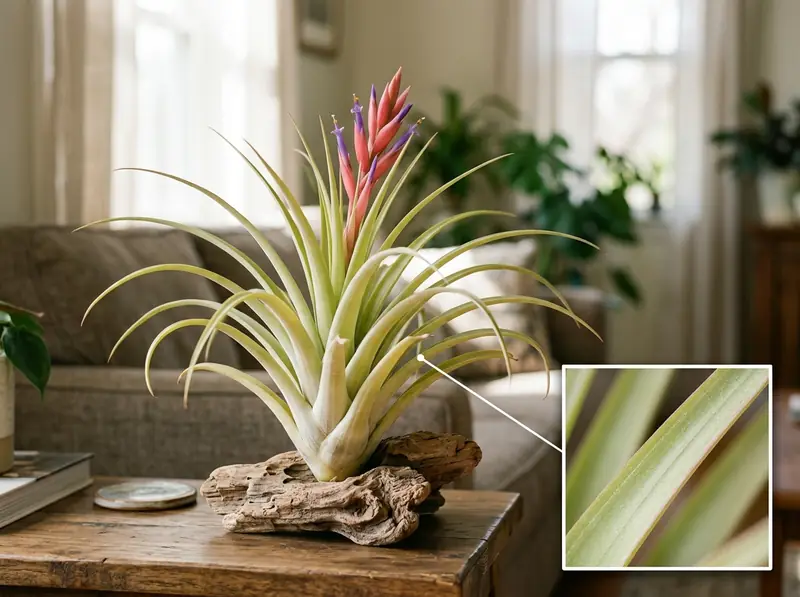
Leiboldiana Air Plant
Tillandsia leiboldiana
- Bright, indirect light
- Let it dry out
Pets: not yet checked AI-generated
 AI-generated
Chinese Money Plant
Pilea peperomioides
- Bright, indirect light
- Dry to moderate watering
Pets: not yet checked AI-generated
Christmas Cactus
Schlumbergera × buckleyi
- Bright, indirect light
- Moderate watering
Pets: not yet checked