
 AI-generated
Duvalia
Duvalia corderoyi
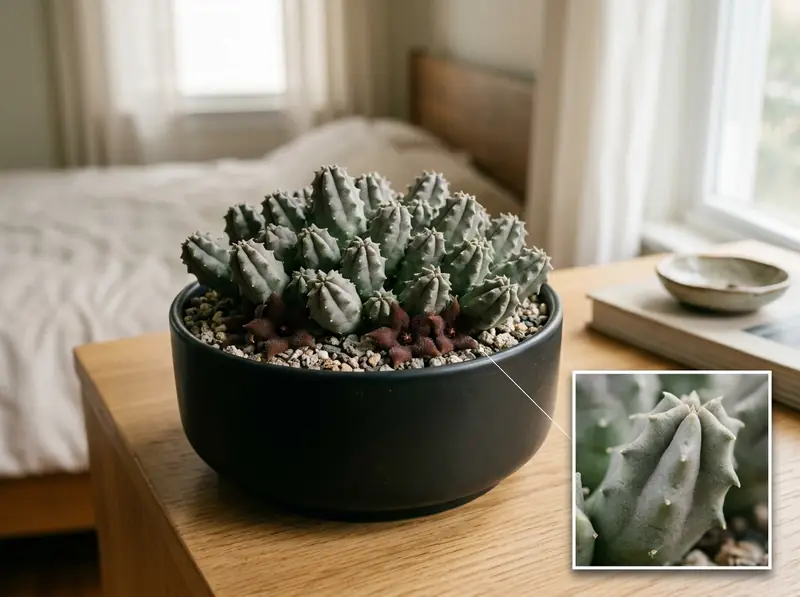
Duvalia corderoyi is a small, slow-growing succulent from southern Africa with clumping, gray-green, angular stems. In late summer it produces flat, star-shaped, dark maroon-brown flowers. It is easy to keep if the soil is gritty and you never let it stay wet, especially in winter.
Saving is free with a KinClub account, and it works here and in the KinClub app. Sign up free
Care profile
- Light
- Bright, indirect lightLow → direct sun
- Water
- Let it dry outAbout every 21 days
- Difficulty
- ModerateTricky → easy
- Coldest it tolerates
- 50°F
- Humidity
- Low
- Mature size
- SmallSmall → tree-size
- Growth rate
- Slow
- How common
- EnthusiastRare → everywhere
- Plant family
- Apocynaceae
Pets and toxicity
Cats and dogs: not yet checked
Not yet checked against ASPCA — don't assume it's safe for pets.
No toxicity source on record for this plant yet. If a pet eats any houseplant, call your vet or an animal poison helpline.
How to care for Duvalia
Light
Give it a bright spot with a few hours of gentle morning or late-afternoon sun, such as an east or lightly shaded south window. Shade it from hot midday sun, which can scorch the stems.
Watering
Soak the soil thoroughly, then wait until it is completely dry, usually every 3 weeks in summer. Water very little or not at all in winter, only enough to stop the stems shriveling badly.
Soil
Use a gritty cactus and succulent mix with extra pumice or coarse sand, roughly half mineral grit. Use a pot with drainage holes, ideally unglazed clay.
Feeding
Feed 2 or 3 times in the growing season (spring to late summer) with a cactus fertilizer at half strength. Do not feed in autumn or winter.
Repotting
Repot every 2 to 3 years in spring, only when the clump fills the pot. Choose a wide, shallow pot, and wait about a week before watering to let damaged roots heal.
Propagation
Cut a stem section in spring or summer, let the cut end callus for several days to a week, then set it on dry gritty mix. Water lightly once roots form after a few weeks.
Common problems
- Soft, blackening stem bases are rot from overwatering: cut off healthy stems above the damage, let them callus, and replant in fresh dry grit.
- Cottony white patches between the stem ridges are mealybugs: dab with cotton swab dipped in rubbing alcohol and repeat weekly.
- No flowers: usually too little light or a warm winter. Provide brighter light and a cool, dry winter rest.
- Shriveled stems in the growing season mean it is too dry: give a thorough soak and check that roots are healthy.
Similar plants
Same light needs and difficulty.
 AI-generated
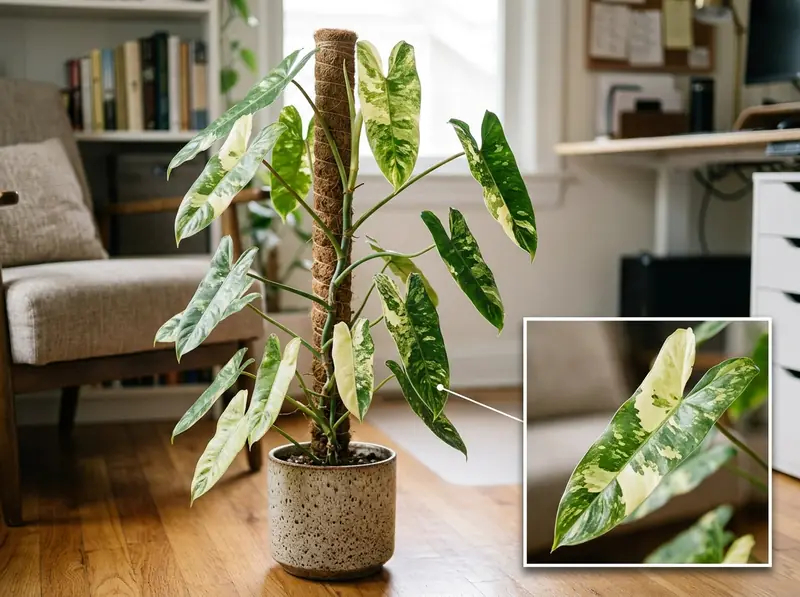
Ilsemanii Philodendron
Philodendron ilsemanii
- Bright, indirect light
- Moderate watering
Toxic to cats and dogs AI-generated
 AI-generated
 AI-generated