
 AI-generated
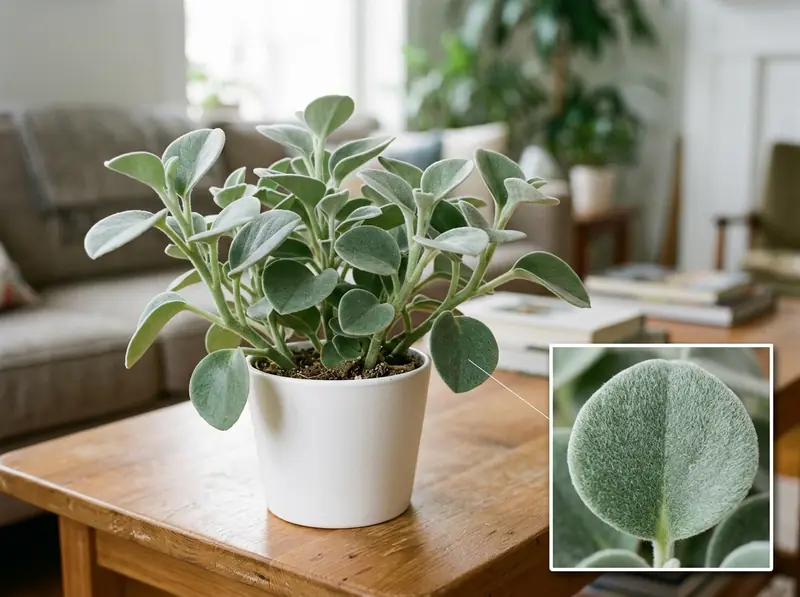
Felted Peperomia
Peperomia incana
Felted peperomia is a compact, slow-growing plant with thick, silvery-green leaves covered in soft fuzz. It stores water in its leaves, so it does best with bright indirect light and a dry spell between waterings. It is forgiving of ordinary home humidity and suits a sunny shelf or desk.
Saving is free with a KinClub account, and it works here and in the KinClub app. Sign up free
Care profile
- Light
- Bright, indirect lightLow → direct sun
- Water
- Let it dry outAbout every 14 days
- Difficulty
- EasyTricky → easy
- Coldest it tolerates
- 50°F
- Humidity
- Low
- Mature size
- SmallSmall → tree-size
- Growth rate
- Slow
- How common
- CommonRare → everywhere
- Plant family
- Piperaceae
Pets and toxicity
Cats and dogs: not yet checked
Not yet checked against ASPCA — don't assume it's safe for pets.
No toxicity source on record for this plant yet. If a pet eats any houseplant, call your vet or an animal poison helpline.
How to care for Felted Peperomia
Light
Give it bright, indirect light, such as a spot near an east window or a few feet back from a south or west window. Gentle morning sun is fine, but avoid hot midday sun, which scorches the felted leaves.
Watering
Water thoroughly, then let the soil dry out almost completely before watering again, usually every 2 to 3 weeks in the growing season and less in winter. Water at the soil level and avoid wetting the leaves.
Soil
Use a fast-draining mix, such as cactus or succulent mix, or standard potting mix with about one-third perlite or coarse sand. Choose a pot with drainage holes.
Feeding
Feed about once a month in spring and summer with a balanced houseplant fertilizer diluted to half strength. Do not feed in fall and winter.
Repotting
Repot only every 2 to 3 years, in spring, when roots fill the pot. Go up just one pot size (about 1 inch wider), as the small root system rots easily in too much soil.
Propagation
Take a stem or leaf-with-stem cutting in spring or summer, let the cut end dry for a day, and push it into light, gritty mix. Keep it barely moist in bright light, and roots form in about 3 to 6 weeks.
Common problems
- Soft, mushy stems at the base: this is rot from overwatering. Cut off healthy tops, re-root them in fresh gritty mix, and water less often.
- Leggy growth with pale leaves: the light is too low. Move it to a brighter spot and trim back stretched stems to encourage branching.
- White cottony spots in leaf joints are mealybugs. Dab them with cotton swabs dipped in rubbing alcohol and repeat weekly until gone.
- Wrinkled, limp leaves: the plant is too dry. Give it a thorough soak and then return to a regular schedule.
Similar plants
Same light needs and difficulty.
 AI-generated
 AI-generated
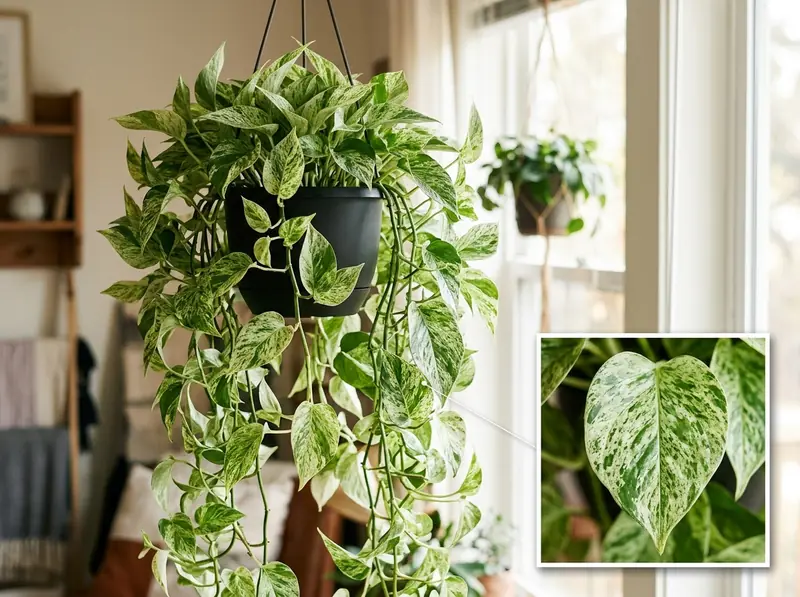
Marble Queen Pothos
Epipremnum aureum 'Marble Queen'
- Bright, indirect light
- Moderate watering
Toxic to cats and dogs AI-generated
Chinese Money Plant
Pilea peperomioides
- Bright, indirect light
- Dry to moderate watering
Pets: not yet checked AI-generated
Christmas Cactus
Schlumbergera × buckleyi
- Bright, indirect light
- Moderate watering
Pets: not yet checked