AI-generated image, not a photograph of this plant. Real plants look different depending on light, soil, temperature and age.
AraceaeCommon in stores
Giant Taro
Alocasia macrorrhizos
Also known as Alocasia cordifolia, Alocasia gigas, Alocasia grandis, Alocasia harrisii-pulchrum, Alocasia insignis, Alocasia macrorrhiza, Alocasia marginata, Alocasia pallida, Alocasia plumbea, Alocasia rapiformis, Alocasia uhinkii, Philodendron peregrinum
Giant taro is a bold tropical plant with huge, upright, arrow-shaped leaves on thick stems, and it can reach over 6 feet indoors. It grows fast in bright, indirect light, warmth and evenly moist but never soggy soil. Give it space, steady conditions and humidity, and expect it to slow down or lose some leaves in winter.
Toxic to cats and dogs
💡
Saving is free with a KinClub account, and it works here and in the KinClub app. Sign up free
🪴 Care profile
Light
Bright, indirect lightLow → direct sun
Water
Moderate to moist wateringAbout every 7 days
Difficulty
ModerateTricky → easy
Coldest it tolerates
60°F
Humidity
Medium to high
Mature size
Tree-sizeSmall → tree-size
Growth rate
Fast
How common
CommonRare → everywhere
Plant family
Araceae
🐾 Pets and toxicity
Toxic to cats
Keep away from cats. Call your vet or a pet poison helpline if a cat chews it.
Toxic to dogs
Keep away from dogs. Call your vet or a pet poison helpline if a dog chews it.
Give bright, indirect light, such as a spot a few feet from an east or south-facing window. A little gentle morning sun is fine, but hot midday sun scorches the big leaves.
Watering
Water thoroughly when the top 1-2 inches of soil are dry, roughly every 7 days in summer, and let excess drain away. Cut back in winter, when it grows slowly and may need water only every 10-14 days.
Soil
Use a rich, airy, well-draining mix, such as potting soil with about one-third perlite or orchid bark. Choose a pot with drainage holes.
Feeding
Feed every 2-4 weeks in spring and summer with a balanced liquid fertiliser at half strength. Stop or reduce feeding in fall and winter.
Repotting
Repot every 1-2 years in spring, moving up 2 inches in pot diameter, as it grows fast and becomes top-heavy. Use a heavy pot for stability.
Propagation
Divide offsets (pups) with their own roots from the base in spring, or cut pieces of rhizome. Pot them in moist, airy mix and keep them warm and humid until new leaves appear.
Common problems
Yellowing lower leaves: usually overwatering or natural ageing of old leaves; let the soil dry a bit more and remove the yellow leaf.
Brown crispy edges: dry air or irregular watering; water more evenly and raise humidity with a humidifier.
Fine webbing and speckled leaves: spider mites; wash leaves with water and treat with insecticidal soap weekly.
Plant drops leaves in winter: cold or low light can trigger dormancy; keep it above 60°F, water sparingly and it will regrow in spring.

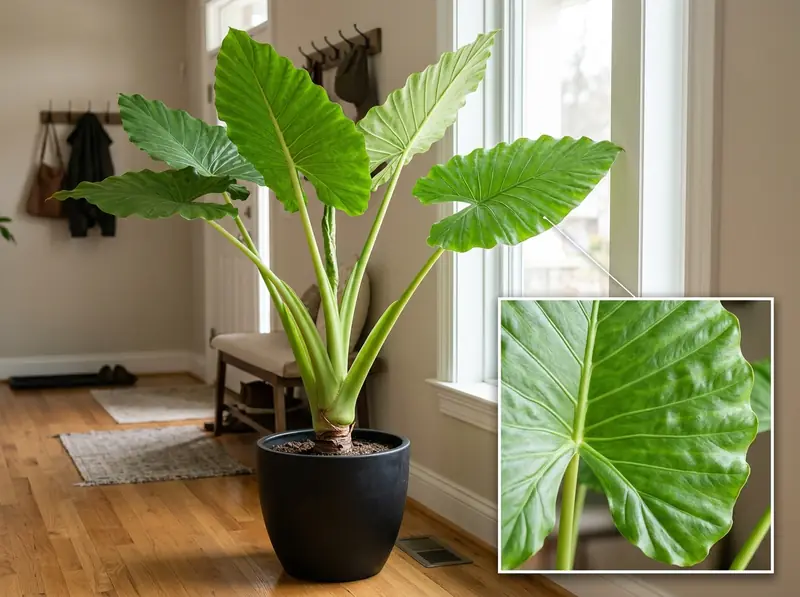 AI-generated
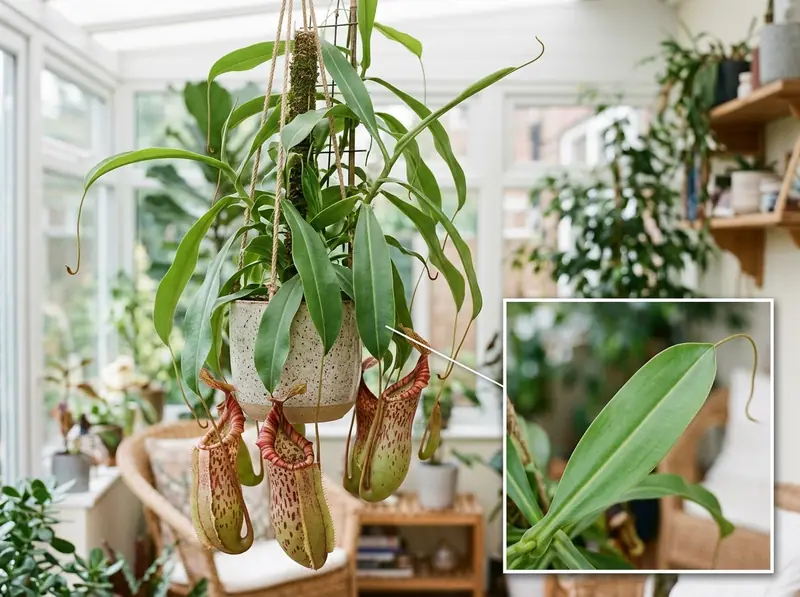 AI-generated
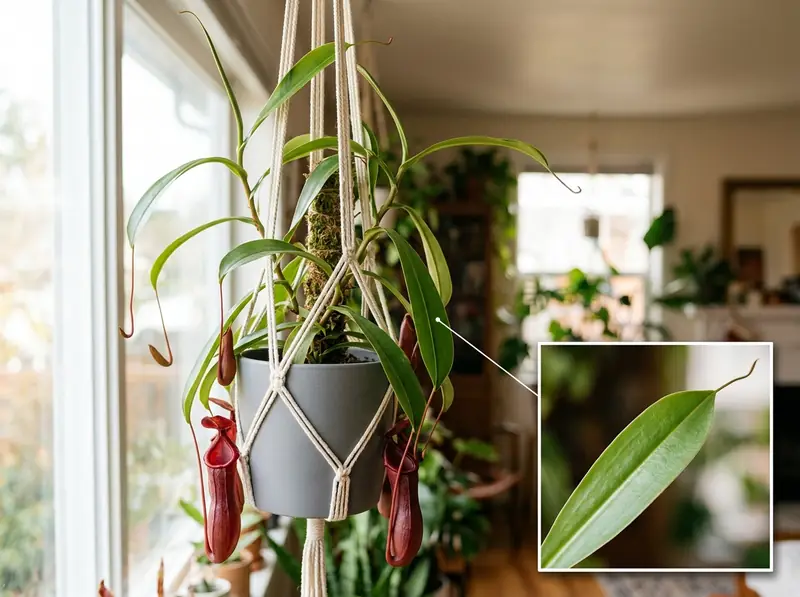 AI-generated
 AI-generated
 AI-generated