AI-generated image, not a photograph of this plant. Real plants look different depending on light, soil, temperature and age.
AcanthaceaeCommon in stores
Golden Shrimp Plant
Pachystachys lutea
Golden shrimp plant is a fast-growing, shrubby tropical with glossy green leaves and long-lasting golden-yellow bracts that resemble shrimp. It needs bright light, steady moisture, and regular pruning to stay full and bloom well. It suits a sunny room and can reach about 2 to 3 feet indoors.
Pets: not yet checked
💡
Saving is free with a KinClub account, and it works here and in the KinClub app. Sign up free
🪴 Care profile
Light
Bright, indirect lightLow → direct sun
Water
Keep moistAbout every 7 days
Difficulty
ModerateTricky → easy
Coldest it tolerates
50°F
Humidity
Medium to high
Mature size
MediumSmall → tree-size
Growth rate
Moderate to fast
How common
CommonRare → everywhere
Plant family
Acanthaceae
🐾 Pets and toxicity
Cats and dogs: not yet checked
Not yet checked against ASPCA — don't assume it's safe for pets.
No toxicity source on record for this plant yet. If a pet eats any houseplant, call your vet or an animal poison helpline.
🌿 How to care for Golden Shrimp Plant
Light
Give it a bright spot with several hours of gentle morning sun, such as an east or south window filtered by a sheer curtain. Strong light is needed for plenty of golden bracts.
Watering
Water when the top half inch to an inch of soil feels dry, soaking until water drains out. It likes even moisture in spring and summer, so don't let it dry out fully; ease off a little in winter.
Soil
Use a rich, well-draining potting mix, such as standard houseplant mix with about 20% perlite added. The pot must have drainage holes.
Feeding
Feed every 2 to 4 weeks from spring to early autumn with a balanced liquid fertilizer at half strength. Stop or reduce feeding in winter.
Repotting
Repot each spring, or every 1 to 2 years, into a pot 1 to 2 inches wider once roots circle the pot or poke out of the drainage holes. Prune at the same time to keep it compact.
Propagation
Take 4 to 6 inch tip cuttings in spring or summer, remove the lower leaves, and root in water or moist mix. Roots usually form in 3 to 4 weeks with warmth and bright light.
Common problems
Leggy, sparse growth: prune hard in early spring, pinch tips regularly, and move to brighter light.
Leaf drop after moving or in cold drafts: keep it above 55°F away from cold windows and vents, and avoid frequent relocation.
Sticky leaves with tiny white flying insects are whiteflies: rinse the plant, use yellow sticky traps, and treat with insecticidal soap weekly.
Fine webbing and stippled leaves point to spider mites: wash leaves, raise humidity, and apply insecticidal soap every 5 to 7 days.
Brown leaf edges from dry air or irregular watering: water more evenly and mist or use a pebble tray or humidifier.

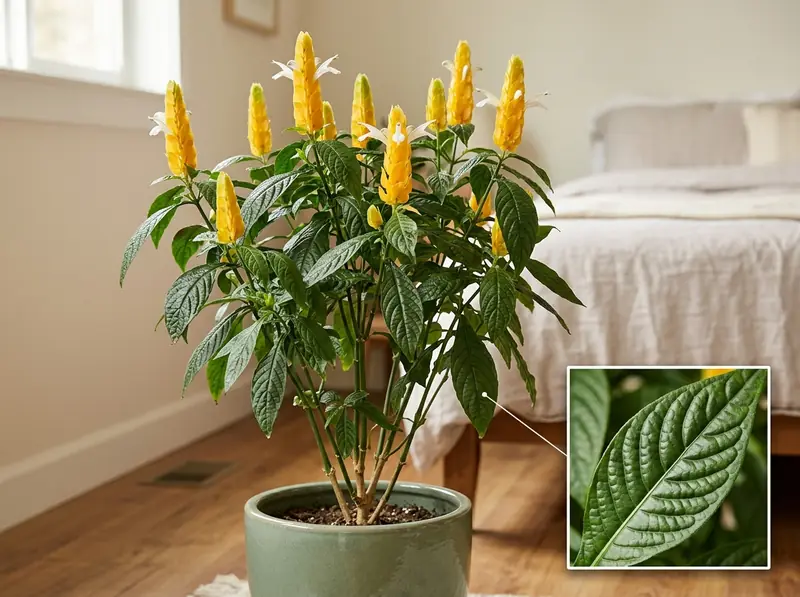 AI-generated
 AI-generated
 AI-generated
 AI-generated
 AI-generated