
 AI-generated
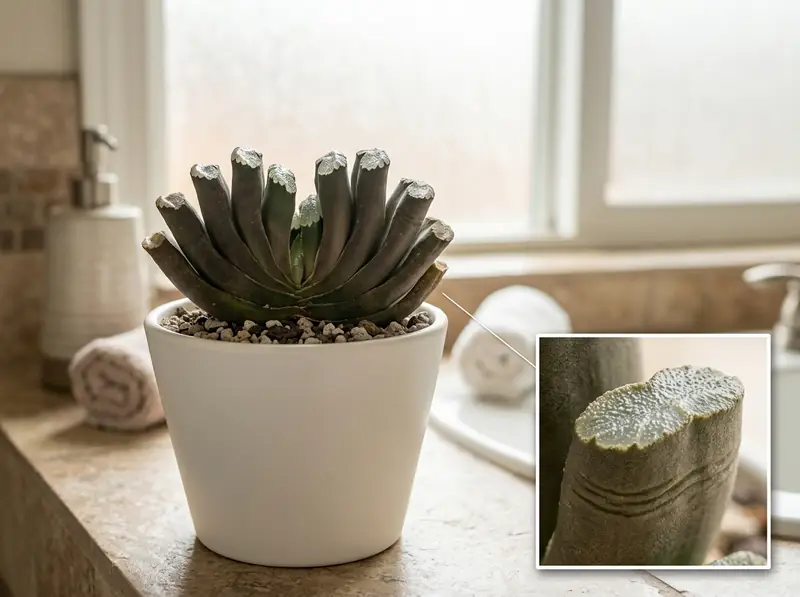
Horse's Teeth
Haworthia truncata
Horse's teeth (Haworthia truncata) has stiff, squared-off leaves arranged in two neat fans, with flat windowed tops that resemble a row of teeth. It is slow and compact, but more root-rot prone than other haworthias, so careful watering matters.
Saving is free with a KinClub account, and it works here and in the KinClub app. Sign up free
Care profile
- Light
- Bright, indirect lightLow → direct sun
- Water
- Let it dry outAbout every 18 days
- Difficulty
- ModerateTricky → easy
- Coldest it tolerates
- 40°F
- Humidity
- Low
- Mature size
- SmallSmall → tree-size
- Growth rate
- Slow
- How common
- EnthusiastRare → everywhere
- Plant family
- Asphodelaceae
Pets and toxicity
Cats and dogs: not yet checked
Not yet checked against ASPCA — don't assume it's safe for pets.
Source: ASPCA toxic and non-toxic plants. If a pet eats any houseplant, call your vet or an animal poison helpline.
How to care for Horse's Teeth
Light
Provide bright indirect light, such as an east window or a spot a few feet from a south one. A little gentle morning sun is fine, but hot direct sun scorches the flat, squared-off leaf ends.
Watering
Water thoroughly when the soil is completely dry, about every 2-3 weeks in cool seasons. It often slows down in the heat of midsummer, so water less then, and keep winter watering to once a month.
Soil
Use a very gritty mix, such as half cactus soil and half pumice or sand, in a shallow pot with drainage. Heavy, moisture-holding soil quickly rots the thick roots.
Feeding
Feed once in early spring and once in early fall with a half-strength cactus fertilizer. More than that encourages soft, weak growth.
Repotting
Repot every 2-3 years in spring. Use a pot a little deeper than usual to hold the contractile roots, and keep the leaf bases at soil level.
Propagation
Slowly forms offsets; separate them in spring with roots attached and let the cut dry for a day. Seed is the only quick way to get many, and it is slow and finicky.
Common problems
- A black, soft base is root rot, usually from heavy soil or too much water: unpot, trim, and repot in dry gritty mix.
- Wrinkled leaves after a long dry stretch mean it needs a deep soak, not frequent sips.
- Reddish-brown leaf ends point to too much direct sun: filter the light or move back from the window.
- Mealybugs in the leaf bases: dab with an alcohol-dipped swab and repeat weekly.
Similar plants
Same light needs and difficulty.
 AI-generated
 AI-generated
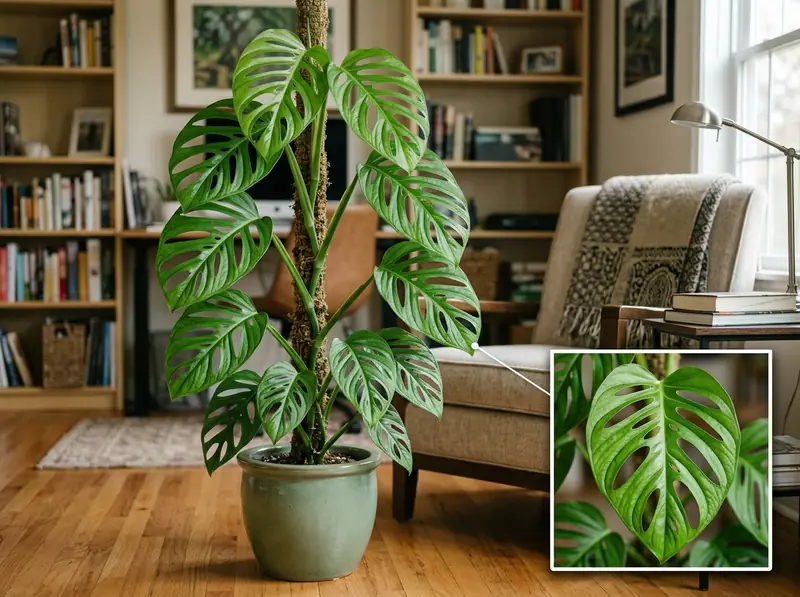
Faustomirandae Anthurium
Anthurium faustomirandae
- Bright, indirect light
- Moderate watering
Pets: not yet checked AI-generated
 AI-generated