
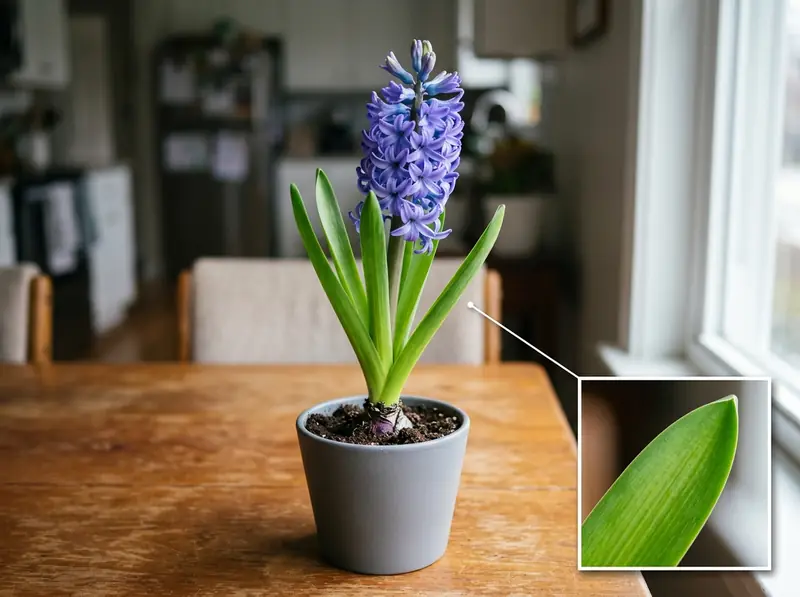
 AI-generated
Hyacinth
Hyacinthus orientalis
Also known as Garden Hyacinth
Hyacinth is a spring-flowering bulb grown indoors for its dense spikes of very fragrant flowers. It needs a cold period before forcing, then bright light and cool room temperatures to bloom well. Most people treat it as a seasonal plant and plant the bulb outdoors afterward.
Saving is free with a KinClub account, and it works here and in the KinClub app. Sign up free
Care profile
- Light
- Bright, indirect lightLow → direct sun
- Water
- Moderate wateringAbout every 5 days
- Difficulty
- Easy to moderateTricky → easy
- Coldest it tolerates
- 35°F
- Humidity
- Medium
- Mature size
- SmallSmall → tree-size
- Growth rate
- Moderate to fast
- How common
- CommonRare → everywhere
- Plant family
- Asparagaceae
Pets and toxicity
Toxic to cats
Keep away from cats. Call your vet or a pet poison helpline if a cat chews it.
Toxic to dogs
Keep away from dogs. Call your vet or a pet poison helpline if a dog chews it.
Source: ASPCA toxic and non-toxic plants. If a pet eats any houseplant, call your vet or an animal poison helpline.
How to care for Hyacinth
Light
Once chilled, keep the bulb in a cool, dim spot until shoots are 2-3 inches tall, then move to a bright spot out of direct midday sun. Turn the pot every few days to keep the stalk straight.
Watering
Water when the top inch of soil feels dry, about every 4-7 days, so the soil is slightly damp but never soggy. Keep water off the bulb's upper part and empty the saucer after watering.
Soil
Use an ordinary well-draining potting mix, with extra perlite or sand if it is heavy. Plant the bulb with the top third of it showing above the soil. Forcing in a hyacinth glass with water just touching the base also works.
Feeding
Forced bulbs already hold their flower energy, so feeding is not needed while blooming. If you keep the bulb to replant outdoors, feed with a balanced liquid fertilizer at half strength after flowering until leaves fade.
Repotting
Indoor forced bulbs are not repotted. After blooming, plant the bulb outdoors in autumn in well-drained soil about 6 inches deep, as forced bulbs may take a year or two to bloom well again.
Propagation
Bulbs form small offsets slowly, which take 3-4 years to flower. Seed is much slower still, so most people simply buy new bulbs each year.
Common problems
- Bulb rot from soggy soil: use a pot with drainage holes, water only when the top inch is dry, and discard any soft bulbs.
- Flower stalk flops over: give brighter light and cooler temperatures, or stake it gently with a thin support.
- Flowers fade fast in a warm room: move the plant to a cooler spot around 60-65°F to extend bloom time.
- Short stalk or no flower: the bulb likely wasn't chilled long enough; give it the full 10-14 weeks of cold next time.
Similar plants
Same light needs and difficulty.
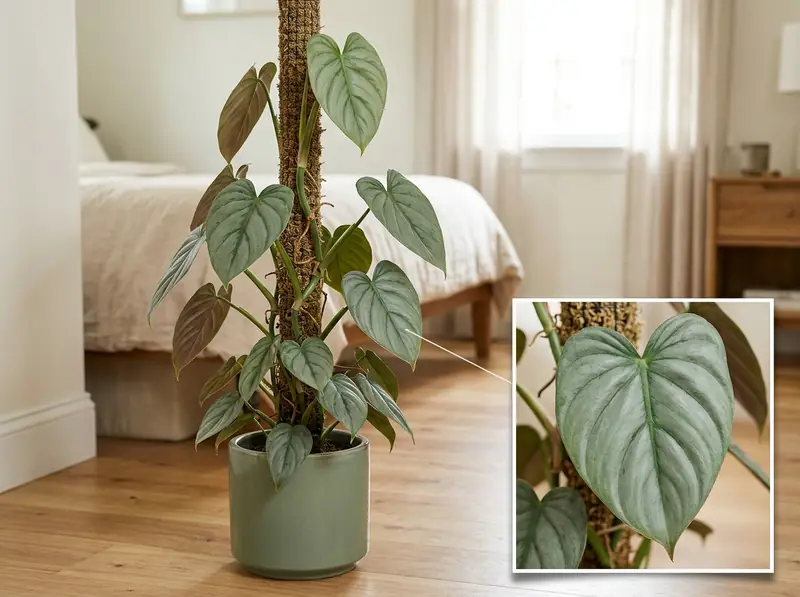 AI-generated
Sodiroi Philodendron
Philodendron sodiroi
- Bright, indirect light
- Moderate watering
Toxic to cats and dogs AI-generated
 AI-generated
 AI-generated