
 AI-generated
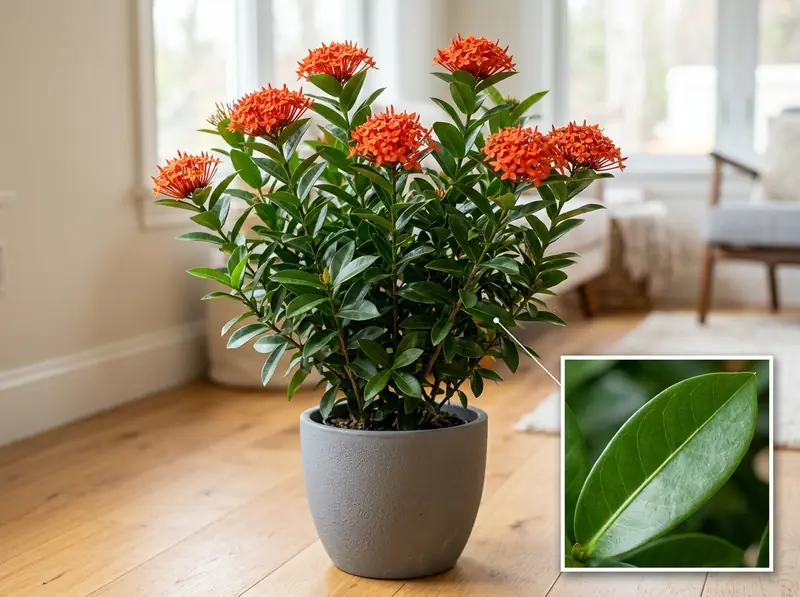
Jungle Geranium
Ixora coccinea
Also known as Flame of the Woods, Maui Sunset, Iron Tree
Jungle geranium is a tropical shrub grown for its long-lasting, rounded clusters of small orange, red, pink or yellow flowers against glossy leaves. It wants warmth, bright light, humidity and acidic soil, so it suits a keen grower more than a beginner. Keep it out of drafts and don't move it around once it settles.
Saving is free with a KinClub account, and it works here and in the KinClub app. Sign up free
Care profile
- Light
- Bright, indirect to direct sunLow → direct sun
- Water
- Keep moistAbout every 7 days
- Difficulty
- Moderate to challengingTricky → easy
- Coldest it tolerates
- 55°F
- Humidity
- High
- Mature size
- Medium to largeSmall → tree-size
- Growth rate
- Moderate
- How common
- CommonRare → everywhere
- Plant family
- Rubiaceae
Pets and toxicity
Non-toxic to cats
Listed as non-toxic to cats by the ASPCA.
Non-toxic to dogs
Listed as non-toxic to dogs by the ASPCA.
Source: ASPCA toxic and non-toxic plants. If a pet eats any houseplant, call your vet or an animal poison helpline.
How to care for Jungle Geranium
Light
Give it a very bright spot with several hours of gentle morning sun, such as an east or south window. Weak light means few flowers, while hot midday sun through glass can scorch the leaves.
Watering
Keep the soil evenly damp but never soggy, usually about once a week in the growing season. Use rainwater, distilled or filtered water when possible, and let the top half inch dry slightly in winter.
Soil
Use an acidic, peat-based or ericaceous potting mix with added perlite or bark for drainage. Aim for a pH of about 5.0 to 6.0.
Feeding
Feed every 2 to 4 weeks in spring and summer with a half-strength acid-loving plant fertilizer that includes micronutrients such as iron. Reduce or stop feeding in winter.
Repotting
Repot every 2 to 3 years in spring only when roots fill the pot, moving up just one pot size. Handle the roots gently because ixora dislikes disturbance.
Propagation
Semi-ripe stem cuttings with rooting hormone can work but need steady bottom heat around 75°F and high humidity, and they root slowly. Many growers buy plants instead.
Common problems
- Yellow leaves with green veins mean iron deficiency from high soil pH; switch to acidic mix, soft water and a chelated iron feed.
- Bud or leaf drop follows drafts, cold or moving the plant; keep it in a warm, stable spot above 60°F.
- Crispy leaf edges signal dry air or irregular watering; raise humidity with a tray of pebbles or a humidifier and water consistently.
- Sticky residue, cottony clusters or fine webbing point to scale, mealybugs or mites; wipe leaves and treat with insecticidal soap weekly.
Similar plants
Same light needs and difficulty.
 AI-generated
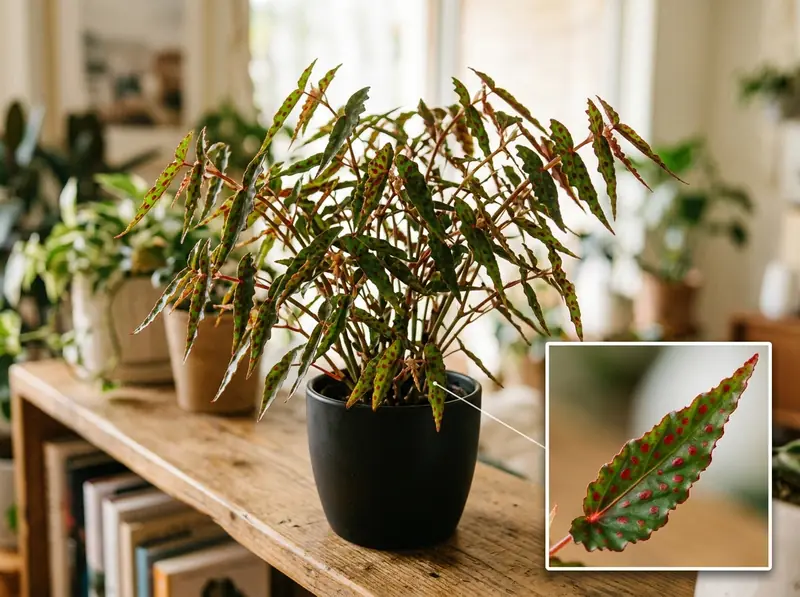
Amphioxus Begonia
Begonia amphioxus
- Medium to bright, indirect light
- Moderate to moist watering
Toxic to cats and dogs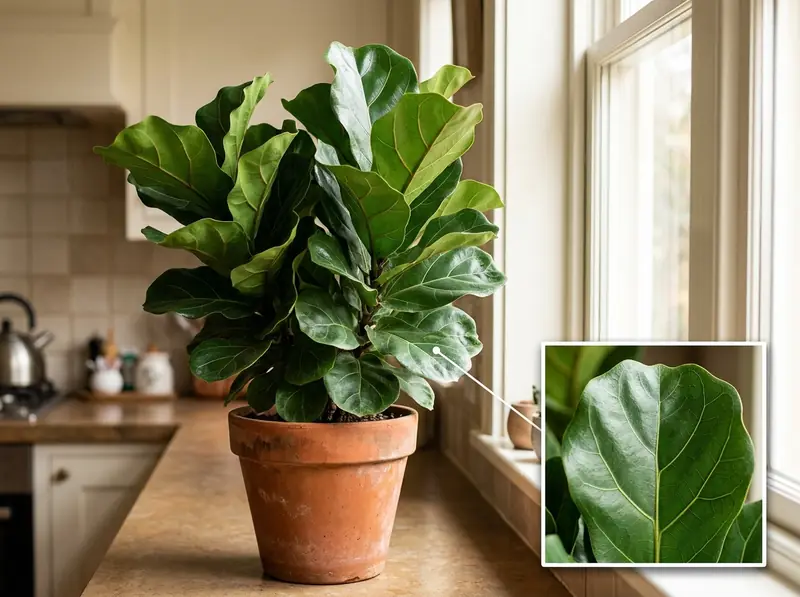 AI-generated
Bambino Fiddle-Leaf Fig
Ficus lyrata 'Bambino'
- Bright, indirect light
- Moderate watering
Toxic to cats and dogs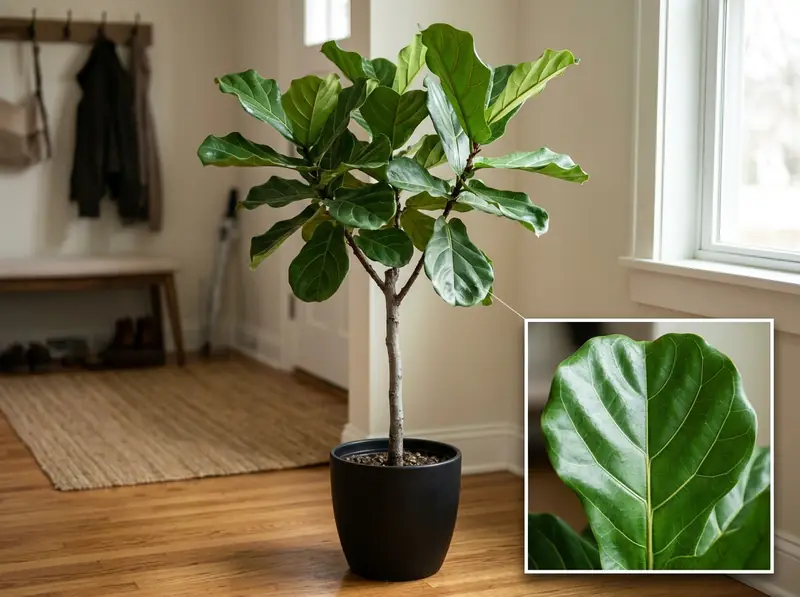 AI-generated
 AI-generated
Calathea Orbifolia
Goeppertia orbifolia
- Medium to bright, indirect light
- Keep moist
Pets: not yet checked