AI-generated image, not a photograph of this plant. Real plants look different depending on light, soil, temperature and age.
DroseraceaeRare in stores
King Sundew
Drosera regia
King sundew is a Cape native with spectacular strap-like leaves up to 2 ft long, covered in sticky red-tipped tentacles that trap gnats. It wants cool temperatures, very bright light and constant distilled water, so it suits a keen grower more than a beginner.
Pets: not yet checked
💡
Saving is free with a KinClub account, and it works here and in the KinClub app. Sign up free
🪴 Care profile
Light
Direct sunLow → direct sun
Water
Keep moistAbout every 3 days
Difficulty
ChallengingTricky → easy
Coldest it tolerates
35°F
Humidity
Medium to high
Mature size
MediumSmall → tree-size
Growth rate
Slow to moderate
How common
RareRare → everywhere
Plant family
Droseraceae
🐾 Pets and toxicity
Cats and dogs: not yet checked
Not yet checked against ASPCA — don't assume it's safe for pets.
No toxicity source on record for this plant yet. If a pet eats any houseplant, call your vet or an animal poison helpline.
🌿 How to care for King Sundew
Light
Needs several hours of bright direct sun, such as an unshaded south or west window, or strong grow lights 10 to 12 hours a day. It prefers cool, bright conditions and does poorly in a dim room.
Watering
Keep the pot standing in a half-inch of distilled, rain or reverse-osmosis water at all times; tap water minerals slowly kill it. Water can be reduced slightly during the cooler winter rest.
Soil
Use a lean mix of 1 part peat (unfertilized) to 1 part perlite or sand, in a deep pot because the roots run long. Avoid ordinary potting soil and anything with added fertilizer.
Feeding
Do not fertilize the soil. Feed only by dabbing a very dilute orchid fertilizer on a few leaves once a month, or let it catch occasional insects.
Repotting
Repot every year or two in fresh peat and perlite, in late winter before growth starts. Choose a deep pot, at least 6 in tall, and handle the long roots gently.
Propagation
Take 2 to 3 in root cuttings in winter and lay them on moist peat and sand, or sow fresh seed on the surface. Plantlets form at the cut roots in a few weeks.
Common problems
Roots rot in stagnant tray water; replace the water with fresh distilled water every week or two.
Dew disappears in dry, hot air; raise humidity with a clear dome or terrarium and keep the room cool.
Black leaf tips follow tap or mineral-rich water; switch to distilled or rain water permanently.
Aphids cluster on new growth and flower stalks; rinse them off or use an insecticidal soap spray.

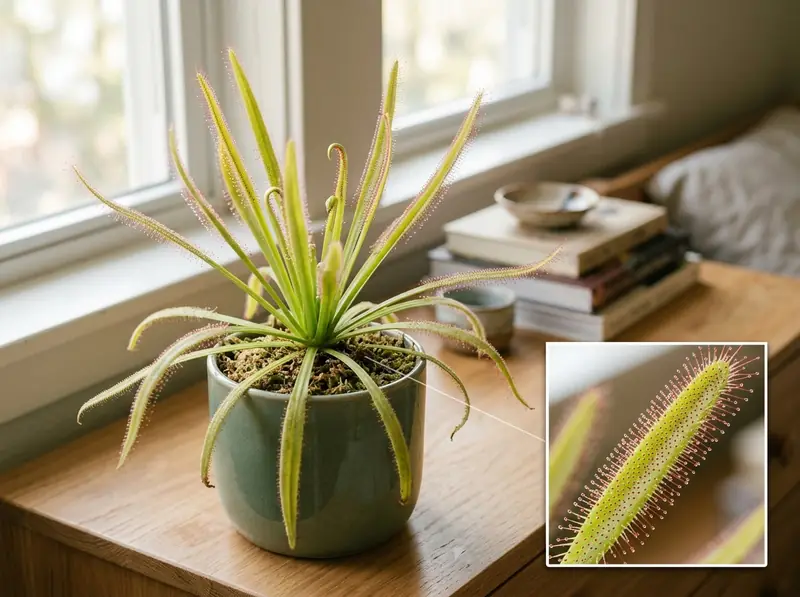 AI-generated
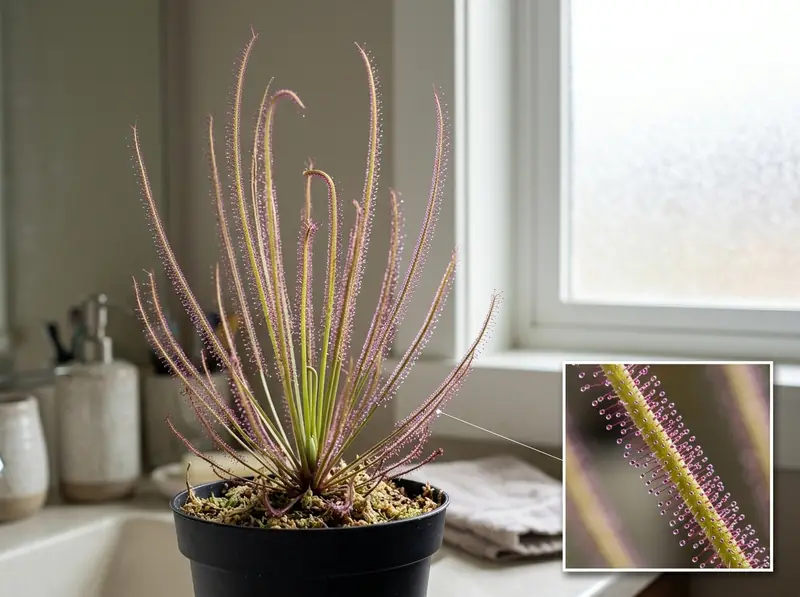 AI-generated
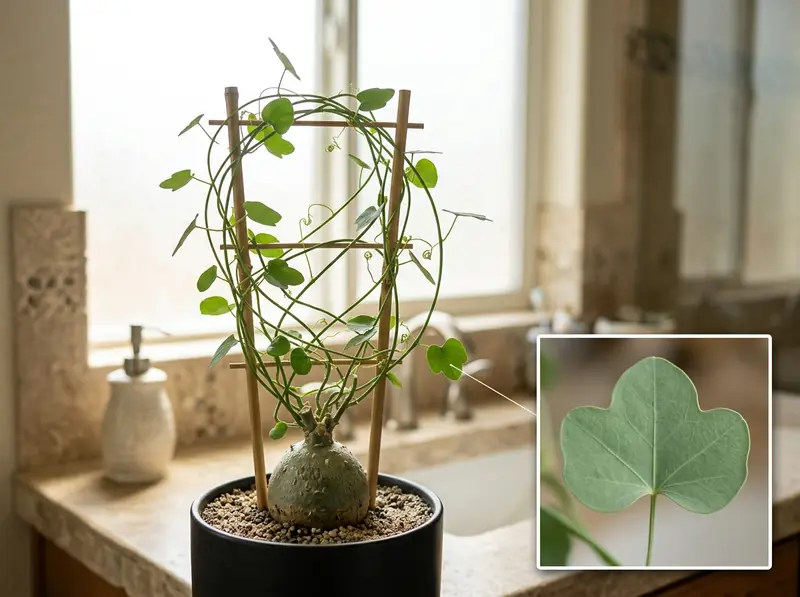 AI-generated
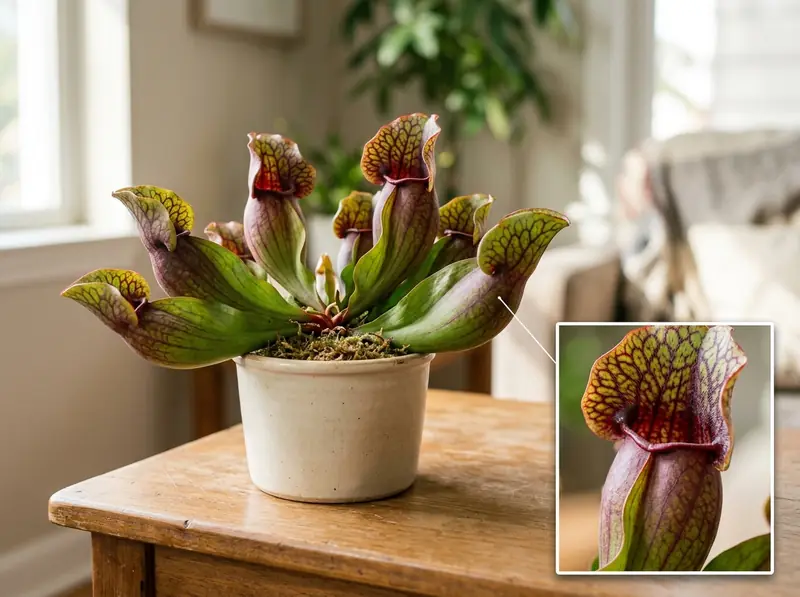 AI-generated
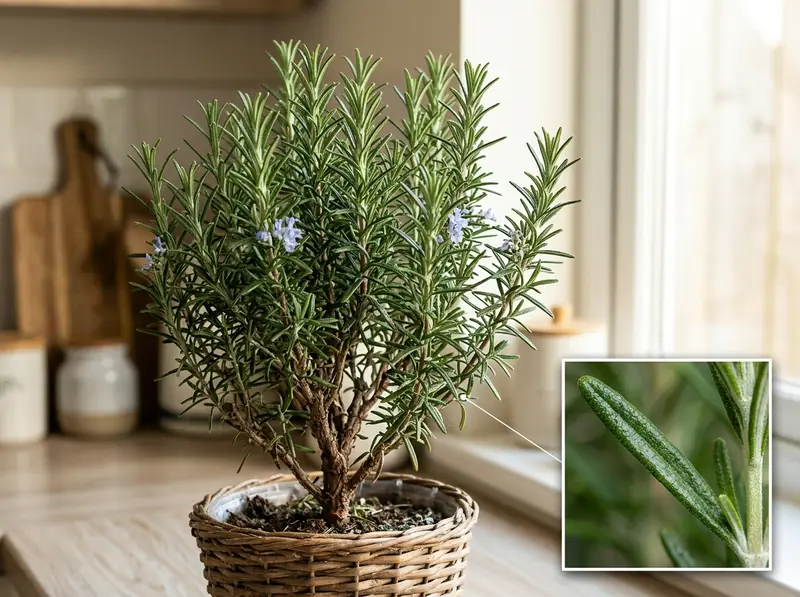 AI-generated