
 AI-generated
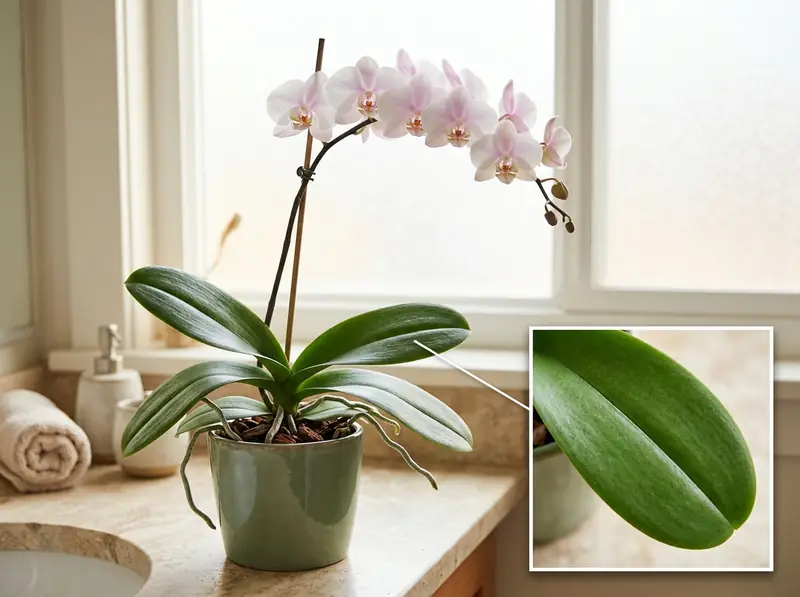
Moth Orchid
Phalaenopsis hybrids
Moth orchids are among the easiest orchids to grow indoors, with long-lasting flowers that can stay open for 2 to 3 months. They grow in bark rather than soil and like bright, indirect light and a weekly soak. Get the watering right and a healthy plant will usually rebloom every year.
Saving is free with a KinClub account, and it works here and in the KinClub app. Sign up free
Care profile
- Light
- Bright, indirect lightLow → direct sun
- Water
- Dry to moderate wateringAbout every 7 days
- Difficulty
- EasyTricky → easy
- Coldest it tolerates
- 55°F
- Humidity
- Medium
- Mature size
- SmallSmall → tree-size
- Growth rate
- Slow
- How common
- EverywhereRare → everywhere
- Plant family
- Orchidaceae
Pets and toxicity
Cats and dogs: not yet checked
Not yet checked against ASPCA — don't assume it's safe for pets.
Source: ASPCA toxic and non-toxic plants. If a pet eats any houseplant, call your vet or an animal poison helpline.
How to care for Moth Orchid
Light
Give bright, indirect light, such as a spot near an east-facing window or a few feet back from a south or west window. Avoid direct midday sun, which scorches the leaves. Leaves should be a medium, slightly olive green.
Watering
Water about once a week, when the potting bark is dry and roots look silvery-gray. Soak thoroughly with lukewarm water for about 15 seconds, let it drain fully, and never leave the pot standing in water.
Soil
Use a chunky orchid mix, mainly fir bark, perhaps with some perlite or charcoal. Use a pot with plenty of drainage holes, often a clear plastic pot inside a decorative one. Do not use ordinary potting soil.
Feeding
Feed with a balanced orchid fertilizer at quarter to half strength every 2 weeks while growing, or with every watering. Flush the pot with plain water once a month to rinse out salt build-up.
Repotting
Repot every 1 to 2 years after flowering, when the bark breaks down or roots crowd out of the pot. Move to a pot only slightly larger, trim dead, mushy roots with clean scissors, and use fresh orchid bark.
Propagation
Moth orchids are hard to multiply at home. Some plants grow a keiki (baby plantlet) on the flower spike or stem. When the keiki has 2 to 3 roots about 2 to 3 inches long, cut it off and pot it in fine orchid mix.
Common problems
- Drooping, wrinkled leaves usually mean the roots are dead from overwatering or too dry. Check the roots, trim any rotted ones, and adjust watering.
- No reblooming: give more light and a 2 to 4 week period of cooler nights, around 55 to 65°F, in autumn to trigger a new spike.
- Bud drop is caused by drafts, sudden temperature changes, or dry roots. Keep the plant in a stable spot away from vents and cold windows.
- Sticky residue or white cottony spots signal mealybugs or scale. Dab them with cotton swabs dipped in rubbing alcohol and repeat weekly.
- Yellowing lower leaves: a single old lower leaf yellowing is normal. Several yellow leaves point to overwatering or root rot.
Similar plants
Same light needs and difficulty.
 AI-generated
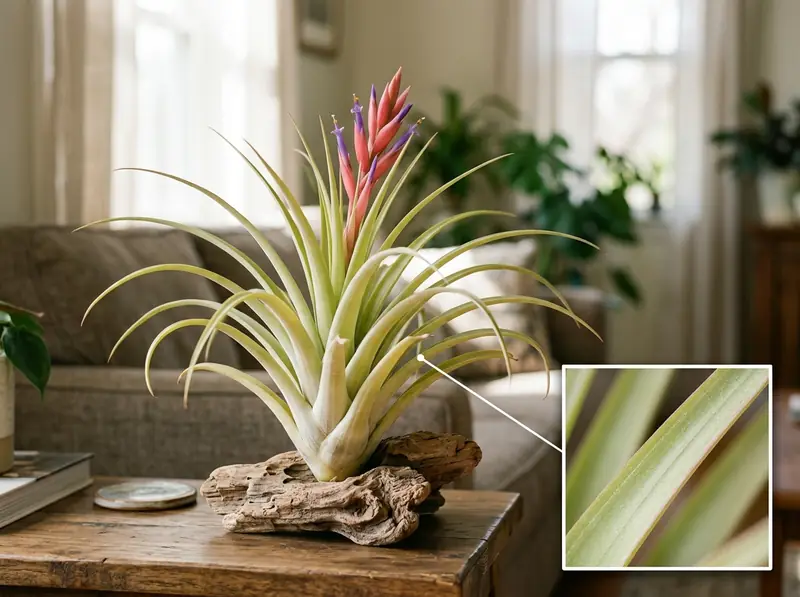
Leiboldiana Air Plant
Tillandsia leiboldiana
- Bright, indirect light
- Let it dry out
Pets: not yet checked AI-generated
 AI-generated
Chinese Money Plant
Pilea peperomioides
- Bright, indirect light
- Dry to moderate watering
Pets: not yet checked AI-generated
Christmas Cactus
Schlumbergera × buckleyi
- Bright, indirect light
- Moderate watering
Pets: not yet checked