
 AI-generated
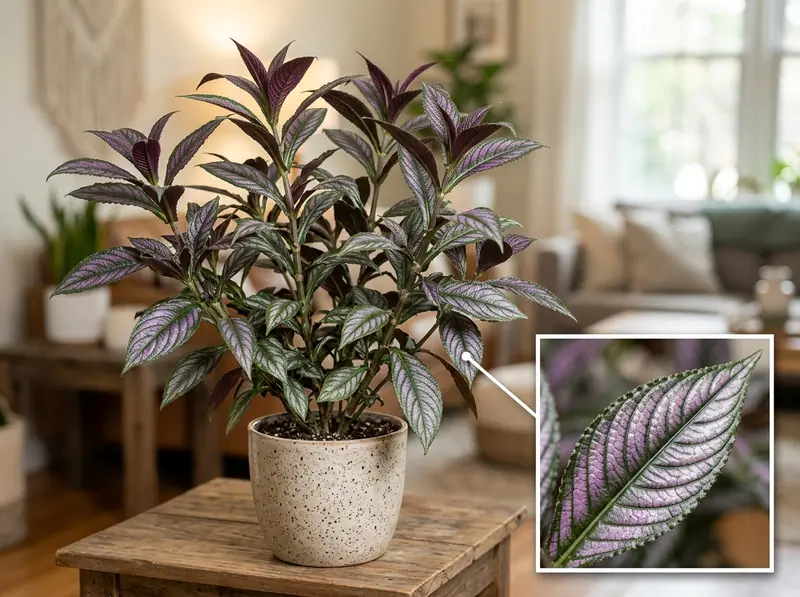
Persian Shield
Strobilanthes dyeriana
Persian Shield is grown for its shimmering purple, silver, and green leaves. It grows quickly and looks best in bright indirect light with steady moisture and good humidity. Pinch it often to keep it bushy, and expect to renew it from cuttings every few years.
Saving is free with a KinClub account, and it works here and in the KinClub app. Sign up free
Care profile
- Light
- Bright, indirect lightLow → direct sun
- Water
- Keep moistAbout every 5 days
- Difficulty
- ModerateTricky → easy
- Coldest it tolerates
- 50°F
- Humidity
- High
- Mature size
- MediumSmall → tree-size
- Growth rate
- Fast
- How common
- CommonRare → everywhere
- Plant family
- Acanthaceae
Pets and toxicity
Cats and dogs: not yet checked
Not yet checked against ASPCA — don't assume it's safe for pets.
No toxicity source on record for this plant yet. If a pet eats any houseplant, call your vet or an animal poison helpline.
How to care for Persian Shield
Light
Give bright, indirect light, such as a spot near an east window or a few feet back from a south or west window. Gentle morning sun is fine, but hot midday sun fades and scorches the leaves.
Watering
Keep the soil evenly moist but never soggy, watering when the top half inch feels barely dry, usually every 4 to 6 days in summer. Water less often in winter, when growth slows, and empty the saucer after watering.
Soil
Use a peat- or coco-based potting mix with some perlite for drainage and moisture retention. Choose a pot with drainage holes.
Feeding
Feed every 2 to 4 weeks in spring and summer with a balanced liquid fertilizer at half the label strength. Stop or cut back in fall and winter.
Repotting
Repot every spring or when roots fill the pot, moving up one size (about 2 inches wider). Older plants get woody and leggy, so many growers replace them with cuttings every 2 to 3 years.
Propagation
Take 4 to 6 inch stem cuttings just below a node in spring or summer. Root them in water or moist mix in a warm, bright spot, and they usually root in 2 to 3 weeks.
Common problems
- Leggy, faded growth: move to brighter indirect light and pinch tips regularly to encourage bushiness.
- Crispy, brown leaf edges: raise humidity with a pebble tray or humidifier and keep the soil evenly moist.
- Sudden wilting: check the soil, water thoroughly if dry, and the plant usually recovers within hours.
- Webbing and speckled leaves from spider mites: rinse the plant, then spray with insecticidal soap weekly for several weeks.
- Leaf drop in cold drafts: keep it above 60°F and away from cold windows and vents.
Similar plants
Same light needs and difficulty.
 AI-generated
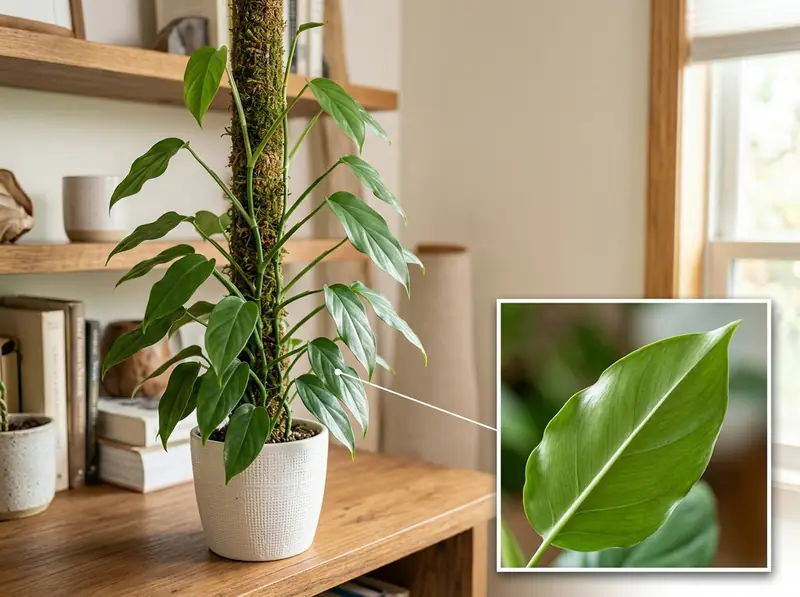
Zippelianum Amydrium
Amydrium zippelianum
- Bright, indirect light
- Moderate watering
Pets: not yet checked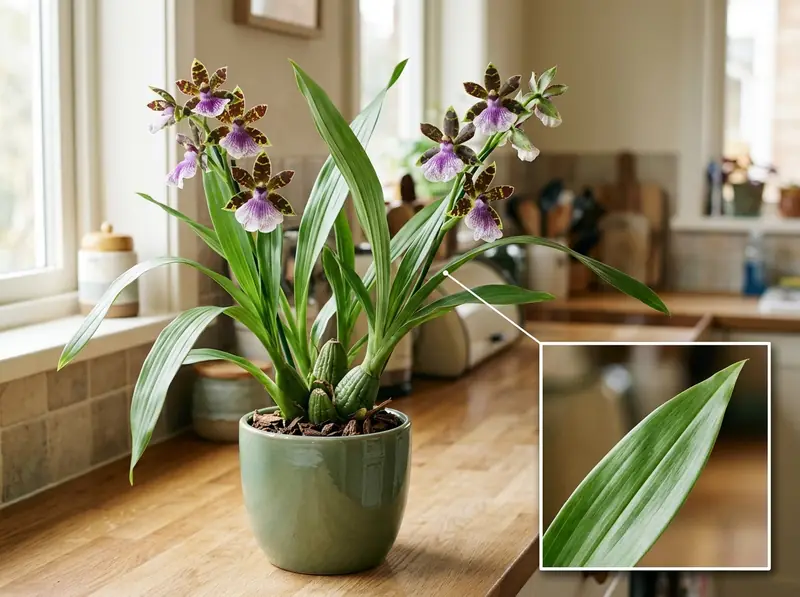 AI-generated
Zygo Orchid
Zygopetalum hybrids
- Bright, indirect light
- Moderate to moist watering
Pets: not yet checked AI-generated
 AI-generated