
 AI-generated
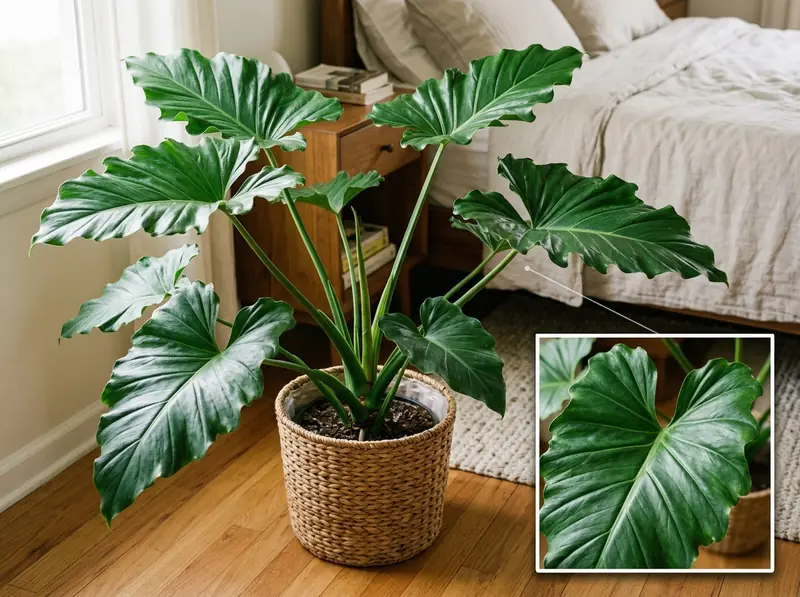
Plowmanii Philodendron
Philodendron plowmanii
Plowmanii philodendron is a non-climbing, self-heading philodendron with large, wavy-edged, glossy green leaves on long stalks. It forms a broad, bushy plant and is easy to grow in bright, indirect light with regular watering. Give it floor space to spread, as it can reach 3-4 feet across indoors.
Saving is free with a KinClub account, and it works here and in the KinClub app. Sign up free
Care profile
- Light
- Bright, indirect lightLow → direct sun
- Water
- Moderate wateringAbout every 8 days
- Difficulty
- Easy to moderateTricky → easy
- Coldest it tolerates
- 55°F
- Humidity
- Medium to high
- Mature size
- LargeSmall → tree-size
- Growth rate
- Moderate
- How common
- EnthusiastRare → everywhere
- Plant family
- Araceae
Pets and toxicity
Toxic to cats
Keep away from cats. Call your vet or a pet poison helpline if a cat chews it.
Toxic to dogs
Keep away from dogs. Call your vet or a pet poison helpline if a dog chews it.
Source: ASPCA toxic and non-toxic plants. If a pet eats any houseplant, call your vet or an animal poison helpline.
How to care for Plowmanii Philodendron
Light
Give it bright, indirect light, such as a few feet from an east or south-facing window. It tolerates medium light but grows slower and leggier, and direct midday sun can scorch the leaves.
Watering
Water thoroughly when the top 1-2 inches of soil feel dry, usually every 7-10 days in the growing season. Let excess drain away and water less often in winter.
Soil
Use a chunky, well-draining aroid mix, for example potting soil with about one-third perlite and some orchid bark. The pot must have drainage holes.
Feeding
Feed every 4-6 weeks from spring to early fall with a balanced liquid houseplant fertilizer at half the label strength. Skip feeding in winter.
Repotting
Repot every 1-2 years in spring when roots circle the pot or poke from the drainage holes. Move up just 2 inches in pot diameter.
Propagation
Take a stem cutting with at least one node and a leaf. Root it in water or moist perlite-rich mix in a warm, bright spot; roots usually form in 3-5 weeks.
Common problems
- Yellow lower leaves: usually overwatering. Let the soil dry in the top 2 inches and check that the pot drains freely.
- Brown crispy leaf edges: air or soil is too dry. Water more consistently and keep the plant away from heaters and vents.
- Leggy growth with small leaves: too little light. Move it to a brighter spot and prune back long stems.
- Webbing or speckled leaves: spider mites. Wipe the leaves, rinse the plant, and treat with insecticidal soap weekly for a few weeks.
- Cottony white clusters in leaf joints: mealybugs. Dab them with rubbing alcohol on a cotton swab and repeat weekly.
Similar plants
Same light needs and difficulty.
 AI-generated
 AI-generated
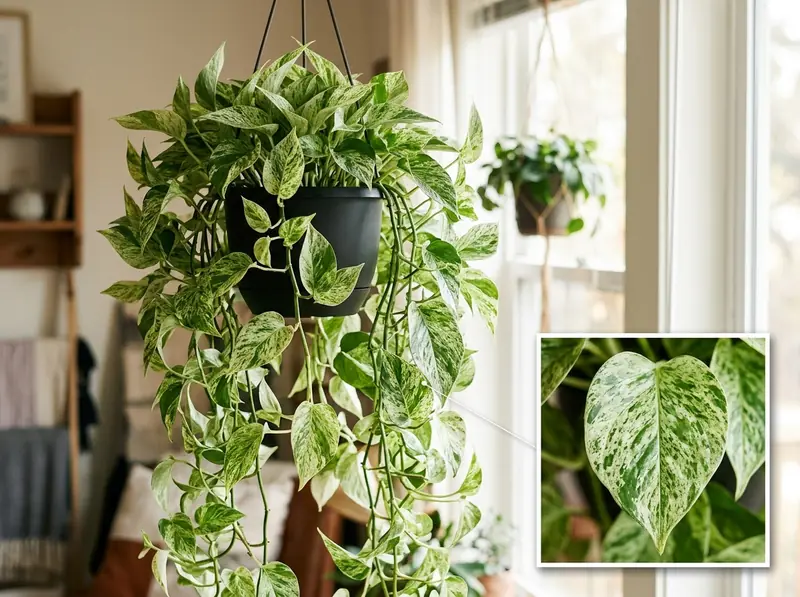
Marble Queen Pothos
Epipremnum aureum 'Marble Queen'
- Bright, indirect light
- Moderate watering
Toxic to cats and dogs AI-generated
Chinese Money Plant
Pilea peperomioides
- Bright, indirect light
- Dry to moderate watering
Pets: not yet checked AI-generated
Christmas Cactus
Schlumbergera × buckleyi
- Bright, indirect light
- Moderate watering
Pets: not yet checked