
 AI-generated
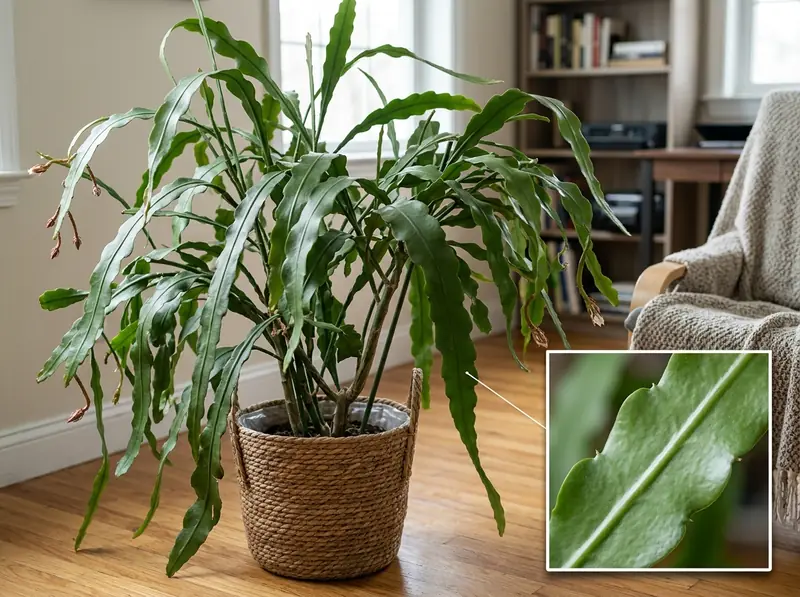
Queen of the Night
Epiphyllum oxypetalum
Queen of the Night is a sprawling epiphytic cactus with long, flat, wavy-edged stems. It is best known for huge, fragrant white flowers that open after dark for just one night, usually in summer. It is easy and fast-growing in bright indirect light with a drying-out watering routine, and it needs a cool winter rest to bloom well.
Saving is free with a KinClub account, and it works here and in the KinClub app. Sign up free
Care profile
- Light
- Bright, indirect lightLow → direct sun
- Water
- Moderate wateringAbout every 10 days
- Difficulty
- Easy to moderateTricky → easy
- Coldest it tolerates
- 45°F
- Humidity
- Medium
- Mature size
- LargeSmall → tree-size
- Growth rate
- Fast
- How common
- CommonRare → everywhere
- Plant family
- Cactaceae
Pets and toxicity
Cats and dogs: not yet checked
Not yet checked against ASPCA — don't assume it's safe for pets.
No toxicity source on record for this plant yet. If a pet eats any houseplant, call your vet or an animal poison helpline.
How to care for Queen of the Night
Light
Give it bright, indirect light, such as a spot a few feet from an east or south window. Protect it from hot midday sun, which can scorch the stems. In summer it can go outdoors in bright shade.
Watering
In spring and summer, water thoroughly when the top 1-2 inches of soil are dry, roughly every 7-14 days. Let excess drain away. In winter, water only lightly, about once a month, to keep the stems from shriveling.
Soil
Use a fast-draining mix, such as cactus mix with about a quarter added perlite or orchid bark. Choose a pot with drainage holes. Terracotta helps the mix dry evenly.
Feeding
From spring to late summer, feed every 3-4 weeks with a half-strength balanced fertilizer. Switch to a higher-potassium (tomato-type) feed in late summer to encourage buds. Do not feed in winter.
Repotting
Repot only every 2-3 years, in spring, when roots crowd the pot. Move up just 1-2 inches in pot diameter, as it flowers best when slightly root-bound.
Propagation
Take a 4-6 inch stem cutting in spring or summer. Let the cut end dry and callus for several days to a week. Then set it in barely damp gritty mix, and it should root in a few weeks.
Common problems
- Stems turn soft and mushy at the base: this is rot from overwatering. Cut off healthy sections, let them callus, and re-root them in fresh dry mix.
- No flowers: usually caused by too little light or no cool winter rest. Give it brighter light and a cooler, drier winter at 50-60°F.
- Buds drop before opening: often caused by moving or turning the plant, or by sudden temperature or watering swings. Keep it in place once buds form.
- Cottony white fluff or brown bumps on stems: mealybugs or scale. Dab them with rubbing alcohol on a cotton swab and repeat weekly until gone.
- Stems look shriveled and thin: underwatering, or lost roots. Water deeply, and check the roots if it doesn't recover.
Similar plants
Same light needs and difficulty.
 AI-generated
 AI-generated
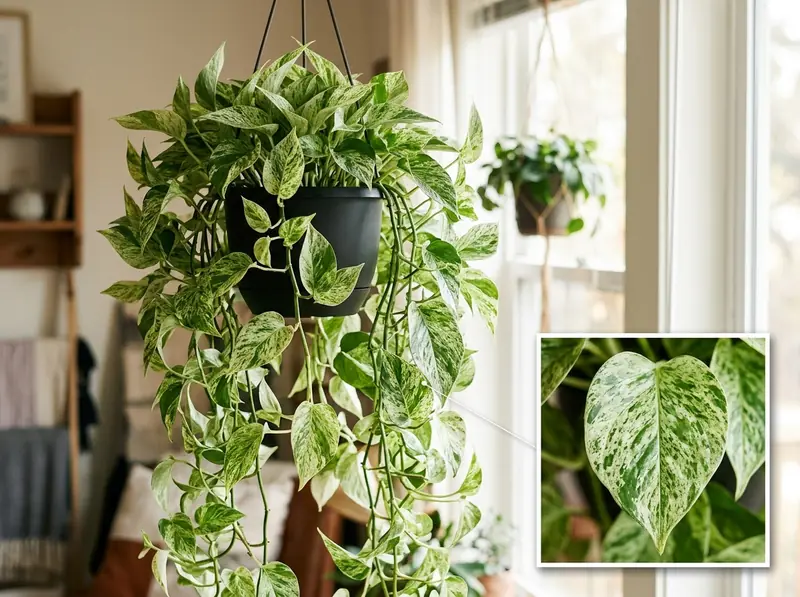
Marble Queen Pothos
Epipremnum aureum 'Marble Queen'
- Bright, indirect light
- Moderate watering
Toxic to cats and dogs AI-generated
Chinese Money Plant
Pilea peperomioides
- Bright, indirect light
- Dry to moderate watering
Pets: not yet checked AI-generated
Christmas Cactus
Schlumbergera × buckleyi
- Bright, indirect light
- Moderate watering
Pets: not yet checked