
 AI-generated
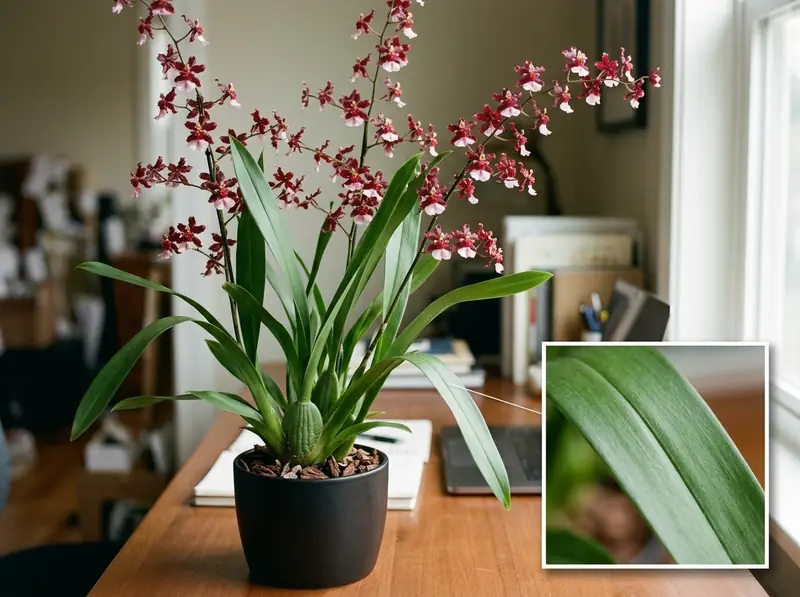
Sharry Baby Orchid
Oncidium 'Sharry Baby'
Sharry Baby is a compact Oncidium hybrid known for sprays of small, burgundy and white flowers that smell like chocolate and vanilla. It grows well in an ordinary home with bright, indirect light and a fast-draining bark mix. Its pseudobulbs store water, so it handles a bit of dryness better than overwatering.
Saving is free with a KinClub account, and it works here and in the KinClub app. Sign up free
Care profile
- Light
- Bright, indirect lightLow → direct sun
- Water
- Moderate wateringAbout every 7 days
- Difficulty
- ModerateTricky → easy
- Coldest it tolerates
- 55°F
- Humidity
- Medium to high
- Mature size
- Small to mediumSmall → tree-size
- Growth rate
- Moderate
- How common
- EnthusiastRare → everywhere
Pets and toxicity
Cats and dogs: not yet checked
Not yet checked against ASPCA — don't assume it's safe for pets.
No toxicity source on record for this plant yet. If a pet eats any houseplant, call your vet or an animal poison helpline.
How to care for Sharry Baby Orchid
Light
Give bright, indirect light, such as an east window or a south or west window with a sheer curtain. Leaves should be a fresh, medium-to-light green, not dark green.
Watering
Water thoroughly, letting water run through the pot, when the top inch of the bark mix is dry, about once a week in the growing season. Do not let it sit in a saucer of water, and water less often in winter, every 10 to 14 days, when growth slows.
Soil
Use a coarse orchid mix of fir bark, perlite, and charcoal, with sphagnum moss in small amounts at most. Regular potting soil holds too much water and will rot the roots.
Feeding
Feed every other watering, spring through fall, with a balanced orchid fertiliser at quarter to half the label strength. Flush the pot with plain water monthly to wash out salt buildup, and feed less in winter.
Repotting
Repot every 1 to 2 years, after flowering or when new growth starts, when the bark breaks down or the pseudobulbs crowd the pot edge. Go up only one pot size, and trim off dead, mushy roots.
Propagation
Divide large clumps into sections of at least three pseudobulbs, with roots, when repotting. Growing from seed is done only in labs, so division is the practical home method.
Common problems
- Pleated, shriveled leaves: the roots are damaged or the plant is too dry. Check the roots, trim rotten ones, repot in fresh bark, and water on a steadier schedule.
- No blooms: usually too little light. Move it to a brighter spot and give it slightly cooler nights in autumn.
- Brown leaf tips: dry air or fertiliser salt buildup. Flush the pot with water and raise humidity to around 50%.
- Flower buds drop: caused by sudden temperature changes, drafts, or dry roots. Keep it in a stable spot away from vents.
- Sticky residue or white fluff on leaves: scale or mealybugs. Dab with cotton swabs dipped in rubbing alcohol and recheck weekly.
Similar plants
Same light needs and difficulty.
 AI-generated
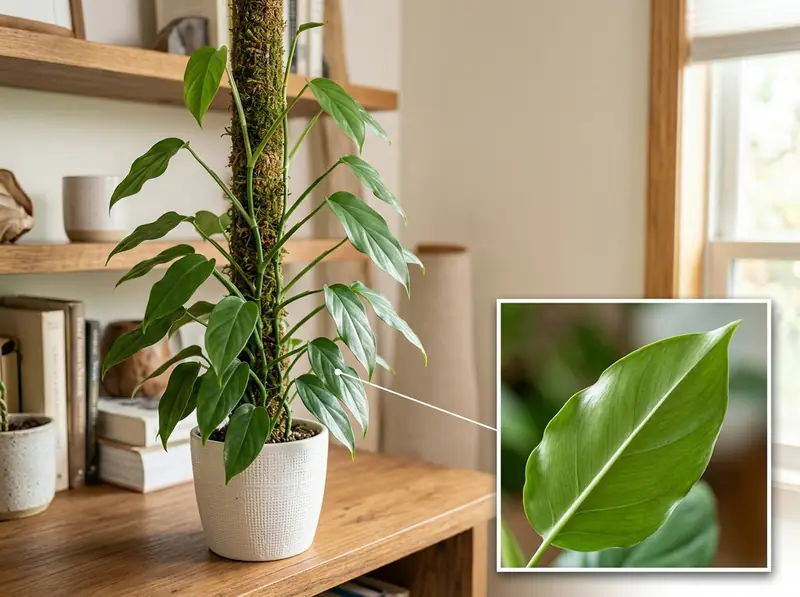
Zippelianum Amydrium
Amydrium zippelianum
- Bright, indirect light
- Moderate watering
Pets: not yet checked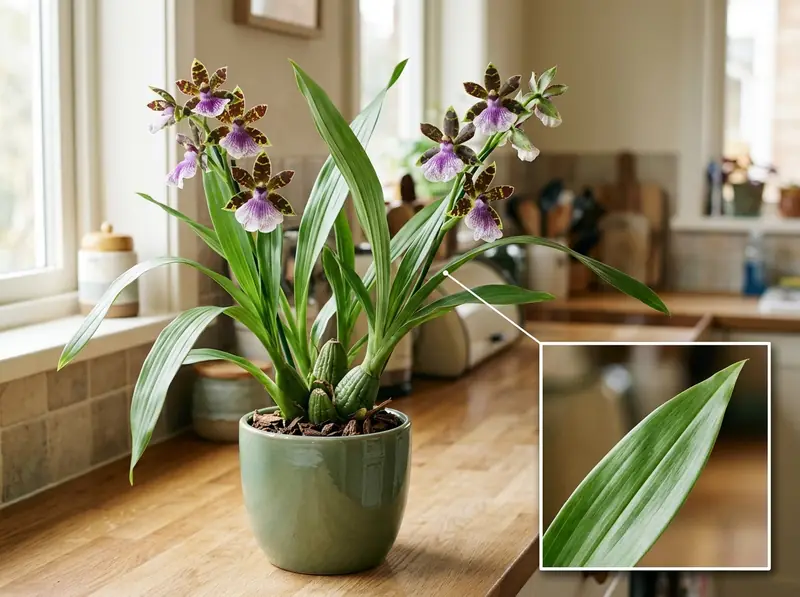 AI-generated
Zygo Orchid
Zygopetalum hybrids
- Bright, indirect light
- Moderate to moist watering
Pets: not yet checked AI-generated
 AI-generated