AI-generated image, not a photograph of this plant. Real plants look different depending on light, soil, temperature and age.
AsparagaceaeEnthusiast in stores
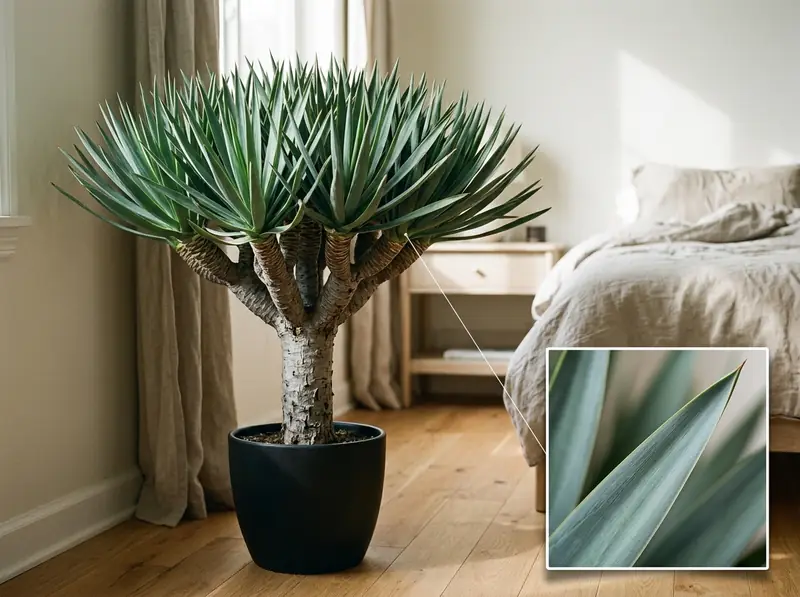
Socotra Dragon Tree
Dracaena cinnabari
The iconic umbrella-shaped dragon tree from Socotra island in Yemen, grown here as a very slow potted specimen with stiff, bluish rosettes of sword-shaped leaves. It needs full sun and dry feet. Rare and best for experienced growers.
Toxic to cats and dogs
💡
Saving is free with a KinClub account, and it works here and in the KinClub app. Sign up free
🪴 Care profile
Light
Direct sunLow → direct sun
Water
Let it dry outAbout every 21 days
Difficulty
Moderate to challengingTricky → easy
Coldest it tolerates
50°F
Humidity
Low
Mature size
Large to tree-sizeSmall → tree-size
Growth rate
Slow
How common
EnthusiastRare → everywhere
Plant family
Asparagaceae
🐾 Pets and toxicity
Toxic to cats
Keep away from cats. Call your vet or a pet poison helpline if a cat chews it.
Toxic to dogs
Keep away from dogs. Call your vet or a pet poison helpline if a dog chews it.
Needs full sun, with at least 4 to 6 hours of direct light, to keep its stiff, blue-green leaf rosettes. In dim rooms it weakens and stretches.
Watering
Water deeply only when the soil is dry for several days, about every 3 weeks in the growing season and monthly in winter. Water at the base and keep the leaf crown dry.
Soil
Use a very gritty cactus mix with pumice or coarse sand in a heavy, well-draining pot.
Feeding
Feed with a half-strength fertilizer once or twice in spring and summer.
Repotting
Repot every 3 to 4 years in spring; it grows very slowly and dislikes root disturbance.
Propagation
Mostly from seed, which is slow and tricky; stem cuttings are difficult. Buying a young plant is easier.
Common problems
Leaf and trunk rot from overwatering is the main killer. Use sharp drainage and water sparingly.
Brown leaf tips mean dry or salty conditions; use filtered water and water deeply but rarely.
Spider mites and mealybugs can infest the crown. Wipe leaves and treat with alcohol or soap.

 AI-generated
 AI-generated
 AI-generated
 AI-generated
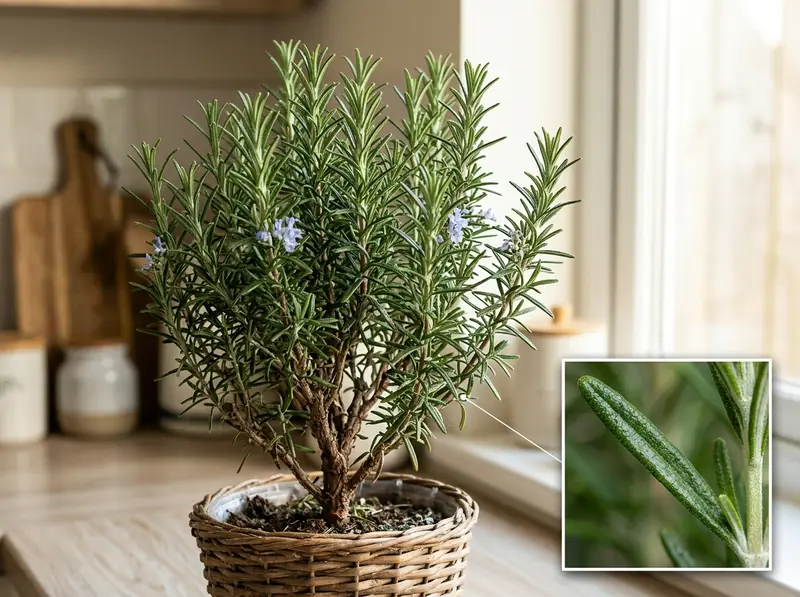 AI-generated