
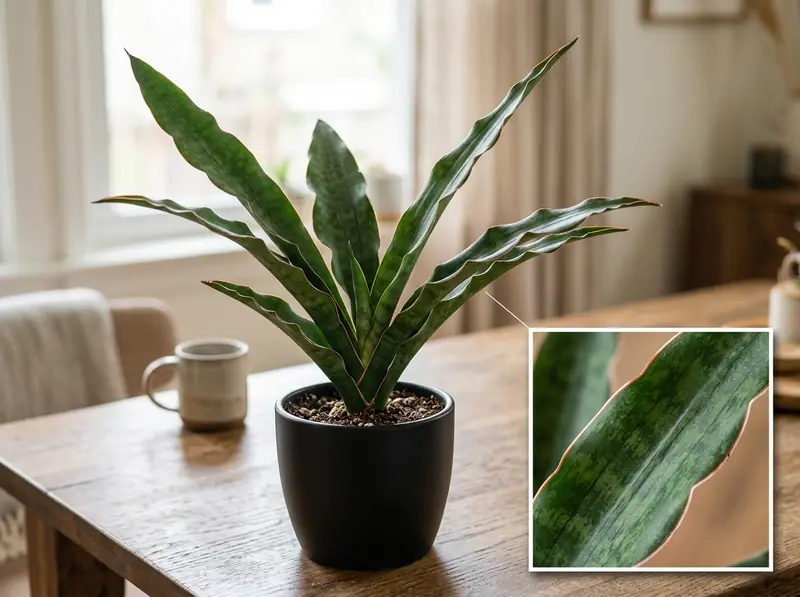
 AI-generated
Star Sansevieria
Dracaena kirkii
Star sansevieria is a compact, spiky relative of the snake plant with stiff cylindrical leaves that fan out like a star. It is nearly indestructible and does well on a sunny shelf with infrequent watering.
Saving is free with a KinClub account, and it works here and in the KinClub app. Sign up free
Care profile
- Light
- Bright, indirect lightLow → direct sun
- Water
- Let it dry outAbout every 21 days
- Difficulty
- EasyTricky → easy
- Coldest it tolerates
- 50°F
- Humidity
- Low
- Mature size
- MediumSmall → tree-size
- Growth rate
- Slow
- How common
- EnthusiastRare → everywhere
- Plant family
- Asparagaceae
Pets and toxicity
Toxic to cats
Keep away from cats. Call your vet or a pet poison helpline if a cat chews it.
Toxic to dogs
Keep away from dogs. Call your vet or a pet poison helpline if a dog chews it.
Source: ASPCA toxic and non-toxic plants. If a pet eats any houseplant, call your vet or an animal poison helpline.
How to care for Star Sansevieria
Light
Bright indirect light is best, with a couple of hours of gentle direct sun from an east window. It survives lower light but grows very slowly and loses its firm, upright shape.
Watering
Water thoroughly only when the soil has dried completely, roughly every 3 weeks in summer and every 5 to 6 weeks in winter. Empty any water that collects in the saucer.
Soil
A gritty cactus and succulent mix, or regular potting mix cut with about one-third perlite or coarse sand. Use an unglazed terracotta pot if you tend to overwater.
Feeding
Feed 2 or 3 times in the growing season with a diluted cactus fertilizer. It needs very little.
Repotting
Repot every 3 to 4 years, or when the roots crack the pot. Choose a pot only an inch or two wider.
Propagation
Divide the clump when repotting, keeping roots on each piece, or take leaf cuttings and let them callus a few days before planting. Leaf cuttings are slow, often 2 months or more.
Common problems
- Mushy leaf bases from overwatering: cut away rotted parts, repot into dry gritty mix, and hold off on water for a couple of weeks.
- Mealybugs hide in the leaf bases as white cottony tufts: dab them with rubbing alcohol on a swab.
- Cold drafts below 50 F cause watery, damaged patches: keep it away from cold windows in winter.
Similar plants
Same light needs and difficulty.
 AI-generated
 AI-generated
 AI-generated
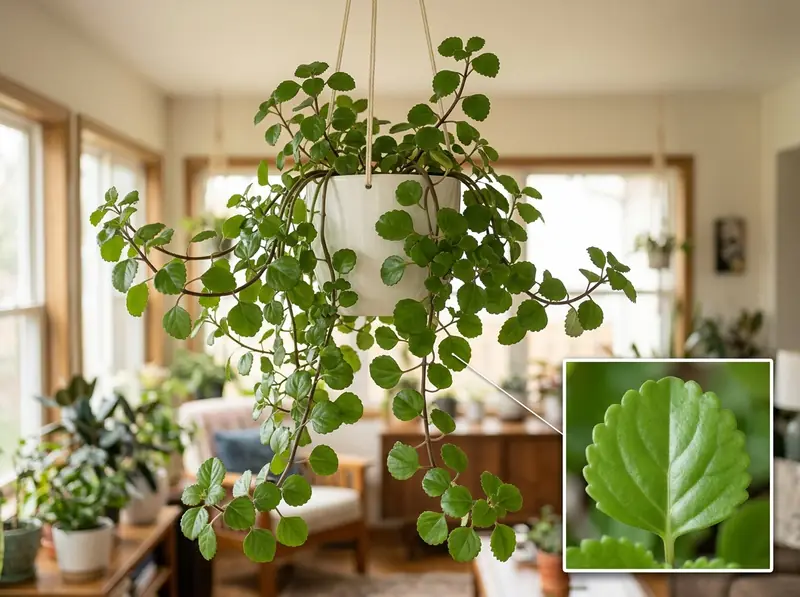
Chinese Money Plant
Pilea peperomioides
- Bright, indirect light
- Dry to moderate watering
Pets: not yet checked AI-generated
Christmas Cactus
Schlumbergera × buckleyi
- Bright, indirect light
- Moderate watering
Pets: not yet checked