
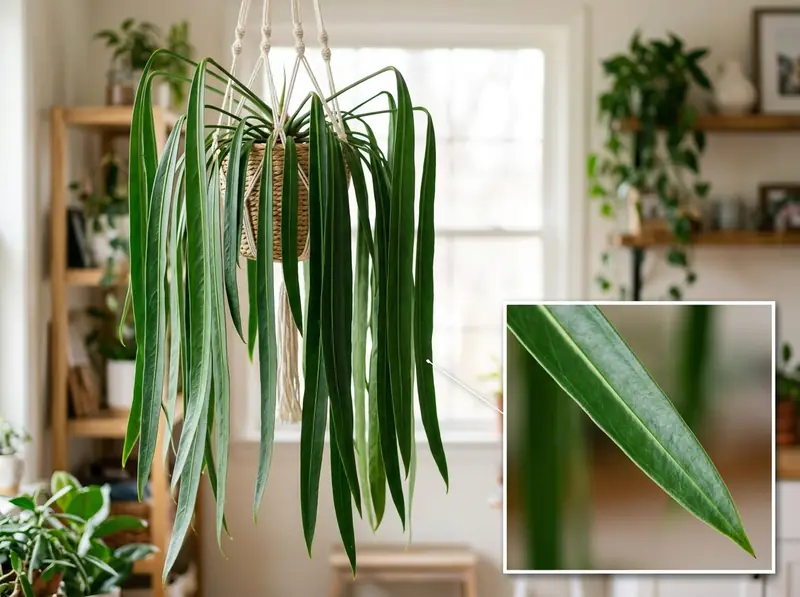
 AI-generated
Strap-Leaf Anthurium
Anthurium vittarifolium
A rare epiphytic anthurium with narrow, strap-like leaves that hang down 3 feet or more from a single plant. It looks dramatic in a hanging basket. It wants steady warmth, high humidity and an airy mix.
Saving is free with a KinClub account, and it works here and in the KinClub app. Sign up free
Care profile
- Light
- Bright, indirect lightLow → direct sun
- Water
- Moderate wateringAbout every 7 days
- Difficulty
- ModerateTricky → easy
- Coldest it tolerates
- 60°F
- Humidity
- High
- Mature size
- LargeSmall → tree-size
- Growth rate
- Moderate
- How common
- EnthusiastRare → everywhere
- Plant family
- Araceae
Pets and toxicity
Cats and dogs: not yet checked
Not yet checked against ASPCA — don't assume it's safe for pets.
No toxicity source on record for this plant yet. If a pet eats any houseplant, call your vet or an animal poison helpline.
How to care for Strap-Leaf Anthurium
Light
Bright, filtered light such as an east window or a few feet back from a south or west window. Direct midday sun scorches the long leaves. In a dim room it stops growing.
Watering
Water when the top inch or two of the chunky mix is dry, roughly weekly in summer and every 10 to 14 days in winter. Drench, drain fully, and never let the pot sit in water.
Soil
Use a very airy epiphyte mix: orchid bark, perlite, coco chips and a little peat or potting soil. Dense soil suffocates the roots.
Feeding
Feed with a half-strength balanced fertilizer every 3 to 4 weeks from spring to early fall, and skip it in winter.
Repotting
Repot only every 2 to 3 years when roots crowd the pot, in spring, into a pot just one size larger.
Propagation
Divide offsets with their own roots, or cut off a stem section with a few roots attached and pot it in moist sphagnum.
Common problems
- Brown leaf tips: the air is too dry or the mix stays too wet. Raise humidity to 60 percent or more and let the mix dry slightly between waterings.
- Yellow lower leaves: usually overwatering or poor drainage. Check roots and repot in fresh, airy mix.
- Sticky residue or cottony bits on leaf bases: mealybugs or scale. Wipe with alcohol on a cotton swab and repeat weekly.
Similar plants
Same light needs and difficulty.
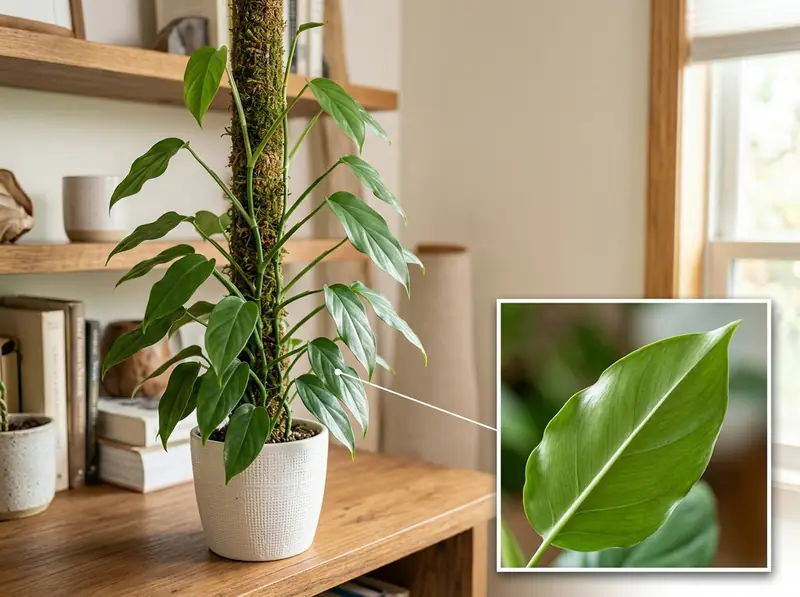 AI-generated
Zippelianum Amydrium
Amydrium zippelianum
- Bright, indirect light
- Moderate watering
Pets: not yet checked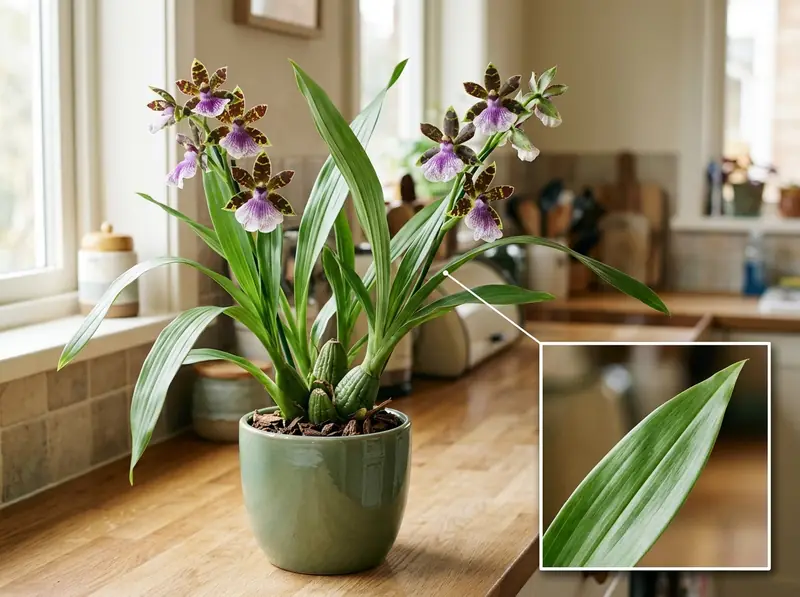 AI-generated
Zygo Orchid
Zygopetalum hybrids
- Bright, indirect light
- Moderate to moist watering
Pets: not yet checked AI-generated
 AI-generated