
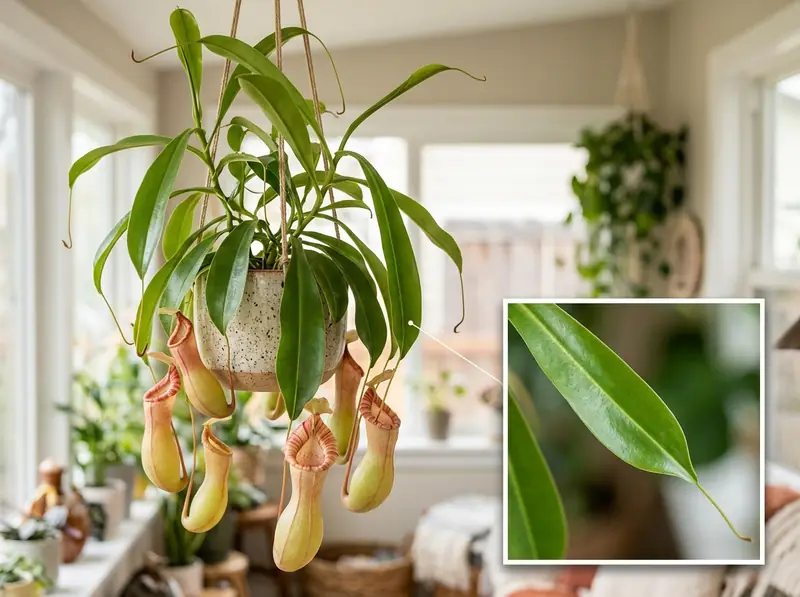
 AI-generated
Ventricosa Pitcher Plant
Nepenthes ventricosa
Nepenthes ventricosa is a highland tropical pitcher plant that makes plump, banded pitchers on the tips of its leaves. It copes with normal home temperatures better than many relatives, but it needs high humidity, bright light, and pure water. It is a rewarding plant for someone willing to meet those needs.
Saving is free with a KinClub account, and it works here and in the KinClub app. Sign up free
Care profile
- Light
- Bright, indirect lightLow → direct sun
- Water
- Keep moistAbout every 4 days
- Difficulty
- ModerateTricky → easy
- Coldest it tolerates
- 50°F
- Humidity
- High
- Mature size
- MediumSmall → tree-size
- Growth rate
- Moderate
- How common
- CommonRare → everywhere
- Plant family
- Nepenthaceae
Pets and toxicity
Cats and dogs: not yet checked
Not yet checked against ASPCA — don't assume it's safe for pets.
No toxicity source on record for this plant yet. If a pet eats any houseplant, call your vet or an animal poison helpline.
How to care for Ventricosa Pitcher Plant
Light
Give bright, indirect light, such as an east window or a spot a few feet back from a south or west window. Gentle morning sun is fine; a grow light for 12 hours a day also works well.
Watering
Keep the medium evenly damp, never dry, using only rainwater, distilled or reverse-osmosis water. In a typical home this means watering about every 3-5 days. A shallow tray of water under the pot is acceptable for a few days at a time.
Soil
Use a very airy, low-nutrient mix, such as 2 parts long-fibre sphagnum moss to 1 part perlite, or peat with perlite and orchid bark. Avoid ordinary potting soil and added fertilizer.
Feeding
Fertilizing is not needed. If the plant seems hungry, let pitchers catch an occasional insect, or mist leaves lightly with a quarter-strength orchid fertilizer once a month. Never fill pitchers with fertilizer.
Repotting
Repot every 1-2 years in spring, when the medium breaks down or roots fill the pot. Use a hanging basket or plastic or glazed pot with drainage holes, only one size larger.
Propagation
Take stem cuttings with 2-3 leaves in spring or summer, set them in damp sphagnum and keep them humid and bright. Rooting takes a few months and is not guaranteed. Growing from seed is slow.
Common problems
- Pitchers don't form: humidity is too low or light too weak. Raise humidity above 60% and move closer to bright light.
- Brown leaf tips: mineral build-up or dry air. Switch to pure water, flush the pot and raise humidity.
- Pitchers dry up: individual pitchers age out after several months, which is normal. Trim them once brown, and keep the plant producing new ones.
- Sticky pests such as mealybugs or aphids: wipe off with a damp cloth or rinse, and repeat weekly. Avoid oils and harsh sprays.
- Leaf yellowing and stalled growth: the roots may be too warm, too wet or stale. Check the medium, and repot in fresh moss if it smells sour.
Similar plants
Same light needs and difficulty.
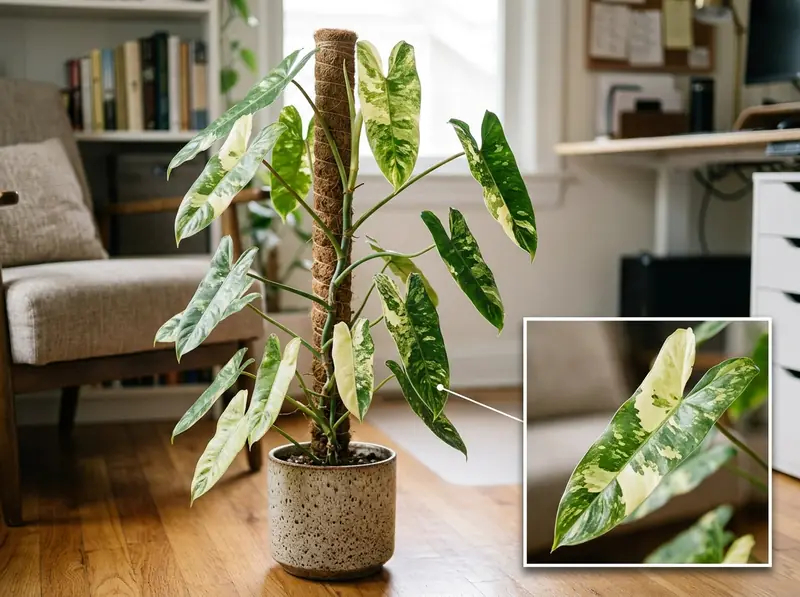 AI-generated
Ilsemanii Philodendron
Philodendron ilsemanii
- Bright, indirect light
- Moderate watering
Toxic to cats and dogs AI-generated
 AI-generated
 AI-generated