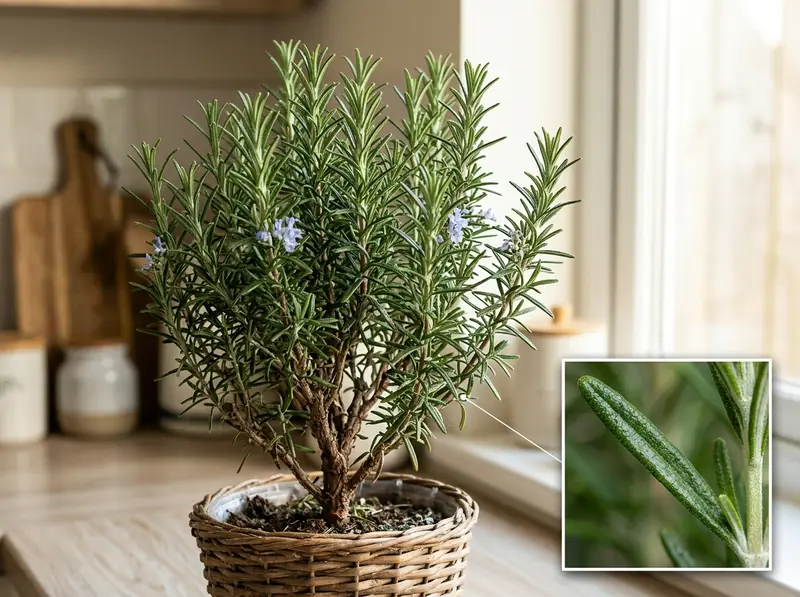
AI-generated image, not a photograph of this plant. Real plants look different depending on light, soil, temperature and age.
VitaceaeEnthusiast in stores
Wild Grape
Cyphostemma juttae
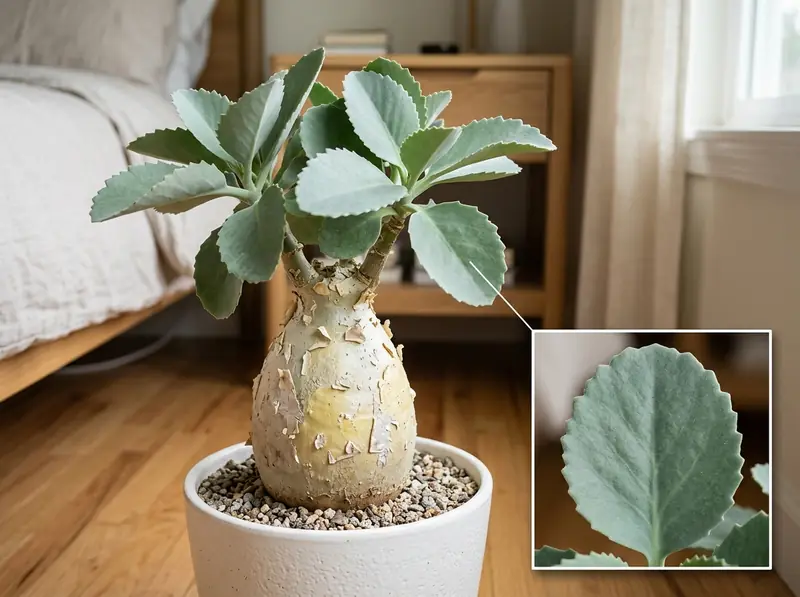
A rare Namibian succulent that forms a swollen, peeling, ivory-gray trunk with a crown of big gray-green leaves. It is a conversation piece, but needs full sun, sharp drainage and a dry winter rest. Not for beginners.
Pets: not yet checked
💡
Saving is free with a KinClub account, and it works here and in the KinClub app. Sign up free
🪴 Care profile
Light
Direct sunLow → direct sun
Water
Let it dry outAbout every 21 days
Difficulty
Moderate to challengingTricky → easy
Coldest it tolerates
45°F
Humidity
Low
Mature size
MediumSmall → tree-size
Growth rate
Slow
How common
EnthusiastRare → everywhere
Plant family
Vitaceae
🐾 Pets and toxicity
Cats and dogs: not yet checked
Not yet checked against ASPCA — don't assume it's safe for pets.
No toxicity source on record for this plant yet. If a pet eats any houseplant, call your vet or an animal poison helpline.
🌿 How to care for Wild Grape
Light
Needs full sun, ideally a south or west window with several hours of direct sun. It is native to the Namibian desert, and weak light leads to a thin trunk and dropped leaves.
Watering
Water deeply when the soil is fully dry, about every 3 weeks in the warm growing season. In winter it loses its leaves and rests: keep it almost completely dry until spring.
Soil
Use a coarse, gritty cactus mix with at least half pumice or grit in a heavy pot with drainage.
Feeding
Feed with a half-strength cactus fertilizer once a month when in leaf from spring to late summer; none while dormant.
Repotting
Repot every 3 to 4 years in spring as growth starts, with a pot only slightly wider than the trunk base.
Propagation
Propagation is slow and unreliable; stem cuttings root only with warmth and patience, and seed gives the best results.
Common problems
Trunk rot from overwatering, especially in winter. Keep it dry during dormancy and cut away rotten tissue.
Leaf drop in fall is normal. Resume watering only when new leaves emerge in spring.
Mealybugs and spider mites collect on leaves. Wipe with alcohol or soapy water.

 AI-generated
 AI-generated
 AI-generated
 AI-generated
 AI-generated