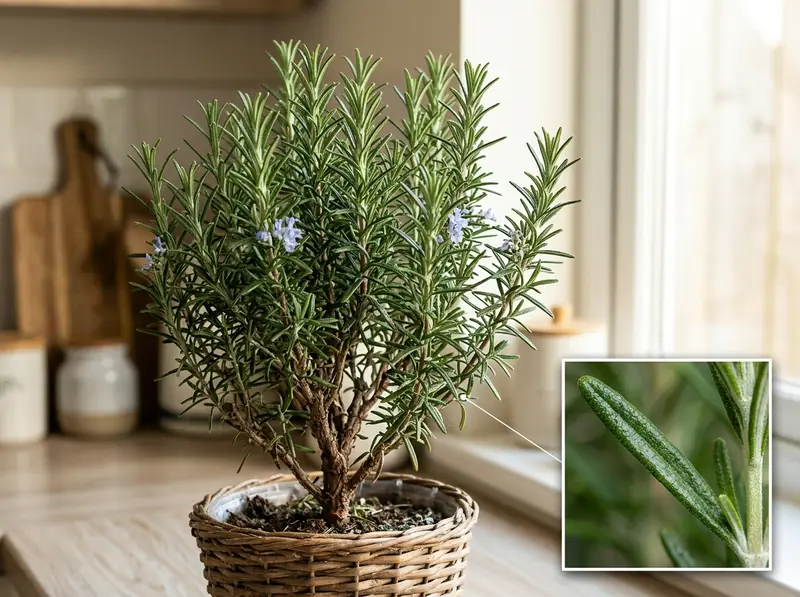
AI-generated image, not a photograph of this plant. Real plants look different depending on light, soil, temperature and age.
SarraceniaceaeEnthusiast in stores
Yellow Trumpet Pitcher Plant
Sarracenia flava
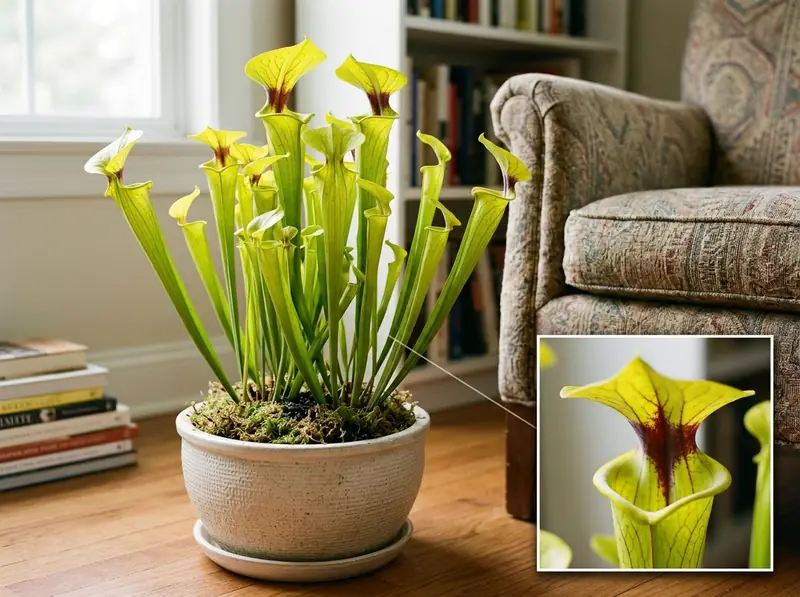
The yellow trumpet pitcher plant is a carnivorous bog plant with tall, trumpet-shaped yellow-green pitchers that trap insects. It needs full sun, constantly wet, nutrient-poor soil and pure water, and it must have a cool winter dormancy. It is best grown outdoors or in a very sunny spot, and is a challenge as a typical indoor plant.
Pets: not yet checked
💡
Saving is free with a KinClub account, and it works here and in the KinClub app. Sign up free
🪴 Care profile
Light
Direct sunLow → direct sun
Water
Keep moistAbout every 3 days
Difficulty
Moderate to challengingTricky → easy
Coldest it tolerates
30°F
Humidity
Medium to high
Mature size
MediumSmall → tree-size
Growth rate
Moderate
How common
EnthusiastRare → everywhere
Plant family
Sarraceniaceae
🐾 Pets and toxicity
Cats and dogs: not yet checked
Not yet checked against ASPCA — don't assume it's safe for pets.
No toxicity source on record for this plant yet. If a pet eats any houseplant, call your vet or an animal poison helpline.
🌿 How to care for Yellow Trumpet Pitcher Plant
Light
Needs at least 6 hours of direct sun daily; a south-facing window is the minimum indoors, and a spot outdoors in summer is best. Supplement with a strong full-spectrum grow light if the window is weaker.
Watering
Keep the pot standing in 1-2 inches of water in a tray during the growing season, topping it up as it drains. Use only rainwater, distilled or reverse-osmosis water; tap water minerals build up and kill the roots. In winter, keep the soil just damp, not standing in water.
Soil
Use a nutrient-poor mix of 1 part peat moss (unfertilized) to 1 part coarse sand or perlite. Never use regular potting soil or fertilizer-enriched mixes.
Feeding
Do not fertilize the soil. The plant catches its own insects; if indoors with few insects, drop one or two small insects into a few pitchers per month in summer.
Repotting
Repot every 2-3 years in early spring just before growth starts, into a pot 1-2 inches wider with fresh peat and perlite mix. Keep the rhizome at the soil surface and rinse off old soil gently.
Propagation
Divide the rhizome in early spring, making sure each piece has roots and a growth point. Seed needs cold stratification for 4-8 weeks and grows slowly.
Common problems
Pitchers browning in autumn is normal; trim dead ones when fully brown, and do not cut back healthy ones.
No winter dormancy leads to weak growth and decline; provide a cool spot of 35-50°F, such as an unheated garage with light or a cool porch.
Mineral buildup and dead roots from tap water; flush with distilled water and switch to rainwater.
Aphids or scale on pitchers and flower stalks; wipe off or rinse with water, and avoid harsh insecticides.

 AI-generated
 AI-generated
 AI-generated
 AI-generated
 AI-generated