
 AI-generated
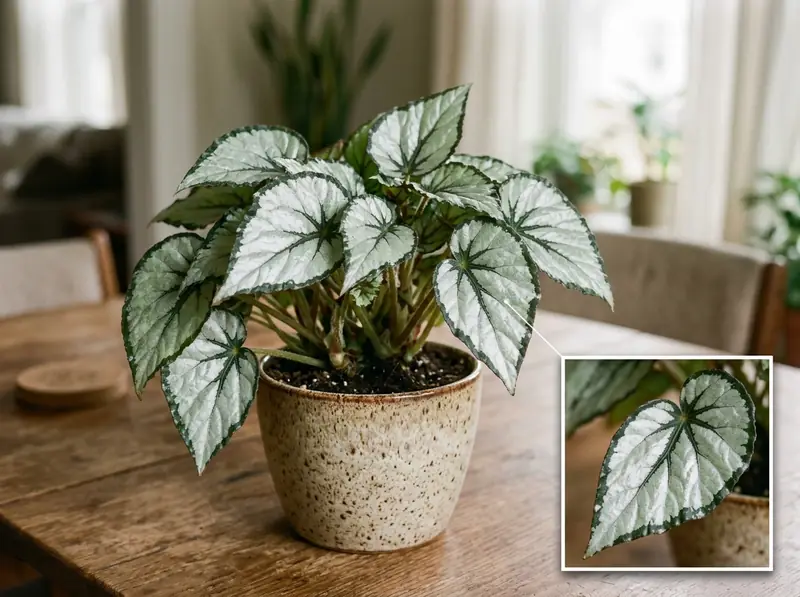
Looking Glass Begonia
Begonia 'Looking Glass'
A rex-type begonia grown for its shimmering silver leaves edged with dark green. It stays compact enough for a shelf or desk. Give it bright shade, even moisture and airflow to keep the foliage clean.
Saving is free with a KinClub account, and it works here and in the KinClub app. Sign up free
Care profile
- Light
- Bright, indirect lightLow → direct sun
- Water
- Moderate wateringAbout every 7 days
- Difficulty
- ModerateTricky → easy
- Coldest it tolerates
- 55°F
- Humidity
- Medium to high
- Mature size
- Small to mediumSmall → tree-size
- Growth rate
- Moderate to fast
- How common
- EnthusiastRare → everywhere
Pets and toxicity
Toxic to cats
Keep away from cats. Call your vet or a pet poison helpline if a cat chews it.
Toxic to dogs
Keep away from dogs. Call your vet or a pet poison helpline if a dog chews it.
Source: ASPCA toxic and non-toxic plants. If a pet eats any houseplant, call your vet or an animal poison helpline.
How to care for Looking Glass Begonia
Light
Bright indirect light such as an east window or a spot a few feet from a brighter one. Protect the leaves from direct afternoon sun, which scorches them. Rotate occasionally for even growth.
Watering
Water when the top inch of soil is dry, roughly weekly, and let the extra drain. Avoid wetting the leaves and keep the soil lightly moist rather than soggy.
Soil
Use a light, well-draining mix of peat or coco, perlite and a little bark. The pot must have drainage holes.
Feeding
Feed with a half-strength balanced fertilizer every 3 to 4 weeks during spring and summer, and cut back in winter.
Repotting
Begonias bloom and grow best slightly pot-bound. Repot every 1 to 2 years in spring into a pot one size larger.
Propagation
Root a leaf section with a vein, or a stem or rhizome cutting, in moist, airy mix under a clear cover in bright shade.
Common problems
- White powder on leaves: powdery mildew from stagnant air. Improve airflow, remove affected leaves and avoid wetting foliage.
- Leaf edges browning: dry air or inconsistent watering. Keep the soil evenly lightly moist and group the plant with others for humidity.
- Cottony clusters in leaf joints: mealybugs. Dab with alcohol on a cotton swab and repeat weekly.
Similar plants
Same light needs and difficulty.
 AI-generated
 AI-generated
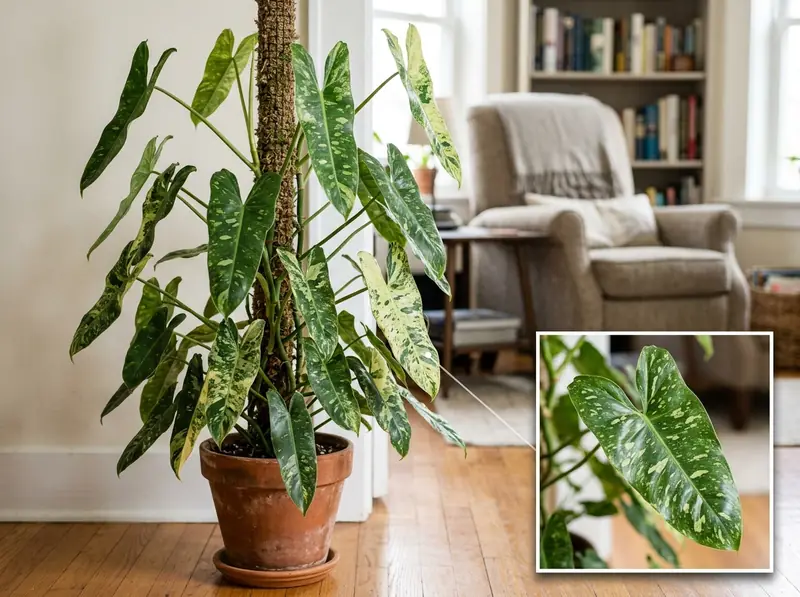
Paraiso Verde Philodendron
Philodendron 'Paraiso Verde'
- Bright, indirect light
- Moderate watering
Toxic to cats and dogs AI-generated
 AI-generated