
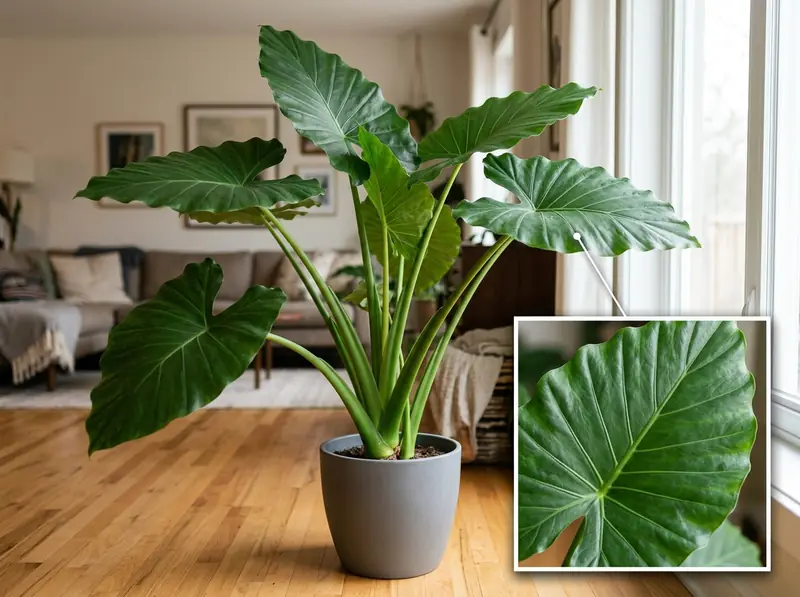
 AI-generated
Night-Scented Lily
Alocasia odora
Also known as Alocasia commutata, Alocasia subodorata, Alocasia tonkinensis
Night-scented lily is a tall, fast-growing Alocasia with huge arrow-shaped green leaves on thick upright stalks. It is a bold floor plant that needs space, steady warmth, and regular watering. Expect it to reach several feet indoors.
Saving is free with a KinClub account, and it works here and in the KinClub app. Sign up free
Care profile
- Light
- Bright, indirect lightLow → direct sun
- Water
- Moderate wateringAbout every 7 days
- Difficulty
- ModerateTricky → easy
- Coldest it tolerates
- 50°F
- Humidity
- Medium to high
- Mature size
- LargeSmall → tree-size
- Growth rate
- Fast
- How common
- EnthusiastRare → everywhere
- Plant family
- Araceae
Pets and toxicity
Toxic to cats
Keep away from cats. Call your vet or a pet poison helpline if a cat chews it.
Toxic to dogs
Keep away from dogs. Call your vet or a pet poison helpline if a dog chews it.
Source: ASPCA toxic and non-toxic plants. If a pet eats any houseplant, call your vet or an animal poison helpline.
How to care for Night-Scented Lily
Light
Bright indirect light suits it best, such as a spot a few feet back from an east or south window. A little morning sun is fine, but hot afternoon sun scorches the big leaves.
Watering
Water when the top 2 inches of soil are dry, roughly weekly in summer, then cut back to every 10 to 14 days in winter. Keep the soil lightly damp, never soggy, and empty the saucer.
Soil
Use a chunky, airy mix such as 2 parts potting soil with 1 part perlite and 1 part orchid bark.
Feeding
Feed monthly in spring and summer with a balanced fertilizer at half strength. Skip it in winter.
Repotting
Repot every 1 to 2 years in spring, going up one pot size, or divide the rhizome when it crowds the pot.
Propagation
Divide the rhizome in spring, or pot up the small corms and offsets that form at the roots.
Common problems
- Spider mites cause fine stippling and webbing under leaves; wipe the leaves and spray with insecticidal soap weekly.
- Yellowing lower leaves are normal as new ones unfurl, but many at once means the soil is too wet.
- Winter dormancy in cool rooms drops leaves; keep it above 60F and water sparingly until growth returns.
Similar plants
Same light needs and difficulty.
 AI-generated
 AI-generated
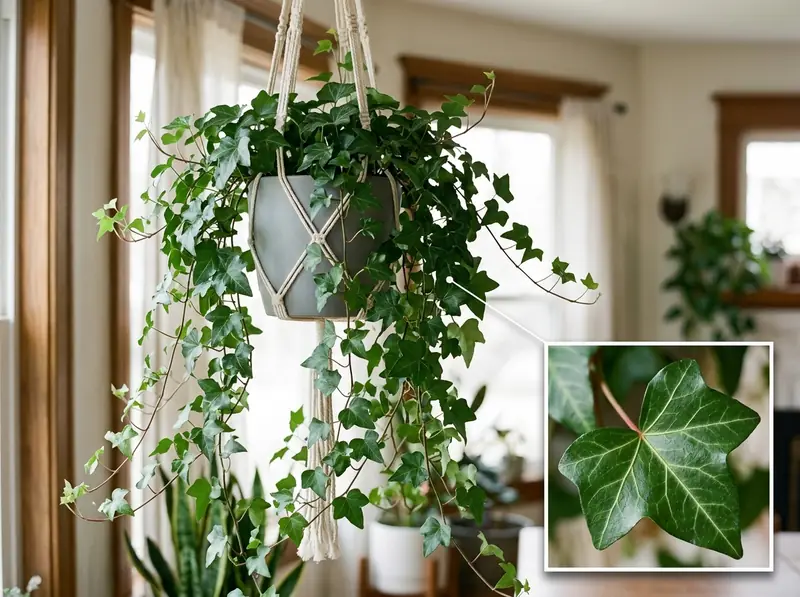 AI-generated
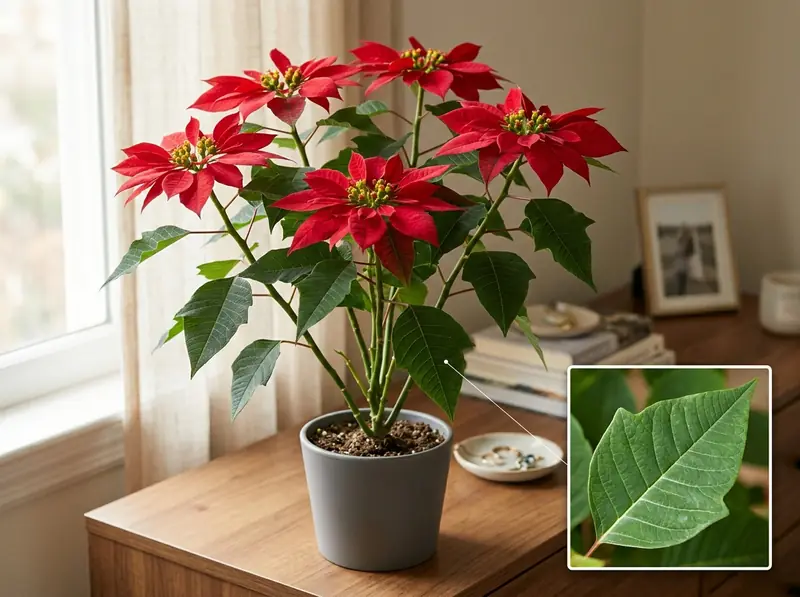 AI-generated