
 AI-generated
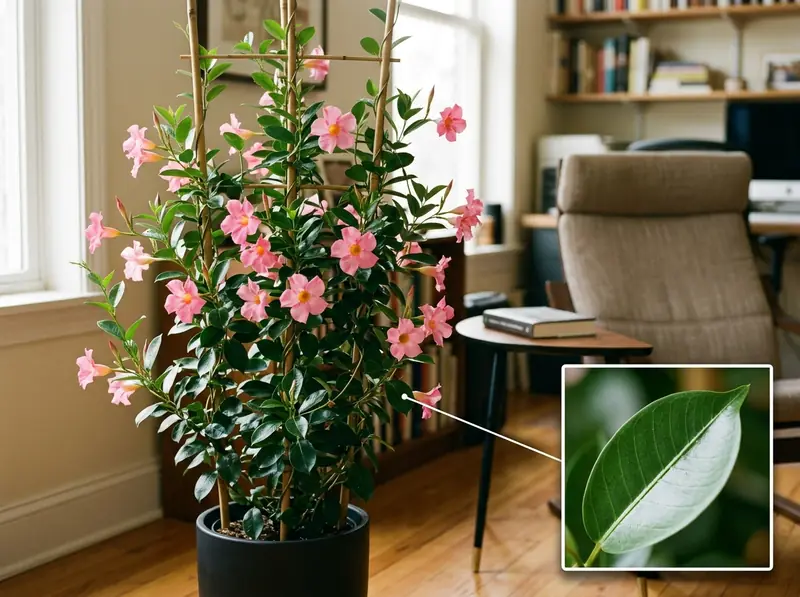
Rocktrumpet
Mandevilla sanderi
Rocktrumpet is a fast-growing twining vine with glossy leaves and big pink trumpet-shaped flowers through summer. It needs lots of bright light, a trellis and warm conditions. Water regularly in summer, then ease off in winter when growth slows.
Saving is free with a KinClub account, and it works here and in the KinClub app. Sign up free
Care profile
- Light
- Bright, indirect to direct sunLow → direct sun
- Water
- Moderate wateringAbout every 7 days
- Difficulty
- ModerateTricky → easy
- Coldest it tolerates
- 50°F
- Humidity
- Medium
- Mature size
- LargeSmall → tree-size
- Growth rate
- Fast
- How common
- CommonRare → everywhere
- Plant family
- Apocynaceae
Pets and toxicity
Cats and dogs: not yet checked
Not yet checked against ASPCA — don't assume it's safe for pets.
No toxicity source on record for this plant yet. If a pet eats any houseplant, call your vet or an animal poison helpline.
How to care for Rocktrumpet
Light
Give it as much bright light as possible, including 4 to 6 hours of direct morning sun, but shield it from hot midday sun through glass. A south or west window with a sheer curtain works well.
Watering
Water thoroughly when the top inch of soil is dry, roughly weekly in summer, and let excess drain away. Cut back to every 2 to 3 weeks in winter, when the plant rests and needs much less.
Soil
Use a well-draining potting mix with extra perlite or bark, about one part perlite to three parts mix. The pot must have drainage holes.
Feeding
From spring to late summer feed every 2 weeks with a high-phosphorus liquid fertilizer at half strength to encourage flowers. Stop feeding in fall and winter.
Repotting
Repot in spring every 1 to 2 years into a pot 2 inches wider, once roots fill the pot. Provide a trellis or hoop at the same time for the vines to climb.
Propagation
Take 4 to 6 inch softwood cuttings in late spring, dip in rooting hormone and set in moist perlite and peat. Keep warm and humid; rooting takes 4 to 8 weeks and is not always reliable.
Common problems
- Few or no flowers: usually too little light or too much nitrogen. Move to a brighter spot and switch to a high-phosphorus fertilizer.
- Yellow leaves and leaf drop: often overwatering or cold drafts. Let the soil dry more between waterings and keep it above 55°F.
- Webbing and speckled leaves: spider mites in dry air. Rinse the foliage, then spray with insecticidal soap weekly until clear.
- Winter leaf drop: normal as the plant rests. Water sparingly, keep it in a bright cool spot and prune in late winter.
Similar plants
Same light needs and difficulty.
 AI-generated
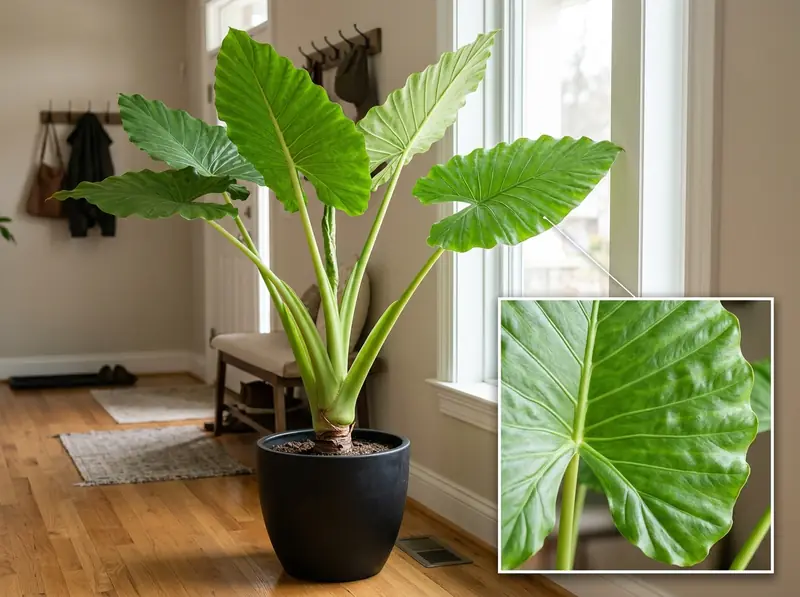
Giant Taro
Alocasia macrorrhizos
- Bright, indirect light
- Moderate to moist watering
Toxic to cats and dogs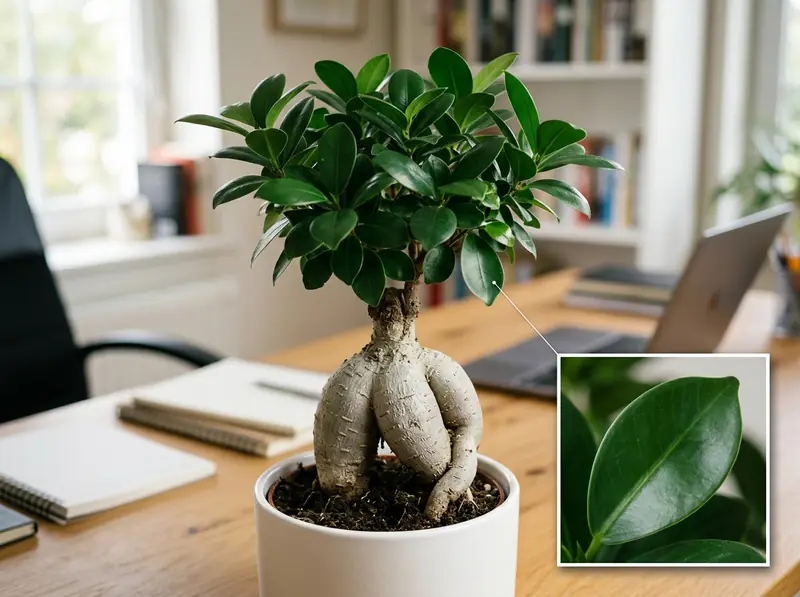 AI-generated
Ginseng Ficus
Ficus microcarpa 'Ginseng'
- Bright, indirect light
- Moderate watering
Toxic to cats and dogs AI-generated
 AI-generated