
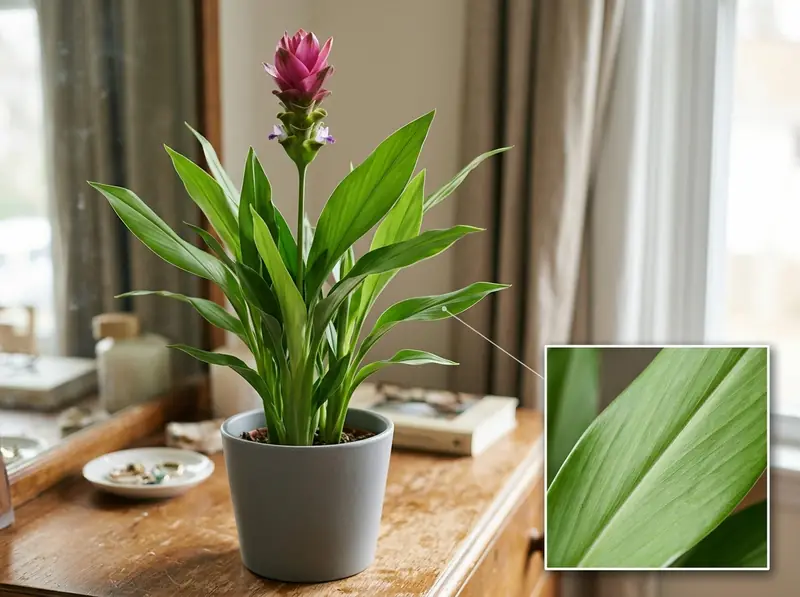
 AI-generated
Siam Tulip
Curcuma alismatifolia
Siam tulip is a tropical rhizome plant grown for its tulip-like pink or white bracts that appear in summer above broad green leaves. It likes warmth, humidity and even moisture while growing, then dies back and needs a dry, warm winter rest. Treat it as a seasonal plant that returns each spring.
Saving is free with a KinClub account, and it works here and in the KinClub app. Sign up free
Care profile
- Light
- Bright, indirect lightLow → direct sun
- Water
- Keep moistAbout every 5 days
- Difficulty
- ModerateTricky → easy
- Coldest it tolerates
- 55°F
- Humidity
- High
- Mature size
- MediumSmall → tree-size
- Growth rate
- Moderate
- How common
- CommonRare → everywhere
- Plant family
- Zingiberaceae
Pets and toxicity
Cats and dogs: not yet checked
Not yet checked against ASPCA — don't assume it's safe for pets.
No toxicity source on record for this plant yet. If a pet eats any houseplant, call your vet or an animal poison helpline.
How to care for Siam Tulip
Light
Give bright, indirect light, such as a spot a few feet from an east or south window. Gentle morning sun is fine, but shade it from hot midday sun.
Watering
Keep the soil evenly damp but never soggy while it is growing, usually every 4-6 days. Water less as leaves yellow in autumn, then stop during dormancy.
Soil
Use a rich, loose, well-draining potting mix, such as standard mix with about 25% perlite or coarse bark added. The pot must have drainage holes.
Feeding
Feed every 2-3 weeks with a balanced liquid fertilizer at half strength from when shoots emerge until flowering ends. Do not feed while it is dormant.
Repotting
Plant the rhizomes about 2 inches deep in spring, with 3-5 rhizomes in an 8-inch pot. Repot or divide every year or two when dormant, using fresh mix.
Propagation
Divide the tuberous rhizomes in spring as new growth begins. Make sure each piece has a few storage roots and at least one bud, and plant in warm, slightly moist mix.
Common problems
- Leaves yellow and die back in autumn: this is normal dormancy, so cut back the foliage and keep the rhizomes dry and warm.
- No flowers: usually caused by too little light or feeding, or rhizomes that were too small, so give brighter light and regular feed.
- Brown leaf edges: indicates dry air or irregular watering, so raise the humidity with a pebble tray or humidifier and water evenly.
- Rhizome rot: caused by cold, wet soil, so use a fast-draining mix and do not water until the shoots appear in spring.
Similar plants
Same light needs and difficulty.
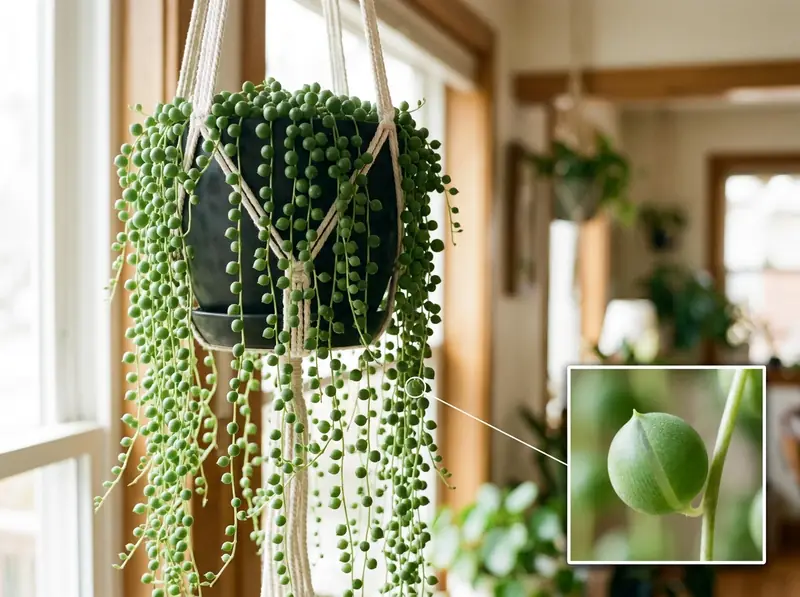 AI-generated
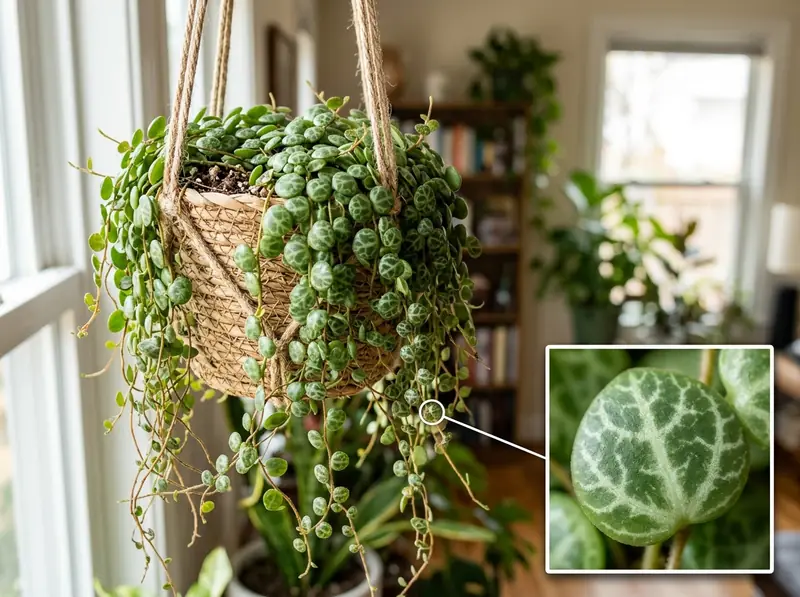 AI-generated
 AI-generated
 AI-generated